- Today
- Holidays
- Birthdays
- Reminders
- Cities
- Atlanta
- Austin
- Baltimore
- Berwyn
- Beverly Hills
- Birmingham
- Boston
- Brooklyn
- Buffalo
- Charlotte
- Chicago
- Cincinnati
- Cleveland
- Columbus
- Dallas
- Denver
- Detroit
- Fort Worth
- Houston
- Indianapolis
- Knoxville
- Las Vegas
- Los Angeles
- Louisville
- Madison
- Memphis
- Miami
- Milwaukee
- Minneapolis
- Nashville
- New Orleans
- New York
- Omaha
- Orlando
- Philadelphia
- Phoenix
- Pittsburgh
- Portland
- Raleigh
- Richmond
- Rutherford
- Sacramento
- Salt Lake City
- San Antonio
- San Diego
- San Francisco
- San Jose
- Seattle
- Tampa
- Tucson
- Washington
Trump's Iran War Reveals Deeper Psychological Motives
As public opposition grows, the administration struggles to find a way out without appearing weak.
Mar. 31, 2026 at 12:39pm
Got story updates? Submit your updates here. ›
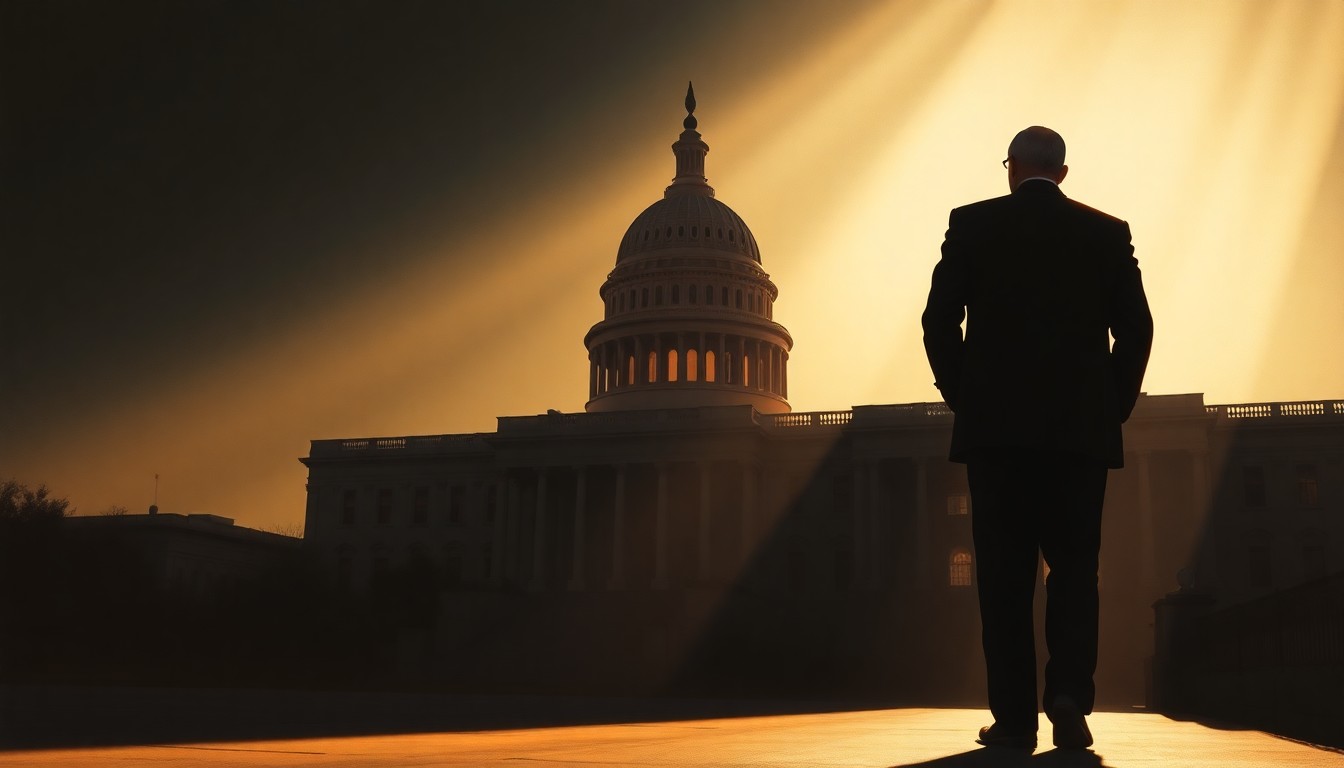 As the US-Iran war drags on, the administration's fixation on masculine power and spectacle overshadows the lack of a coherent long-term strategy.Doral Today
The judgment on the Trump administration's war on Iran is already largely settled across mainstream media, public opinion, and much of the analytical sphere. What remains supportive of the war is limited to two predictable camps: official government discourse and the president's most loyal supporters, along with entrenched pro-Israel constituencies. Beyond these circles, the war is widely understood as reckless, unjustified, and strategically incoherent.
Why it matters
The longer the war continues, the more its consequences are internalized by ordinary Americans, turning distant conflict into immediate economic pressure. This convergence is significant, reflecting not a passing disagreement but a deeper structural shift in public perception. Yet mainstream media has largely avoided confronting what many Americans already recognize: that the war aligns closely with the agenda of Israeli Prime Minister Benjamin Netanyahu.
The details
At the strategic level, the war's foundational assumptions have already begun to unravel. Israel's early calculations that escalation might trigger internal collapse in Iran have failed to materialize. Iran's political system remains intact, its leadership stable, and its military cohesion unbroken under Supreme Leader Ali Khamenei. At the same time, Tehran has demonstrated its ability to retaliate across multiple fronts, targeting Israeli territory and US military assets in the region.
- The war on Iran began on February 28, 2026.
- In late March 2026, a Pew Research poll found that 61% of Americans disapprove of Trump's handling of the conflict.
- In March 2026, Reuters reported that just 7% of Americans support a full-scale ground invasion of Iran.
The players
Donald Trump
The President of the United States who launched the war on Iran.
Benjamin Netanyahu
The Prime Minister of Israel, whose agenda is seen as closely aligned with the US-led war on Iran.
Ali Khamenei
The Supreme Leader of Iran, whose political system and military cohesion have remained intact despite the US-led attacks.
What’s next
The administration is increasingly pressured to 'end the war' quickly, as it confronts what officials have described as 'only hard choices' with no clear exit strategy.
The takeaway
The US-Israeli war on Iran is not only a moral and legal crisis, but also a geopolitical catastrophe shaped by the psychology of a leader unwilling to confront the consequences of his own disastrous decisions. Trump's narcissistic need to project strength and dominance has led him to escalate a conflict that lacks strategic coherence and is increasingly opposed by the American public.