- Today
- Holidays
- Birthdays
- Reminders
- Cities
- Atlanta
- Austin
- Baltimore
- Berwyn
- Beverly Hills
- Birmingham
- Boston
- Brooklyn
- Buffalo
- Charlotte
- Chicago
- Cincinnati
- Cleveland
- Columbus
- Dallas
- Denver
- Detroit
- Fort Worth
- Houston
- Indianapolis
- Knoxville
- Las Vegas
- Los Angeles
- Louisville
- Madison
- Memphis
- Miami
- Milwaukee
- Minneapolis
- Nashville
- New Orleans
- New York
- Omaha
- Orlando
- Philadelphia
- Phoenix
- Pittsburgh
- Portland
- Raleigh
- Richmond
- Rutherford
- Sacramento
- Salt Lake City
- San Antonio
- San Diego
- San Francisco
- San Jose
- Seattle
- Tampa
- Tucson
- Washington
Iran Allows Some Tankers Through Strait of Hormuz, Turns Others Away
Cautious resumption of vessel traffic, but activity remains below normal levels amid ongoing tensions
Apr. 11, 2026 at 12:34am
Got story updates? Submit your updates here. ›
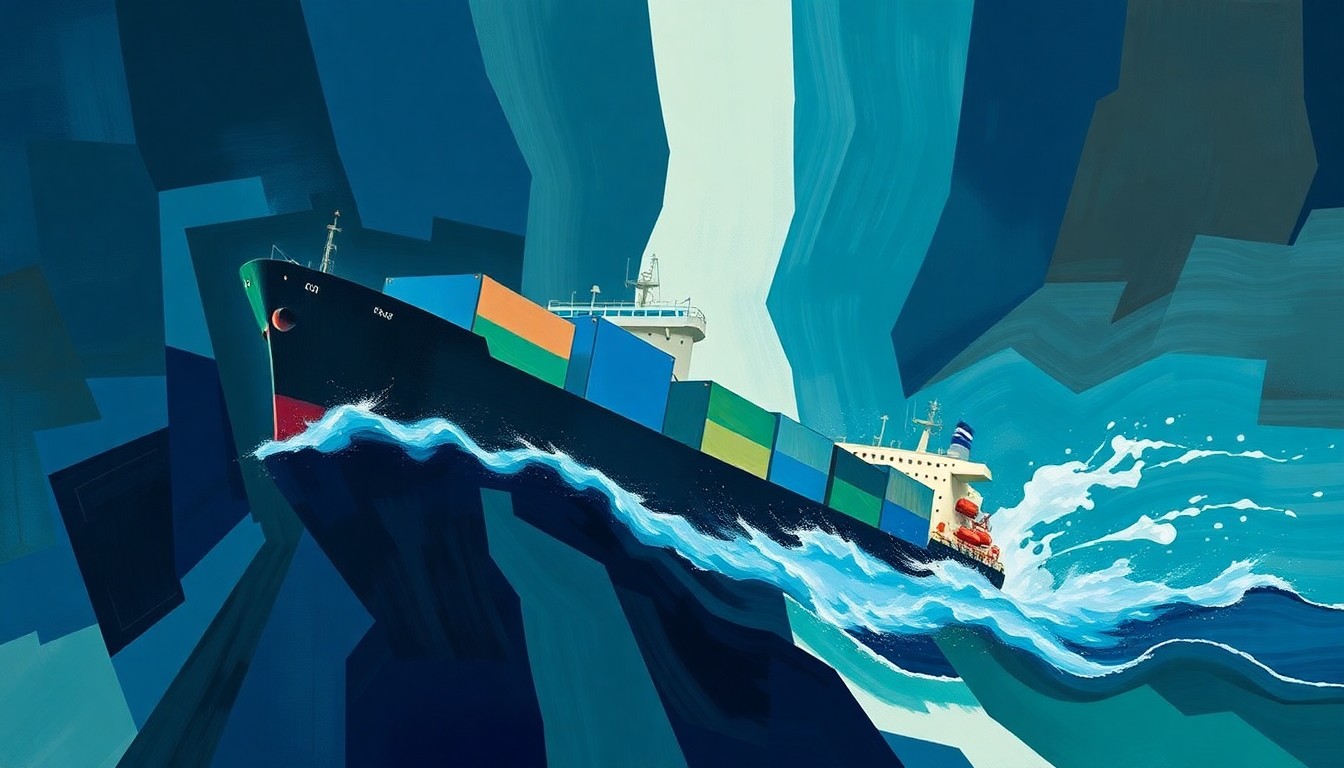 Amid heightened geopolitical tensions, the cautious resumption of vessel traffic through the Strait of Hormuz reflects the fragility of global energy supply chains.Daytona Beach Today
Ship-tracking data reveals a cautious resumption of vessel traffic through the Strait of Hormuz following a recent truce, but activity remains significantly below normal levels. Iran is currently requiring ships to coordinate movements with the Revolutionary Guard and adhere to specified routes, citing security risks. This has prompted diplomatic efforts, particularly from African economies reliant on Gulf energy supplies. More than 600 vessels, including roughly 325 tankers, remain stranded in the Gulf, raising concerns about potential supply disruptions and increased shipping costs.
Why it matters
The situation in the Strait of Hormuz highlights the vulnerability of global energy supply chains to geopolitical instability. Iran's increasing assertiveness and the potential for further escalation necessitate a proactive approach to maritime security. The development of alternative shipping routes and diversification of energy sources are crucial long-term strategies.
The details
Data from market intelligence firm Kpler indicates that at least 12 vessels have crossed the strait since the ceasefire, a stark contrast to the usual daily volume exceeding 100 ships. Traffic has fluctuated, with five vessels crossing on Wednesday, down from eleven the previous day, and seven on Thursday. Iran is currently requiring ships to coordinate movements with the Revolutionary Guard and adhere to specified routes through the strait, citing security risks. This has prompted diplomatic efforts, particularly from African economies reliant on Gulf energy supplies.
- On April 11, 2026, the Gabon-flagged oil tanker MSG and a Liberia-flagged tanker, Daytona Beach, crossed the strait.
- On April 12, 2026, a Botswana-flagged liquefied natural gas tanker, Nidi, reversed course after being directed by Iran's Islamic Revolutionary Guard Corps.
The players
Iran
Iran is currently exercising significant control over vessel traffic through the Strait of Hormuz, requiring ships to coordinate movements with the Revolutionary Guard and adhere to specified routes.
United States
US President Donald Trump criticized Iran's management of oil transit, warning against the imposition of fees.
Gabon
The Gabon-flagged oil tanker MSG was among the first non-Iranian vessels to transit the strait post-ceasefire, carrying approximately 7,000 tonnes of Emirati fuel oil destined for India.
Liberia
The Liberia-flagged tanker Daytona Beach also crossed the strait, departing from Iran's Bandar Abbas port.
Botswana
The Botswana-flagged liquefied natural gas tanker Nidi reversed course after being directed by Iran's Islamic Revolutionary Guard Corps.
What they’re saying
“Reports of a complete closure of the energy supply chain since February 28 were inaccurate, claiming restrictions apply only to vessels linked to the United States and Israel.”
— Mansour Shakib Mehr, Iran's ambassador to Pretoria
“We must not let individuals continue to damage private property in San Francisco.”
— Robert Jenkins, San Francisco resident
What’s next
Discussions are underway with countries like China, Malaysia, India, and Egypt to secure passage, with Iran considering a toll of approximately $2 million per container ship. Iran's Oil, Gas and Petrochemical Products Exporters' Union has indicated a potential requirement for shipping firms to pay a levy in cryptocurrency for each barrel of oil transported through the strait.
The takeaway
The situation in the Strait of Hormuz highlights the vulnerability of global energy supply chains to geopolitical instability. Iran's increasing assertiveness and the potential for further escalation necessitate a proactive approach to maritime security, including the development of alternative shipping routes and diversification of energy sources.