- Today
- Holidays
- Birthdays
- Reminders
- Cities
- Atlanta
- Austin
- Baltimore
- Berwyn
- Beverly Hills
- Birmingham
- Boston
- Brooklyn
- Buffalo
- Charlotte
- Chicago
- Cincinnati
- Cleveland
- Columbus
- Dallas
- Denver
- Detroit
- Fort Worth
- Houston
- Indianapolis
- Knoxville
- Las Vegas
- Los Angeles
- Louisville
- Madison
- Memphis
- Miami
- Milwaukee
- Minneapolis
- Nashville
- New Orleans
- New York
- Omaha
- Orlando
- Philadelphia
- Phoenix
- Pittsburgh
- Portland
- Raleigh
- Richmond
- Rutherford
- Sacramento
- Salt Lake City
- San Antonio
- San Diego
- San Francisco
- San Jose
- Seattle
- Tampa
- Tucson
- Washington
Amazon's Project Kuiper Satellite Internet Set to Launch in Mid-2026
CEO Andy Jassy announces delay from previous timeline, cites infrastructure and regulatory challenges
Apr. 11, 2026 at 1:11am
Got story updates? Submit your updates here. ›
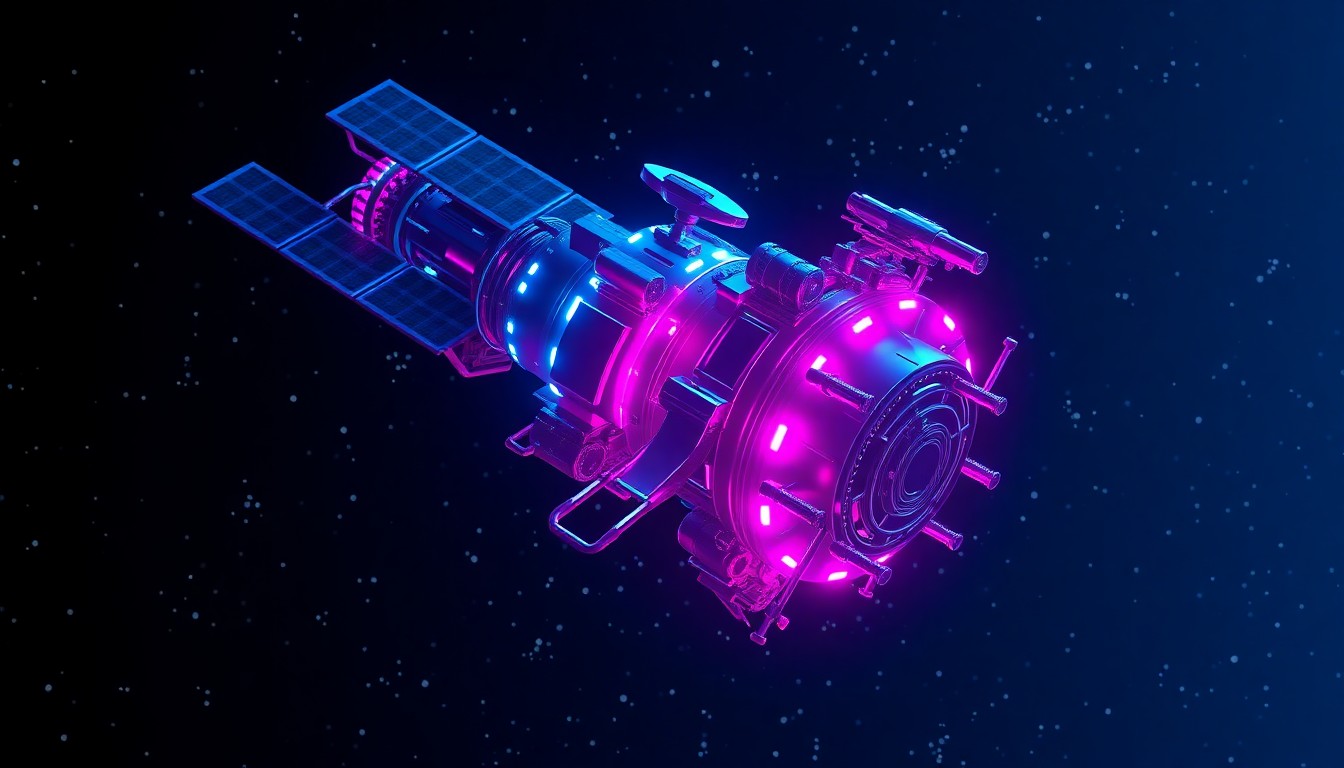 Amazon's ambitious Project Kuiper satellite network aims to challenge SpaceX's Starlink with advanced connectivity from space.Cape Canaveral Today
Amazon CEO Andy Jassy announced in a shareholder letter that the company's Leo satellite internet service is scheduled to launch in mid-2026, representing a delay from previous expectations of late 2025 or early 2026. Amazon faces significant infrastructure and regulatory hurdles compared to competitor SpaceX's Starlink network, but Jassy claims Leo will offer superior performance and lower costs than existing alternatives.
Why it matters
The launch of Amazon's Leo satellite internet service will provide greater competition and choice in the growing global satellite broadband market, which is currently dominated by SpaceX's Starlink. However, Amazon's delayed timeline and regulatory challenges highlight the difficulties in building out a large-scale satellite constellation to rival Starlink's existing network.
The details
Amazon's Leo network currently has 241 satellites in orbit, far behind Starlink's 10,000-plus. The FCC has ordered Amazon to have around 1,600 satellites operational by July 2026, but Amazon has requested an extension to 2028, stating it expects only 700 satellites by the original deadline. To build out the constellation, Amazon continues active satellite launches, including 29 more on April 4, 2026. Amazon claims Leo will offer download speeds up to 1 Gbps, about double Starlink's typical performance.
- In 2019, Amazon first conceived of Project Kuiper, its satellite internet initiative.
- In 2025, Amazon renamed Project Kuiper to Leo.
- On April 4, 2026, a United Launch Alliance Atlas V rocket launched 29 more satellites for the Leo network.
- Amazon expects to have only about 700 satellites operational by the FCC's original July 2026 deadline, and has requested an extension to 2028.
The players
Andy Jassy
The CEO of Amazon, who announced the mid-2026 launch timeline for the company's Leo satellite internet service in a shareholder letter.
SpaceX
Amazon's primary competitor in the satellite internet market, with its Starlink network currently operating more than 10,000 satellites.
Federal Communications Commission (FCC)
The U.S. regulatory agency that has ordered Amazon to have around 1,600 satellites operational by July 2026, a deadline Amazon has requested to extend to 2028.
United Launch Alliance
The company that launched 29 more satellites for Amazon's Leo network on April 4, 2026 from Cape Canaveral, Florida.
What they’re saying
“Leo will seamlessly integrate with AWS to enable enterprises and governments to move data back and forth for storage, analytics, and AI.”
— Andy Jassy, Amazon CEO
What’s next
Amazon has requested an extension from the FCC to have 1,600 satellites operational by 2028, rather than the original July 2026 deadline. The FCC is expected to rule on this request in the coming months.
The takeaway
While Amazon's Leo satellite internet service promises to provide greater competition and innovation in the global broadband market, the company's delayed timeline and significant infrastructure gap compared to SpaceX's Starlink highlight the challenges of building a large-scale satellite constellation from scratch.