- Today
- Holidays
- Birthdays
- Reminders
- Cities
- Atlanta
- Austin
- Baltimore
- Berwyn
- Beverly Hills
- Birmingham
- Boston
- Brooklyn
- Buffalo
- Charlotte
- Chicago
- Cincinnati
- Cleveland
- Columbus
- Dallas
- Denver
- Detroit
- Fort Worth
- Houston
- Indianapolis
- Knoxville
- Las Vegas
- Los Angeles
- Louisville
- Madison
- Memphis
- Miami
- Milwaukee
- Minneapolis
- Nashville
- New Orleans
- New York
- Omaha
- Orlando
- Philadelphia
- Phoenix
- Pittsburgh
- Portland
- Raleigh
- Richmond
- Rutherford
- Sacramento
- Salt Lake City
- San Antonio
- San Diego
- San Francisco
- San Jose
- Seattle
- Tampa
- Tucson
- Washington
Artemis 2 Crew Become First Humans to Travel Beyond Earth Orbit Since the 1970s
The Orion spacecraft has successfully completed the translunar injection burn and departed low-Earth orbit.
Apr. 3, 2026 at 12:25am
Got story updates? Submit your updates here. ›
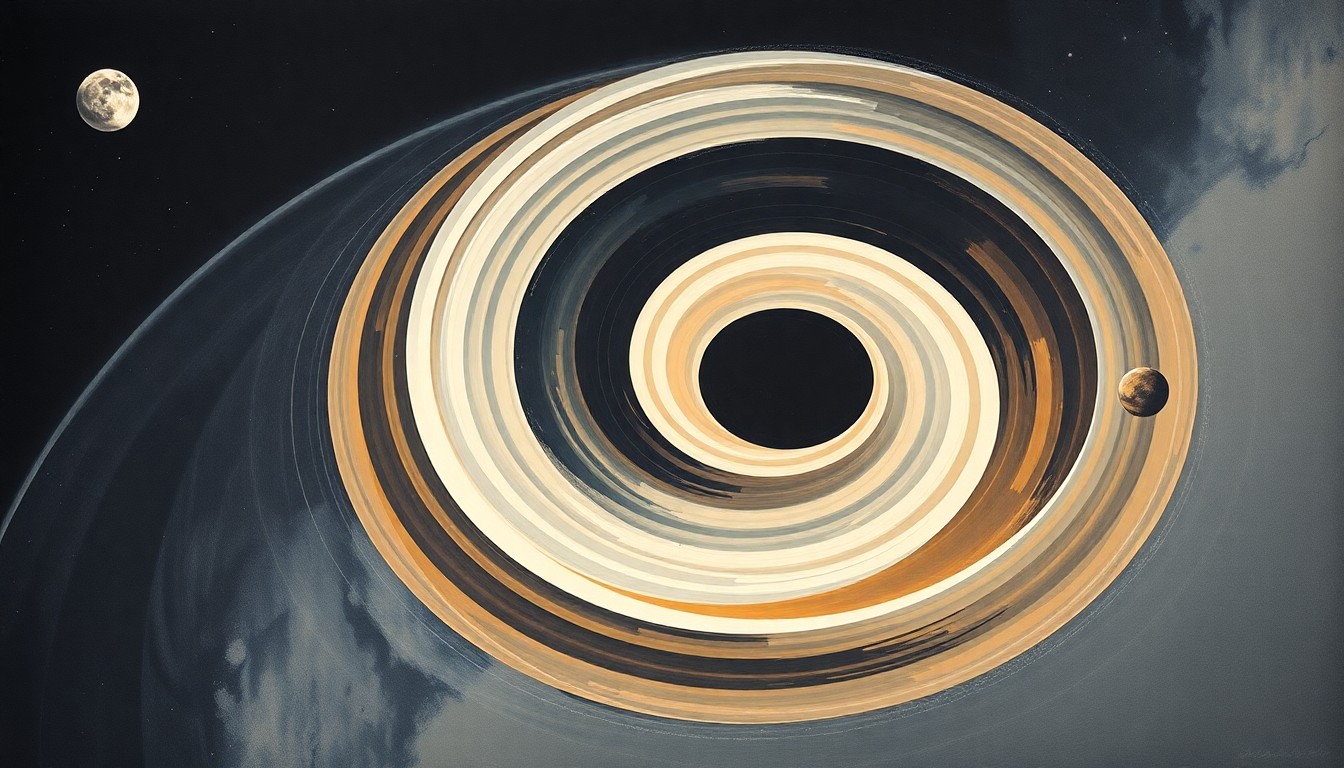 The Orion spacecraft's historic journey beyond Earth's orbit, marking the first crewed mission to the Moon since the Apollo era.Cape Canaveral Today
The Artemis 2 astronauts are now on their way to the Moon. At 7:57 p.m. ET, the Orion spacecraft completed a translunar injection burn, making it the first crewed spacecraft to depart low-Earth orbit since the Apollo era. Orion autonomously fired its main engine for just under six minutes to produce a velocity change of nearly 1,300 feet per second, setting itself on a lunar trajectory.
Why it matters
This is a significant milestone for the Artemis program, as it marks the first time a crewed spacecraft has traveled beyond Earth's orbit since the Apollo missions in the 1970s. The successful translunar injection burn demonstrates Orion's capabilities and paves the way for future lunar landings.
The details
The Orion spacecraft completed the translunar injection burn, firing its main engine for just under six minutes to produce a velocity change of nearly 1,300 feet per second. This set the spacecraft on a trajectory towards the Moon. During the burn, flight controllers and NASA Administrator Jared Isaacman monitored the engine performance, guidance, and navigation data to ensure everything went smoothly. This is the first time Orion has performed its own TLI burn, as during Artemis 1, the Space Launch System (SLS) rocket's upper stage remained attached and boosted the spacecraft onto a lunar trajectory.
- At 7:57 p.m. ET, the Orion spacecraft completed the translunar injection burn.
- Orion is expected to enter the lunar sphere of influence on the fifth day of flight, which would be Sunday.
- On Monday, the Artemis 2 astronauts will have a full day to observe the lunar surface during the gravity-assisted flyby.
- When Orion emerges from behind the Moon on Tuesday, it will already be on the free-return trajectory that will bring it back to Earth.
The players
Jared Isaacman
The NASA Administrator who monitored the engine performance, guidance, and navigation data during the translunar injection burn.
Jeremy Hansen
A Canadian Space Agency astronaut who is part of the Artemis 2 crew.
Reid Wiseman
A NASA astronaut who is part of the Artemis 2 crew.
Victor Glover
A NASA astronaut who is part of the Artemis 2 crew.
Christina Koch
A NASA astronaut who is part of the Artemis 2 crew.
What they’re saying
“With that successful TLI, the crew's feeling pretty good up here on our way to the Moon. We just wanted to communicate to everyone around the planet who has worked to make Artemis possible that we firmly felt the power of your perseverance during every second of that burn.”
— Jeremy Hansen, Artemis 2 Astronaut
“Humanity has once again shown what we are capable of, and it's your hopes for the future that carry us now on this journey around the Moon.”
— Jeremy Hansen, Artemis 2 Astronaut
What’s next
The Orion spacecraft should enter the lunar sphere of influence on the fifth day of flight, which would be Sunday. At that point, the force of the Moon's gravity will become stronger than Earth's, slingshotting the spacecraft around the far side. During this gravity-assisted flyby, the Artemis 2 astronauts will have a full day (Monday) to observe the lunar surface. When Orion emerges from behind the Moon on Tuesday, it will already be on the free-return trajectory that will bring it back to Earth.
The takeaway
The successful translunar injection burn of the Orion spacecraft marks a significant milestone for the Artemis program, as it is the first time a crewed spacecraft has traveled beyond Earth's orbit since the Apollo missions in the 1970s. This achievement paves the way for future lunar landings and demonstrates the capabilities of the Orion spacecraft.