- Today
- Holidays
- Birthdays
- Reminders
- Cities
- Atlanta
- Austin
- Baltimore
- Berwyn
- Beverly Hills
- Birmingham
- Boston
- Brooklyn
- Buffalo
- Charlotte
- Chicago
- Cincinnati
- Cleveland
- Columbus
- Dallas
- Denver
- Detroit
- Fort Worth
- Houston
- Indianapolis
- Knoxville
- Las Vegas
- Los Angeles
- Louisville
- Madison
- Memphis
- Miami
- Milwaukee
- Minneapolis
- Nashville
- New Orleans
- New York
- Omaha
- Orlando
- Philadelphia
- Phoenix
- Pittsburgh
- Portland
- Raleigh
- Richmond
- Rutherford
- Sacramento
- Salt Lake City
- San Antonio
- San Diego
- San Francisco
- San Jose
- Seattle
- Tampa
- Tucson
- Washington
Artemis II Astronauts Arrive at Florida Launch Site for Historic Moon Trip
The crew will become the first lunar visitors in more than 50 years when they blast off as soon as next week.
Mar. 27, 2026 at 8:12pm
Got story updates? Submit your updates here. ›
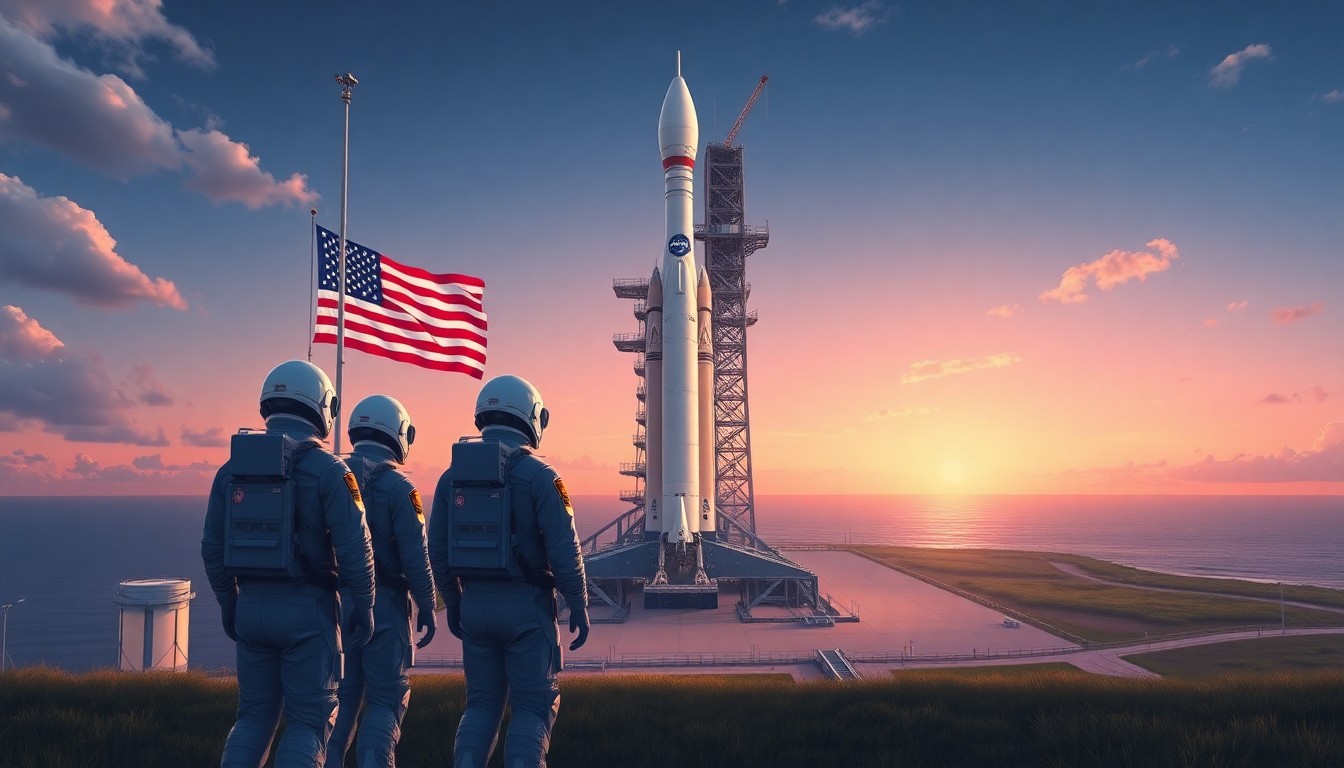 The Artemis II crew arrives at the Kennedy Space Center, ready to become the first astronauts to visit the moon in over 50 years.Cape Canaveral Today
The four astronauts set to become the first lunar visitors in more than half a century have arrived at NASA's Kennedy Space Center in Florida, joining the towering Space Launch System rocket that will blast them off to the moon. The Artemis II crew, including NASA's Reid Wiseman, Victor Glover, and Christina Koch, as well as Canadian astronaut Jeremy Hansen, flew in from Houston and were greeted by NASA's new administrator Jared Isaacman and other officials. After facing fuel leaks and other delays, NASA is now aiming to launch the 10-day mission as soon as next Wednesday, which will end with a Pacific Ocean splashdown.
Why it matters
This Artemis II mission marks the first time astronauts will travel to the moon since the final Apollo mission in 1972, reigniting excitement and national pride around the U.S. space program's return to lunar exploration. The successful launch and flight will pave the way for future Artemis missions to establish a permanent human presence on and around the moon.
The details
The Artemis II crew consists of NASA astronauts Reid Wiseman as commander, Victor Glover as pilot, and Christina Koch as mission specialist, along with Canadian astronaut Jeremy Hansen also serving as a mission specialist. They arrived at Kennedy Space Center on Friday, March 27, 2026, after flying in from Houston. The crew will now undergo final preparations before launching aboard the Space Launch System rocket, which has only flown once before on an uncrewed test mission in 2022. NASA is targeting a launch as soon as Wednesday, April 2, 2026, with a 10-day flight plan that will end with a Pacific Ocean splashdown.
- The Artemis II crew arrived at Kennedy Space Center on Friday, March 27, 2026.
- NASA is aiming to launch the Artemis II mission as soon as Wednesday, April 2, 2026.
- The 10-day Artemis II mission will end with a Pacific Ocean splashdown.
The players
Reid Wiseman
The commander of the Artemis II mission, a NASA astronaut.
Victor Glover
The pilot of the Artemis II mission, a NASA astronaut.
Christina Koch
A mission specialist on the Artemis II crew, a NASA astronaut.
Jeremy Hansen
A mission specialist on the Artemis II crew, a Canadian astronaut.
Jared Isaacman
The new administrator of NASA, who greeted the Artemis II crew upon their arrival.
What they’re saying
“Hey, let's go to the moon! I think the nation and the world have been waiting a long time to do this again.”
— Reid Wiseman, Artemis II Commander
“We're all fired up to go do this. So 'Allons-y!' ”
— Jeremy Hansen, Artemis II Mission Specialist
“That's this business. It will go when the engines light at T-zero, and we totally understand that.”
— Victor Glover, Artemis II Pilot
What’s next
NASA has the first six days of April to launch the Artemis II mission before standing down for nearly a month. The agency is aiming for liftoff as soon as April 2, 2026, but Wiseman stressed there's no guarantee they will launch in early April as planned, and it could slip to May or even June.
The takeaway
The arrival of the Artemis II crew at the launch site marks a historic moment, as these astronauts will become the first lunar visitors in more than 50 years. This mission reignites excitement around the U.S. space program's return to the moon and lays the groundwork for future Artemis missions to establish a permanent human presence on and around the lunar surface.