- Today
- Holidays
- Birthdays
- Reminders
- Cities
- Atlanta
- Austin
- Baltimore
- Berwyn
- Beverly Hills
- Birmingham
- Boston
- Brooklyn
- Buffalo
- Charlotte
- Chicago
- Cincinnati
- Cleveland
- Columbus
- Dallas
- Denver
- Detroit
- Fort Worth
- Houston
- Indianapolis
- Knoxville
- Las Vegas
- Los Angeles
- Louisville
- Madison
- Memphis
- Miami
- Milwaukee
- Minneapolis
- Nashville
- New Orleans
- New York
- Omaha
- Orlando
- Philadelphia
- Phoenix
- Pittsburgh
- Portland
- Raleigh
- Richmond
- Rutherford
- Sacramento
- Salt Lake City
- San Antonio
- San Diego
- San Francisco
- San Jose
- Seattle
- Tampa
- Tucson
- Washington
Vulcan Centaur Rocket Launches 'Neighborhood Watch' Satellites for US Military
The mission marks a significant step in bolstering the nation's space situational awareness capabilities.
Feb. 12, 2026 at 5:23am
Got story updates? Submit your updates here. ›
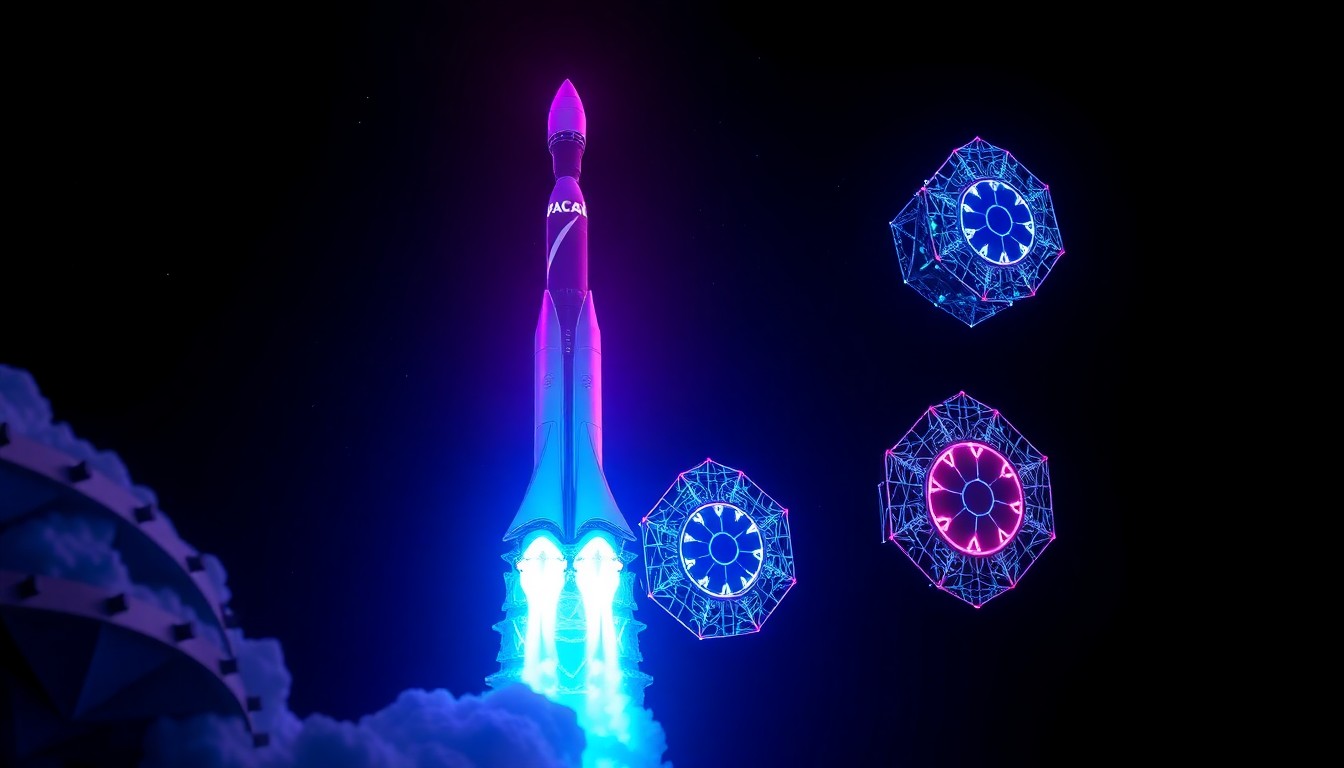
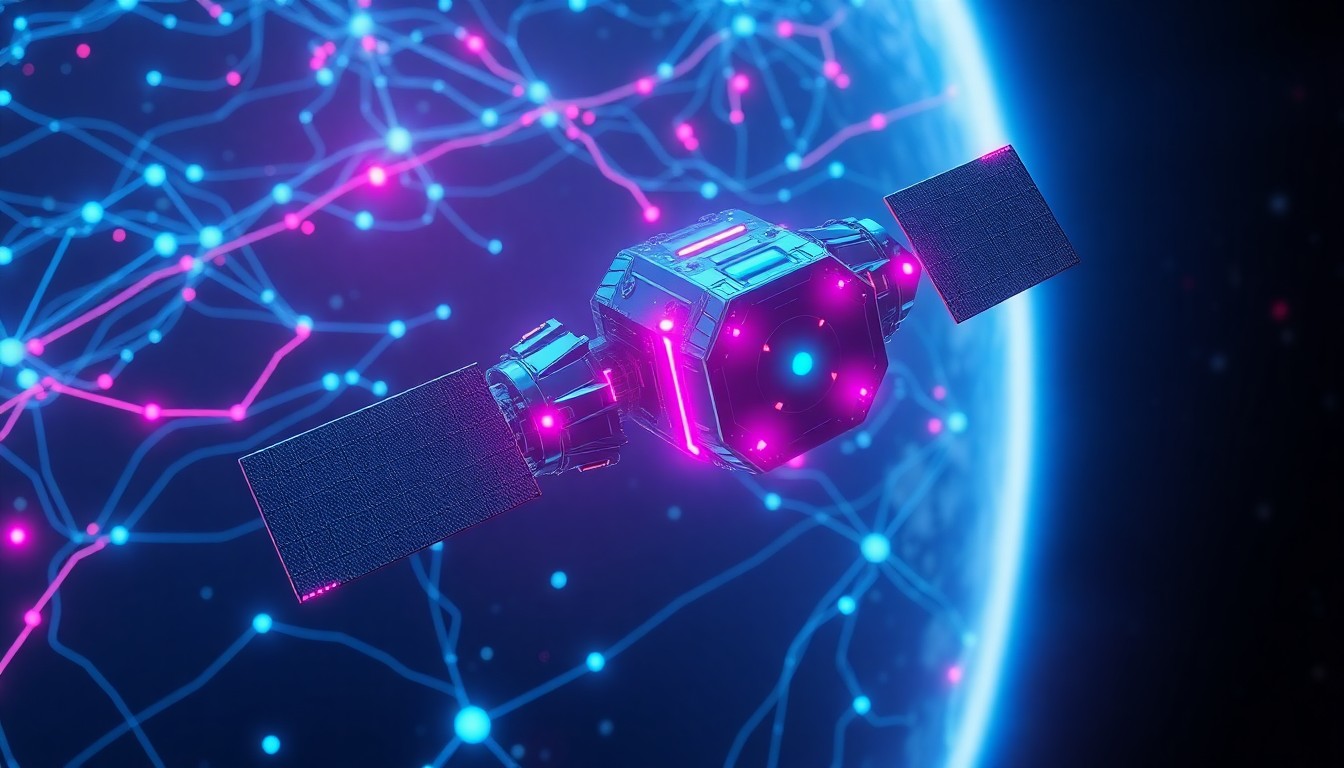
A United Launch Alliance (ULA) Vulcan Centaur rocket successfully launched a pair of space surveillance satellites for the U.S. Space Force early Thursday morning. The primary payloads are two satellites for the Geosynchronous Space Situational Awareness Program (GSSAP), which operate in geostationary orbit to monitor activities and improve collision avoidance.
Why it matters
The GSSAP system acts as a 'neighborhood watch' in geosynchronous orbit, a popular orbit for critical satellites. As the number of satellites continues to grow, effective space situational awareness is crucial for protecting vital space assets and ensuring the continued operation of essential services that rely on space-based infrastructure.
The details
The USSF-87 mission utilized the Vulcan Centaur VC4S configuration, featuring four solid rocket boosters. This is the most powerful version of the Vulcan Centaur to date. The Vulcan Centaur is ULA's replacement for the Atlas V rocket and represents a significant investment in modernizing U.S. Space launch capabilities.
- The Vulcan Centaur rocket launched early Thursday morning, February 12th, 2026.
- The initial Vulcan launch in January 2024 experienced an anomaly with its payload, but subsequent successful launches in October 2024 and August 2025 demonstrated the rocket's reliability.
- The U.S. Space Force subsequently certified Vulcan Centaur for national security launches.
The players
United Launch Alliance (ULA)
A joint venture between Lockheed Martin and Boeing that develops and operates the Vulcan Centaur launch vehicle.
U.S. Space Force
The space warfare service branch of the United States Armed Forces, responsible for national security operations in outer space.
Geosynchronous Space Situational Awareness Program (GSSAP)
A system of satellites that operate in geostationary orbit to provide crucial monitoring of activities and improve flight safety for all nations operating in that orbit.
What’s next
The U.S. Space Force has already contracted ULA for over two dozen national security missions, indicating a significant increase in launch activity. The certification of Vulcan Centaur alongside SpaceX provides redundancy and competition in the national security launch market.
The takeaway
The success of the USSF-87 mission underscores the growing importance of space situational awareness as the number of satellites continues to increase. Effective monitoring and collision avoidance capabilities are crucial for protecting vital space assets and ensuring the continued operation of essential services that rely on space-based infrastructure.