- Today
- Holidays
- Birthdays
- Reminders
- Cities
- Atlanta
- Austin
- Baltimore
- Berwyn
- Beverly Hills
- Birmingham
- Boston
- Brooklyn
- Buffalo
- Charlotte
- Chicago
- Cincinnati
- Cleveland
- Columbus
- Dallas
- Denver
- Detroit
- Fort Worth
- Houston
- Indianapolis
- Knoxville
- Las Vegas
- Los Angeles
- Louisville
- Madison
- Memphis
- Miami
- Milwaukee
- Minneapolis
- Nashville
- New Orleans
- New York
- Omaha
- Orlando
- Philadelphia
- Phoenix
- Pittsburgh
- Portland
- Raleigh
- Richmond
- Rutherford
- Sacramento
- Salt Lake City
- San Antonio
- San Diego
- San Francisco
- San Jose
- Seattle
- Tampa
- Tucson
- Washington
Ceiling Light Packaging Market Grows at 12.4% CAGR Amid Environmental Regulations
Shift to sustainable materials and automation drives transformation in the $7.4 billion industry by 2036
Feb. 9, 2026 at 1:31am
Got story updates? Submit your updates here. ›
The global ceiling light packaging market is projected to reach $7.4 billion by 2036, expanding at a 12.4% compound annual growth rate (CAGR) as manufacturers adapt to tightening environmental regulations, rising product fragility, and the rapid redesign of global logistics systems. Driven by EU Green Deal rules and sustainability goals, Germany's market is growing at a 10.6% CAGR as the industry shifts away from plastic void fill toward fiber-based and bio-composite cushioning systems.
Why it matters
Ceiling light packaging is becoming a strategic enabler of market access rather than a secondary logistics function, as sustainability mandates tighten and lighting products grow more fragile and design-intensive. Manufacturers that align material innovation, automation, and regulatory compliance are expected to gain a durable competitive advantage in this rapidly transforming market.
The details
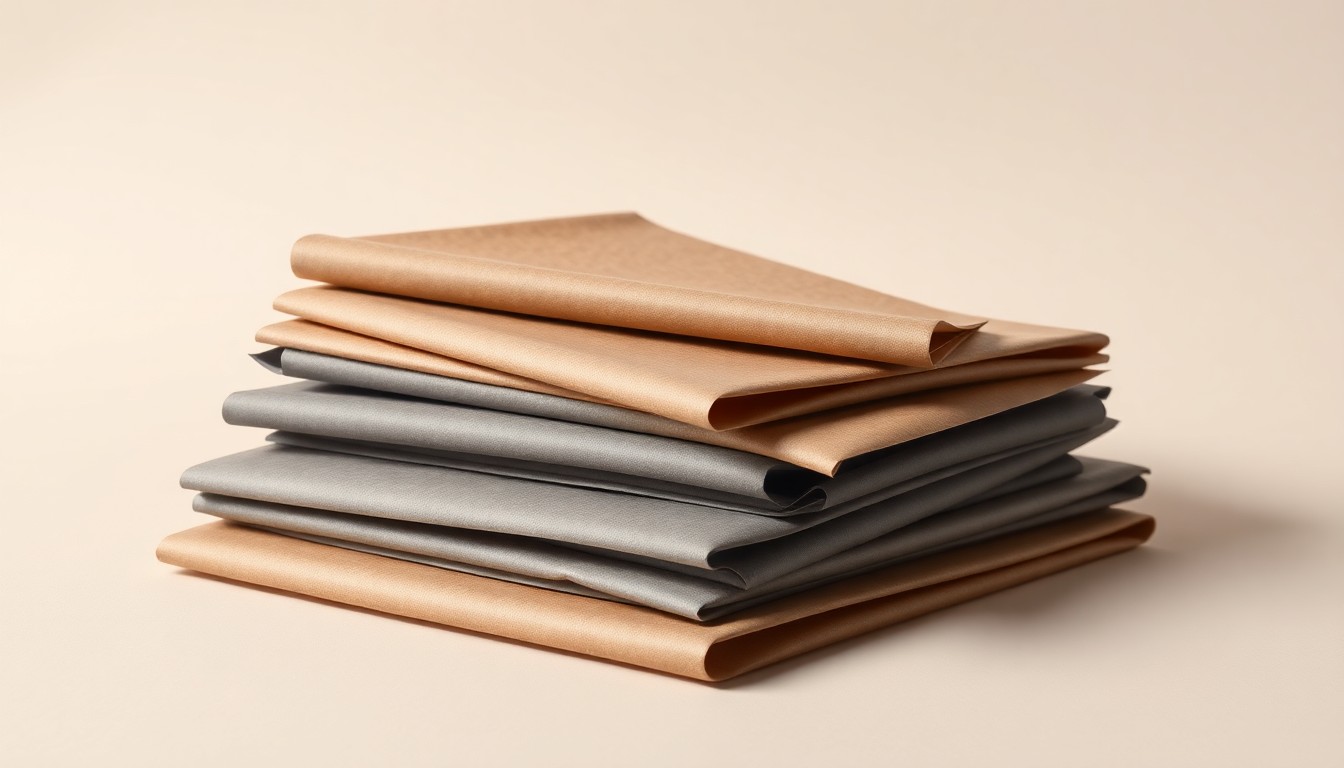
The ceiling light packaging market includes purpose-designed primary and secondary packaging solutions used to protect ceiling-mounted fixtures during transportation and handling. These solutions span corrugated boxes, die-cut inserts, molded pulp trays, foam cushioning, mycelium composites, and smart labeling systems. Between 2026 and 2028, the industry is expected to undergo a rapid 'EPS exit,' as manufacturers move away from expanded polystyrene in response to the European Union's Packaging and Packaging Waste Regulation (PPWR). As a result, lighting manufacturers are adopting fiber-based and bio-composite cushioning systems that deliver high shock resistance while meeting recyclability and reusability requirements.
- The ceiling light packaging market is valued at $2.3 billion in 2026.
- The market is projected to reach $7.4 billion by 2036, expanding at a 12.4% CAGR.
- From January 1, 2030, at least 40% of transport packaging in the EU must be reusable, and void-fill reduction targets are being strictly enforced.
The players
Smurfit Westrock
A transatlantic fiber-based leader capable of delivering standardized, plastic-free solutions at global scale, formed by the 2024 merger of Smurfit Kappa and WestRock.
Nine Dragons Paper
A leading paper producer in China that reached 21.67 million tonnes per annum of design capacity by mid-2024, supporting the country's 14.2% CAGR growth in the ceiling light packaging market.
The takeaway
The ceiling light packaging market is undergoing a rapid transformation, driven by tightening environmental regulations, rising product fragility, and the redesign of global logistics systems. Manufacturers that align material innovation, automation, and regulatory compliance are poised to gain a competitive edge in this rapidly evolving industry.