- Today
- Holidays
- Birthdays
- Reminders
- Cities
- Atlanta
- Austin
- Baltimore
- Berwyn
- Beverly Hills
- Birmingham
- Boston
- Brooklyn
- Buffalo
- Charlotte
- Chicago
- Cincinnati
- Cleveland
- Columbus
- Dallas
- Denver
- Detroit
- Fort Worth
- Houston
- Indianapolis
- Knoxville
- Las Vegas
- Los Angeles
- Louisville
- Madison
- Memphis
- Miami
- Milwaukee
- Minneapolis
- Nashville
- New Orleans
- New York
- Omaha
- Orlando
- Philadelphia
- Phoenix
- Pittsburgh
- Portland
- Raleigh
- Richmond
- Rutherford
- Sacramento
- Salt Lake City
- San Antonio
- San Diego
- San Francisco
- San Jose
- Seattle
- Tampa
- Tucson
- Washington
US Military Braces for Potential Escalation Amid Rising Iran Tensions
Heightened rhetoric and military posturing raise concerns about unintended conflict in the Gulf region
Apr. 18, 2026 at 7:09pm
Got story updates? Submit your updates here. ›
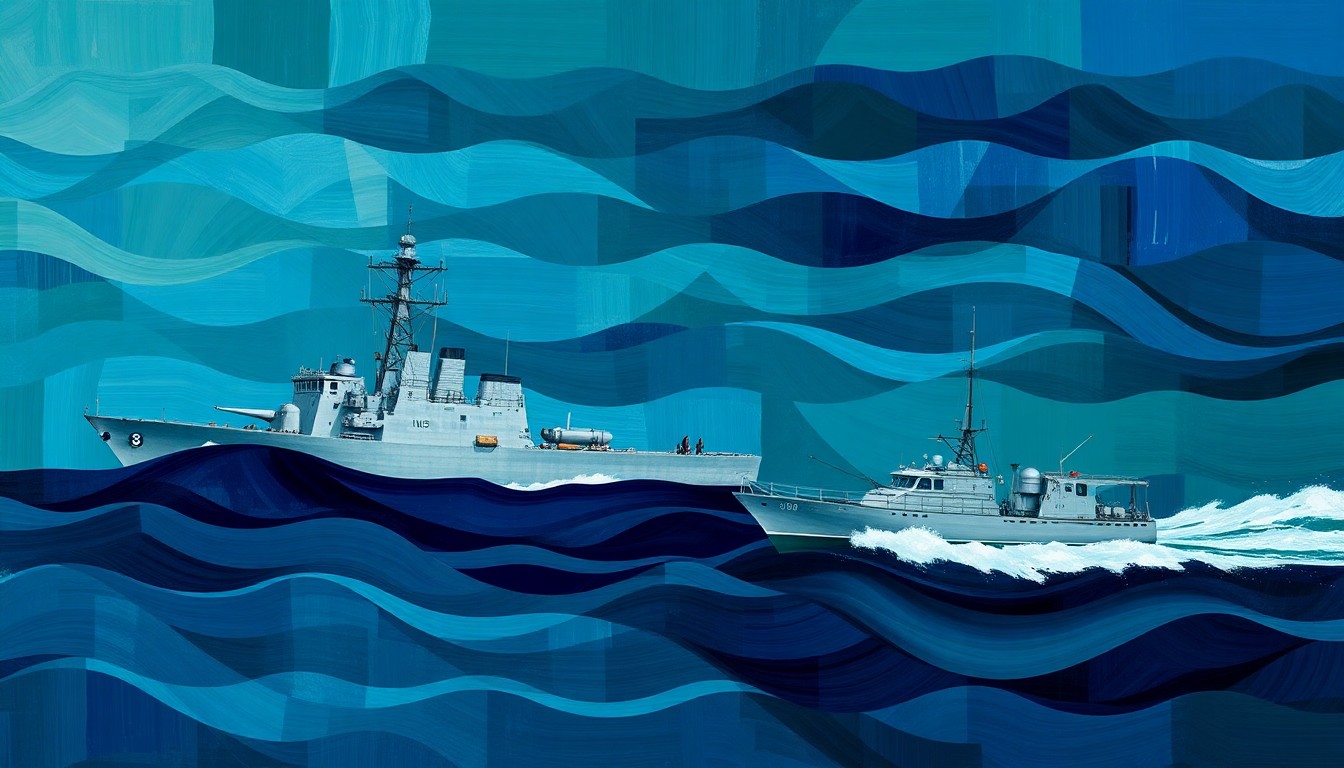 As tensions escalate in the Gulf, the U.S. and Iran position naval forces, raising the risk of an unintended confrontation with global implications.Washington Today
Military forces are preparing for a potential escalation in the Middle East as tensions with Iran intensify, according to multiple news reports. The U.S. is positioning naval and air assets in the region, particularly around the Strait of Hormuz, while Iran has firmly rejected calls for compromise and warned of a proportional response to any attempt to intercept or detain its ships.
Why it matters
The Strait of Hormuz, through which approximately 20% of global oil trade passes, remains a focal point of the tension. Any disruption to shipping in the area could have immediate repercussions for energy markets and global supply chains. Both the U.S. and Iran have previously accused each other of provocative actions in the region, raising the risk of miscalculation and unintended escalation.
The details
Reports indicate the U.S. is considering operational options, including the possible interception or seizure of Iranian vessels suspected of violating international sanctions or engaging in hostile maneuvers. Iran has issued a new statement rejecting any negotiations under pressure and asserting its right to defend national interests in the face of increased U.S. military posturing.
- On April 17, 2026, Iran issued a statement rejecting calls for compromise.
- On April 18, 2026, reports emerged of heightened U.S. military activity in the region.
The players
United States
The U.S. government and military are positioning naval and air assets in the Middle East region, particularly around the Strait of Hormuz, in response to the rising tensions with Iran.
Iran
The Iranian government has firmly dismissed calls for compromise, issuing a new statement that rejects any negotiations under pressure and asserts its right to defend national interests in the face of increased U.S. military posturing.
Donald Trump
The former U.S. president made a cryptic remark suggesting that a decision on Iran is imminent, reflecting growing frustration within certain U.S. political circles over the protracted standoff with Iran.
What they’re saying
“Wkrótce się dowiemy”
— Donald Trump
“Iran will not yield to what it describes as coercive diplomacy, asserting its right to defend national interests in the face of increased U.S. military posturing.”
— Iranian officials
What’s next
Diplomatic channels between the U.S. and Iran remain largely inactive, with no active negotiations underway to de-escalate the situation. International observers have urged restraint, warning that miscalculation could trigger a broader regional conflict.
The takeaway
The heightened rhetoric and military posturing between the U.S. and Iran raise serious concerns about the risk of unintended escalation in the Gulf region, which could have far-reaching consequences for global energy markets and supply chains. Effective diplomatic efforts to de-escalate the situation and prevent miscalculation will be crucial in the coming weeks.
Washington top stories


Washington events
Apr. 18, 2026
DC Defenders vs. St. Louis Battlehawks
Apr. 18, 2026
Glow Block Party: Chris Lake
Apr. 18, 2026
Nimesh Patel: With All Due Disrespect Tour