- Today
- Holidays
- Birthdays
- Reminders
- Cities
- Atlanta
- Austin
- Baltimore
- Berwyn
- Beverly Hills
- Birmingham
- Boston
- Brooklyn
- Buffalo
- Charlotte
- Chicago
- Cincinnati
- Cleveland
- Columbus
- Dallas
- Denver
- Detroit
- Fort Worth
- Houston
- Indianapolis
- Knoxville
- Las Vegas
- Los Angeles
- Louisville
- Madison
- Memphis
- Miami
- Milwaukee
- Minneapolis
- Nashville
- New Orleans
- New York
- Omaha
- Orlando
- Philadelphia
- Phoenix
- Pittsburgh
- Portland
- Raleigh
- Richmond
- Rutherford
- Sacramento
- Salt Lake City
- San Antonio
- San Diego
- San Francisco
- San Jose
- Seattle
- Tampa
- Tucson
- Washington
US and Cuban Officials Meet in Havana Amid Diplomatic Push
Discussions focused on economic changes, internet access, and regional security concerns.
Apr. 18, 2026 at 2:03am
Got story updates? Submit your updates here. ›
 The renewed diplomatic push between the U.S. and Cuba aims to address longstanding tensions and find a path forward, but the deep-rooted challenges remain.Washington Today
A senior U.S. State Department official recently met with the grandson of former Cuban leader Raúl Castro in Havana, marking a renewed diplomatic push between the two countries. The talks covered topics like economic reforms, political repression, and a U.S. proposal to provide free internet access to Cuba through Starlink satellites. This comes as tensions remain high, with President Trump threatening potential military action against Cuba and Cuban President Díaz-Canel warning the country is prepared to fight back if needed.
Why it matters
The meeting signals a shift in U.S.-Cuba relations, which have been strained under the Trump administration. It reflects a renewed diplomatic effort to address longstanding issues between the two countries, including Cuba's economic and political challenges, as well as regional security concerns. The outcome of these talks could have significant implications for the future of U.S.-Cuba relations.
The details
During the recent trip to Havana, the U.S. delegation urged Cuba to make major changes to its economy and system of governance, warning that the island nation cannot become a regional security threat. The talks also covered a U.S. proposal to provide free and reliable internet access to Cuba through Starlink satellite technology. This marked the first U.S. government flight to land in Cuba, other than at the Guantanamo Bay naval base, since 2016.
- The meeting took place last week in Havana.
- In February, U.S. Secretary of State Marco Rubio met with Raúl Guillermo Rodríguez Castro, the grandson of former Cuban leader Raúl Castro, in St. Kitts and Nevis.
The players
Raúl Guillermo Rodríguez Castro
The grandson of former Cuban leader Raúl Castro, who is believed to play an influential role in the Cuban government despite not holding an official post.
Marco Rubio
The U.S. Secretary of State and a longtime Cuba hawk, who previously met with Raúl Guillermo Rodríguez Castro in St. Kitts and Nevis.
Miguel Díaz-Canel
The current President of Cuba, who warned that the country is prepared to fight back if the U.S. attempts military aggression.
Donald Trump
The former U.S. President, who has threatened to intervene in Cuba and described the country as a 'failing nation' that has 'been a terribly run country for a long time.'
What they’re saying
“The moment is extremely challenging and calls upon us once again, as on April 16, 1961, to be ready to confront serious threats, including military aggression. We do not want it, but it is our duty to prepare to avoid it and, if it becomes inevitable, to defeat it.”
— Miguel Díaz-Canel, President of Cuba
“We may stop by Cuba after we finish with this. It's been a terribly run country for a long time.”
— Donald Trump
What’s next
The outcome of the diplomatic talks and the potential for further engagement between the U.S. and Cuba will be closely watched, as both countries navigate the complex and often contentious relationship between them.
The takeaway
This diplomatic push represents a shift in U.S.-Cuba relations, with both sides seeking to address longstanding issues and find a path forward. However, the deep-seated tensions and mistrust between the two countries remain, and the potential for further escalation or conflict cannot be ignored.
Washington top stories



Washington events
Apr. 18, 2026
DC Defenders vs. St. Louis Battlehawks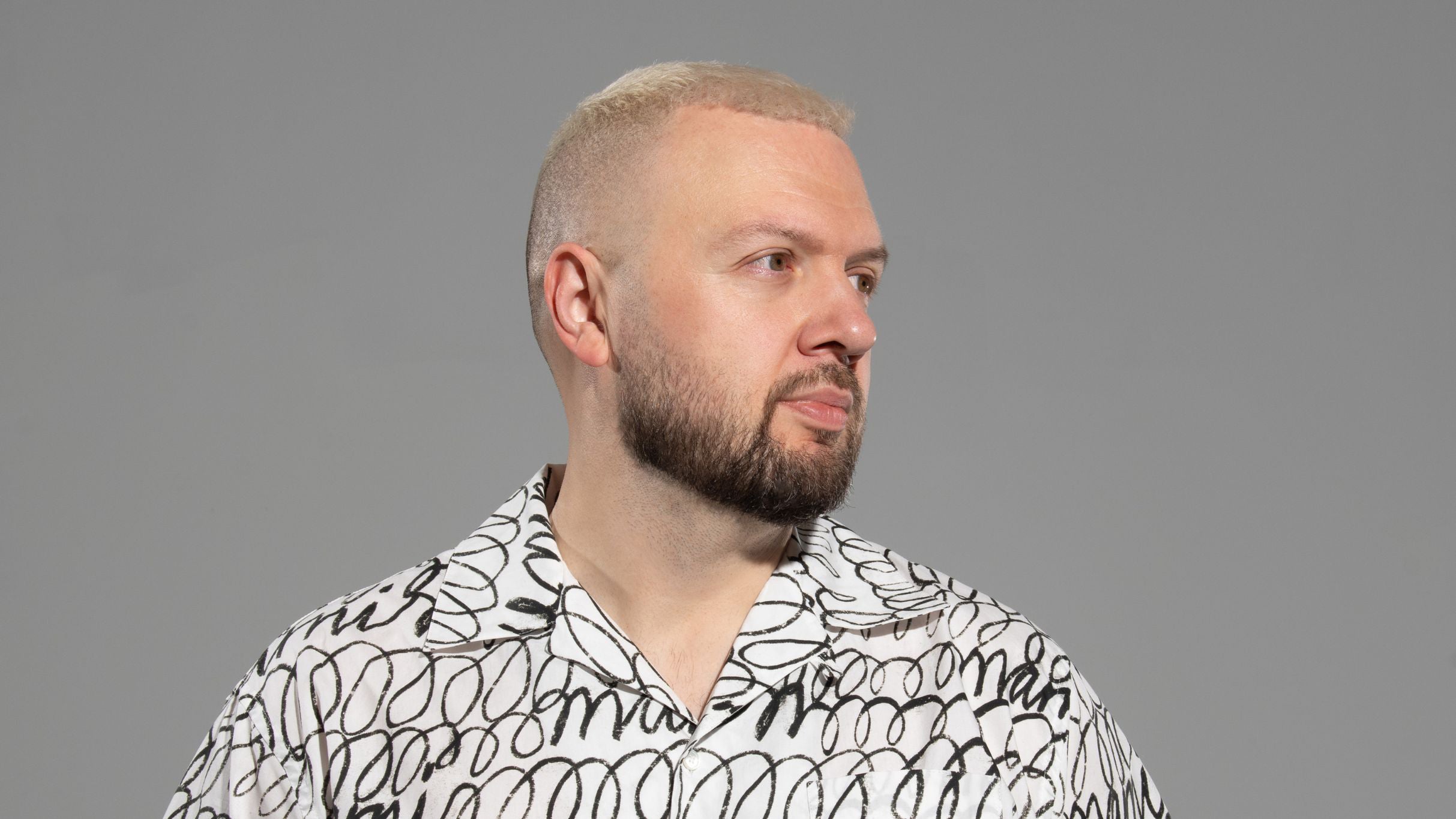
Apr. 18, 2026
Glow Block Party: Chris Lake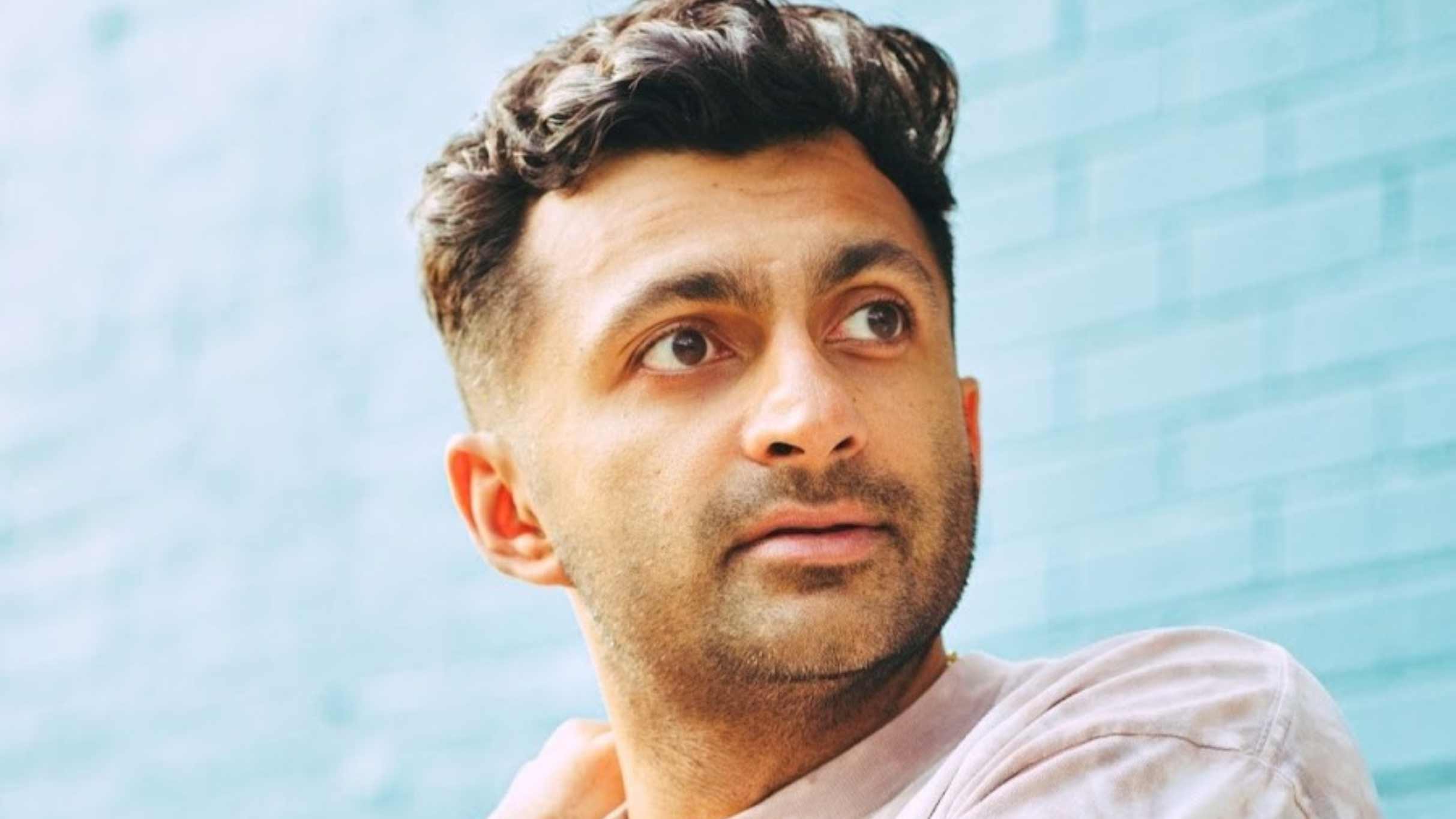
Apr. 18, 2026
Nimesh Patel: With All Due Disrespect Tour