- Today
- Holidays
- Birthdays
- Reminders
- Cities
- Atlanta
- Austin
- Baltimore
- Berwyn
- Beverly Hills
- Birmingham
- Boston
- Brooklyn
- Buffalo
- Charlotte
- Chicago
- Cincinnati
- Cleveland
- Columbus
- Dallas
- Denver
- Detroit
- Fort Worth
- Houston
- Indianapolis
- Knoxville
- Las Vegas
- Los Angeles
- Louisville
- Madison
- Memphis
- Miami
- Milwaukee
- Minneapolis
- Nashville
- New Orleans
- New York
- Omaha
- Orlando
- Philadelphia
- Phoenix
- Pittsburgh
- Portland
- Raleigh
- Richmond
- Rutherford
- Sacramento
- Salt Lake City
- San Antonio
- San Diego
- San Francisco
- San Jose
- Seattle
- Tampa
- Tucson
- Washington
Supreme Court's 'Shadow Docket' Traced Back to Chief Justice Roberts
New reporting sheds light on the court's secretive decision-making process that has enabled major rulings without full deliberation.
Apr. 18, 2026 at 8:22pm
Got story updates? Submit your updates here. ›
 The Supreme Court's secretive 'shadow docket' rulings have cast a long shadow over the integrity of the judicial process.Washington Today
A new front-page story in The New York Times traces the origins of the Supreme Court's controversial 'shadow docket' to a 2016 ruling by Chief Justice John G. Roberts Jr. that halted President Barack Obama's signature environmental policy, the Clean Power Plan, before any other court had weighed in. The report reveals Roberts' pivotal role in pushing the court to make major decisions through this secretive track, which has enabled over 20 key victories for the Trump administration on issues ranging from immigration to agency power.
Why it matters
The 'shadow docket' represents a sharp break from the Supreme Court's traditional deliberative process, allowing the justices to make significant rulings without the usual level of care, public scrutiny, and written explanation. This has raised concerns about the court's impartiality and the integrity of the judicial system, particularly as the rulings have often fallen along partisan lines.
The details
The report details how, in February 2016, the Supreme Court issued a one-paragraph ruling that halted Obama's Clean Power Plan, his signature environmental policy, before any other court had addressed its lawfulness. This marked the birth of the court's 'shadow docket,' a secretive track the justices have since used to grant over 20 key victories to the Trump administration on issues like immigration and agency power, often without full deliberation or explanation.
- In February 2016, the Supreme Court issued a one-paragraph ruling halting Obama's Clean Power Plan.
- This ruling is seen as the birth of the court's 'shadow docket' decision-making process.
The players
John G. Roberts Jr.
The Chief Justice of the United States, who has been identified as a key figure in pushing the Supreme Court to utilize the 'shadow docket' to make major rulings without full deliberation.
Barack Obama
The former President of the United States, whose signature environmental policy, the Clean Power Plan, was halted by the Supreme Court's 'shadow docket' ruling in 2016.
Donald Trump
The former President of the United States, who was granted over 20 key victories on issues like immigration and agency power through the Supreme Court's 'shadow docket' rulings.
What’s next
The report suggests that the next Democratic president should demand Chief Justice Roberts' resignation, and that Supreme Court reform should be a top priority for Democrats.
The takeaway
The Supreme Court's use of the 'shadow docket' to make major rulings without full deliberation and public scrutiny has raised serious concerns about the court's impartiality and the integrity of the judicial system, particularly as the rulings have often fallen along partisan lines.
Washington top stories


Washington events

Apr. 19, 2026
Nimesh Patel: With All Due Disrespect Tour
Apr. 19, 2026
An Evening With KUN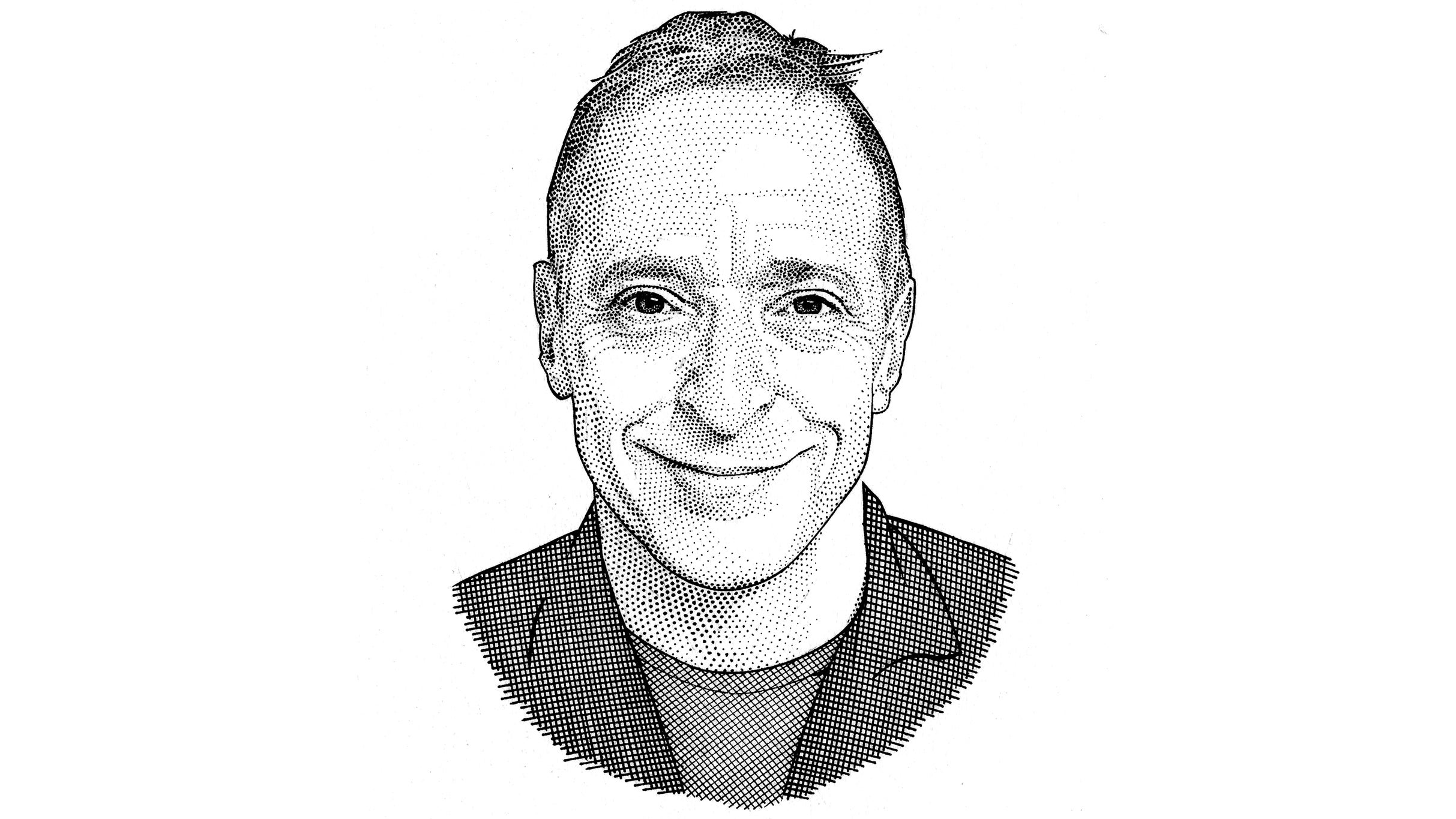
Apr. 19, 2026
An Afternoon with David Sedaris