- Today
- Holidays
- Birthdays
- Reminders
- Cities
- Atlanta
- Austin
- Baltimore
- Berwyn
- Beverly Hills
- Birmingham
- Boston
- Brooklyn
- Buffalo
- Charlotte
- Chicago
- Cincinnati
- Cleveland
- Columbus
- Dallas
- Denver
- Detroit
- Fort Worth
- Houston
- Indianapolis
- Knoxville
- Las Vegas
- Los Angeles
- Louisville
- Madison
- Memphis
- Miami
- Milwaukee
- Minneapolis
- Nashville
- New Orleans
- New York
- Omaha
- Orlando
- Philadelphia
- Phoenix
- Pittsburgh
- Portland
- Raleigh
- Richmond
- Rutherford
- Sacramento
- Salt Lake City
- San Antonio
- San Diego
- San Francisco
- San Jose
- Seattle
- Tampa
- Tucson
- Washington
China Plays Cautious Role in U.S.-Israel War Against Iran
Beijing seeks to balance ties with Washington and Tehran amid global economic disruption.
Apr. 18, 2026 at 11:24am
Got story updates? Submit your updates here. ›
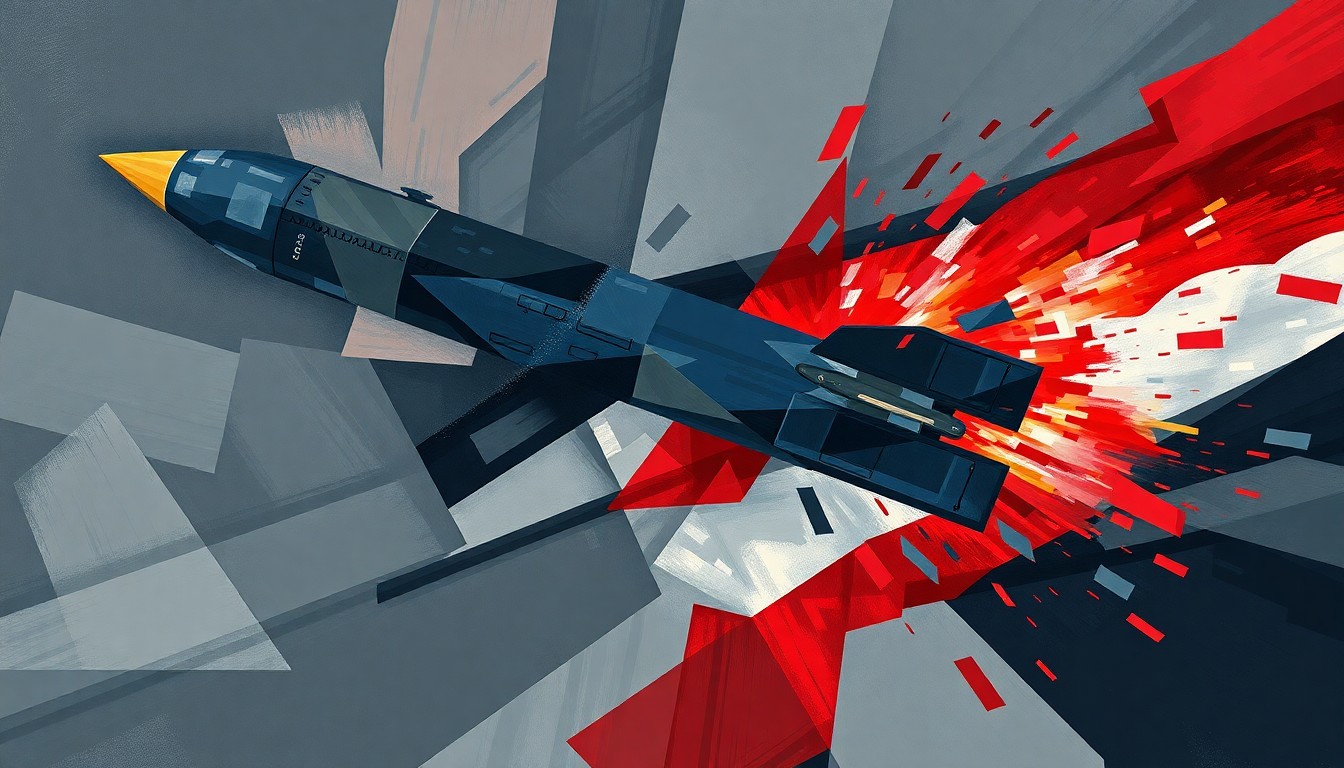 China's behind-the-scenes diplomacy aims to balance its ties with both the U.S. and Iran amid the escalating conflict.Washington Today
China has taken a behind-the-scenes approach in the early weeks of the U.S.-Israeli war against Iran, a longtime friend of Beijing. While avoiding overt support for Iran, China has tried to position itself as a peacemaker, calling for a ceasefire and negotiations to end the conflict that has disrupted global supply chains and sent oil prices soaring.
Why it matters
China's cautious diplomacy underscores its delicate balancing act as it seeks to maintain relations with both the U.S. and Iran, its major economic and geopolitical partners. Beijing is wary of getting too involved in the conflict, which it views as a 'trap' that could jeopardize its broader strategic interests.
The details
China has refrained from strongly condemning the U.S. and Israel's attacks on Iran, instead calling for a ceasefire and negotiations. It has also blocked a UN Security Council resolution to reopen the Strait of Hormuz, a key global oil chokepoint. Analysts say China is leveraging its ties with Pakistan to have a voice in mediation efforts without direct involvement.
- In the early weeks of the U.S.-Israeli war against Iran, China said relatively little.
- This week, China slammed the U.S. naval blockade of the Strait of Hormuz as a 'dangerous and irresponsible move'.
- At the UN Security Council this month, China - along with Russia - vetoed a resolution by Bahrain to reopen the Strait of Hormuz.
The players
China
A key partner for Iran and a major buyer of Iranian oil, China has sought to balance its relations with both the U.S. and Iran amid the conflict.
Donald Trump
The U.S. president, who has pursued the war against Iran, despite China's calls for a ceasefire and negotiations.
Xi Jinping
The Chinese leader, who is preparing to host Trump for their first meeting in nearly a decade, as Beijing seeks to stabilize relations with Washington.
What they’re saying
“This will only aggravate confrontation, escalate tension, undermine the already fragile ceasefire and further jeopardize safe passage through the Strait of Hormuz. China believes that only a complete ceasefire can fundamentally create conditions for easing the situation.”
— Guo Jiakun, Chinese Foreign Ministry spokesman
“China has major investments in the region, including strategic infrastructure and connectivity projects, all of which have been significantly disrupted by the conflict. China hopes the conflict can first be brought to a halt and addressed through negotiations, without spilling over into the broader global economy.”
— Wang Yiwei, Former Chinese diplomat and director of the Institute of International Affairs at Renmin University of China
What’s next
China is leveraging its ties with Pakistan to have a voice in the mediation efforts without direct involvement. Beijing is also focused on maintaining stability in its relations with the U.S. ahead of a planned summit between President Trump and President Xi.
The takeaway
China's cautious approach to the U.S.-Israel war against Iran reflects its delicate diplomatic balancing act, as it seeks to maintain ties with both Washington and Tehran while avoiding getting drawn into a conflict that could disrupt its economic interests and global standing.
Washington top stories



Washington events
Apr. 18, 2026
DC Defenders vs. St. Louis Battlehawks
Apr. 18, 2026
Glow Block Party: Chris Lake
Apr. 18, 2026
Nimesh Patel: With All Due Disrespect Tour