- Today
- Holidays
- Birthdays
- Reminders
- Cities
- Atlanta
- Austin
- Baltimore
- Berwyn
- Beverly Hills
- Birmingham
- Boston
- Brooklyn
- Buffalo
- Charlotte
- Chicago
- Cincinnati
- Cleveland
- Columbus
- Dallas
- Denver
- Detroit
- Fort Worth
- Houston
- Indianapolis
- Knoxville
- Las Vegas
- Los Angeles
- Louisville
- Madison
- Memphis
- Miami
- Milwaukee
- Minneapolis
- Nashville
- New Orleans
- New York
- Omaha
- Orlando
- Philadelphia
- Phoenix
- Pittsburgh
- Portland
- Raleigh
- Richmond
- Rutherford
- Sacramento
- Salt Lake City
- San Antonio
- San Diego
- San Francisco
- San Jose
- Seattle
- Tampa
- Tucson
- Washington
U.S. Enforces Full Blockade of Iranian Ports, Cutting Off 90% of Tehran's Trade
White House signals diplomatic solution as negotiations with Iran continue amid economic fallout
Apr. 15, 2026 at 4:12am
Got story updates? Submit your updates here. ›
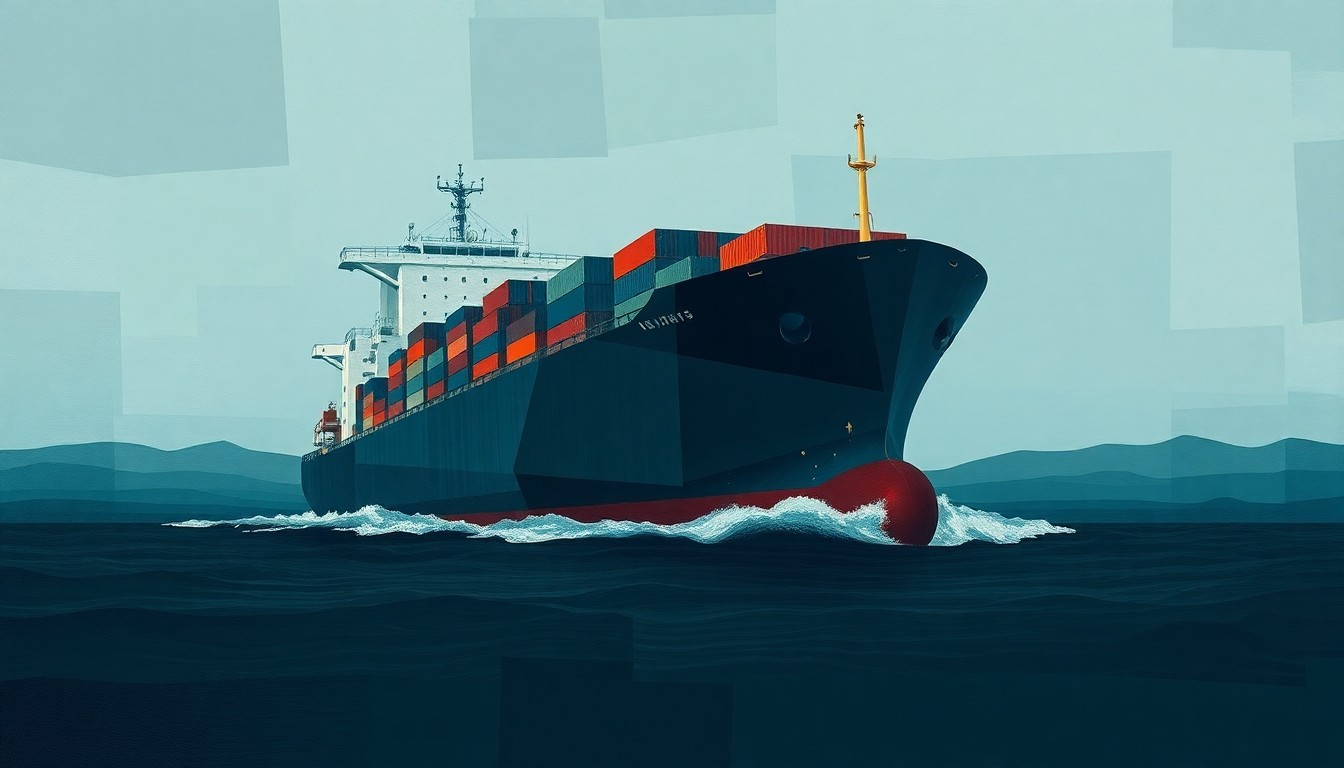 The U.S. naval blockade of Iranian ports in the Strait of Hormuz has severely disrupted global seaborne trade, with far-reaching economic and geopolitical implications.Washington Today
The U.S. military has fully implemented a blockade of Iranian ports, cutting off over 90% of Tehran's international seaborne trade that powers its economy. The blockade, which took effect on Monday, involves over 10,000 U.S. troops, more than a dozen Navy ships, and fighter jets in the Gulf of Oman and Arabian Sea. While the move is estimated to cost Iran $435 million per day, the White House has been signaling a diplomatic solution to the conflict as discussions around continuing negotiations with Iran are underway.
Why it matters
The blockade of the Strait of Hormuz, a vital global oil chokepoint, could further disrupt energy flows and strain Washington's ties with major Iranian oil buyers like China and India. However, signs of a potential diplomatic resolution have eased some pressure on oil markets, with prices dropping slightly.
The details
The U.S. Central Command announced that the blockade has completely halted economic trade going in and out of Iran by sea, as U.S. forces maintain maritime superiority in the region. More than 90% of Iran's $109.7 billion in annual seaborne trade transits through the Strait of Hormuz, and Iran lacks significant alternative trade routes. During the first 24 hours, no ships made it past the U.S. blockade, with 6 merchant vessels ordered to turn back.
- The blockade took effect on Monday, April 14, 2026.
- It was implemented within 36 hours of President Donald Trump's order.
The players
U.S. Central Command
The U.S. military's regional command responsible for the Middle East, including the enforcement of the blockade of Iranian ports.
Brad Cooper
The commander of U.S. Central Command, who announced the full implementation of the blockade.
Miad Maleki
A senior fellow at the Foundation for Defense of Democracies, a non-partisan think tank in Washington, who estimates the blockade will cost Iran $435 million per day.
Donald Trump
The former U.S. president who ordered the blockade of Iranian ports.
What’s next
Discussions around continuing negotiations with Iran are underway as the White House signals a diplomatic solution to the conflict.
The takeaway
The U.S. blockade of Iranian ports is a significant escalation in the ongoing tensions in the Middle East, cutting off a vital economic lifeline for Iran. However, the White House's signals of a diplomatic resolution suggest a potential path forward to de-escalate the conflict through negotiations.
Washington top stories



Washington events

Apr. 19, 2026
Nimesh Patel: With All Due Disrespect Tour
Apr. 19, 2026
An Evening With KUN
Apr. 19, 2026
An Afternoon with David Sedaris