- Today
- Holidays
- Birthdays
- Reminders
- Cities
- Atlanta
- Austin
- Baltimore
- Berwyn
- Beverly Hills
- Birmingham
- Boston
- Brooklyn
- Buffalo
- Charlotte
- Chicago
- Cincinnati
- Cleveland
- Columbus
- Dallas
- Denver
- Detroit
- Fort Worth
- Houston
- Indianapolis
- Knoxville
- Las Vegas
- Los Angeles
- Louisville
- Madison
- Memphis
- Miami
- Milwaukee
- Minneapolis
- Nashville
- New Orleans
- New York
- Omaha
- Orlando
- Philadelphia
- Phoenix
- Pittsburgh
- Portland
- Raleigh
- Richmond
- Rutherford
- Sacramento
- Salt Lake City
- San Antonio
- San Diego
- San Francisco
- San Jose
- Seattle
- Tampa
- Tucson
- Washington
Appeals Court Allows White House Ballroom Construction to Continue Temporarily
Judges order federal judge to reconsider blocking project, weigh national security concerns
Apr. 12, 2026 at 12:51pm
Got story updates? Submit your updates here. ›
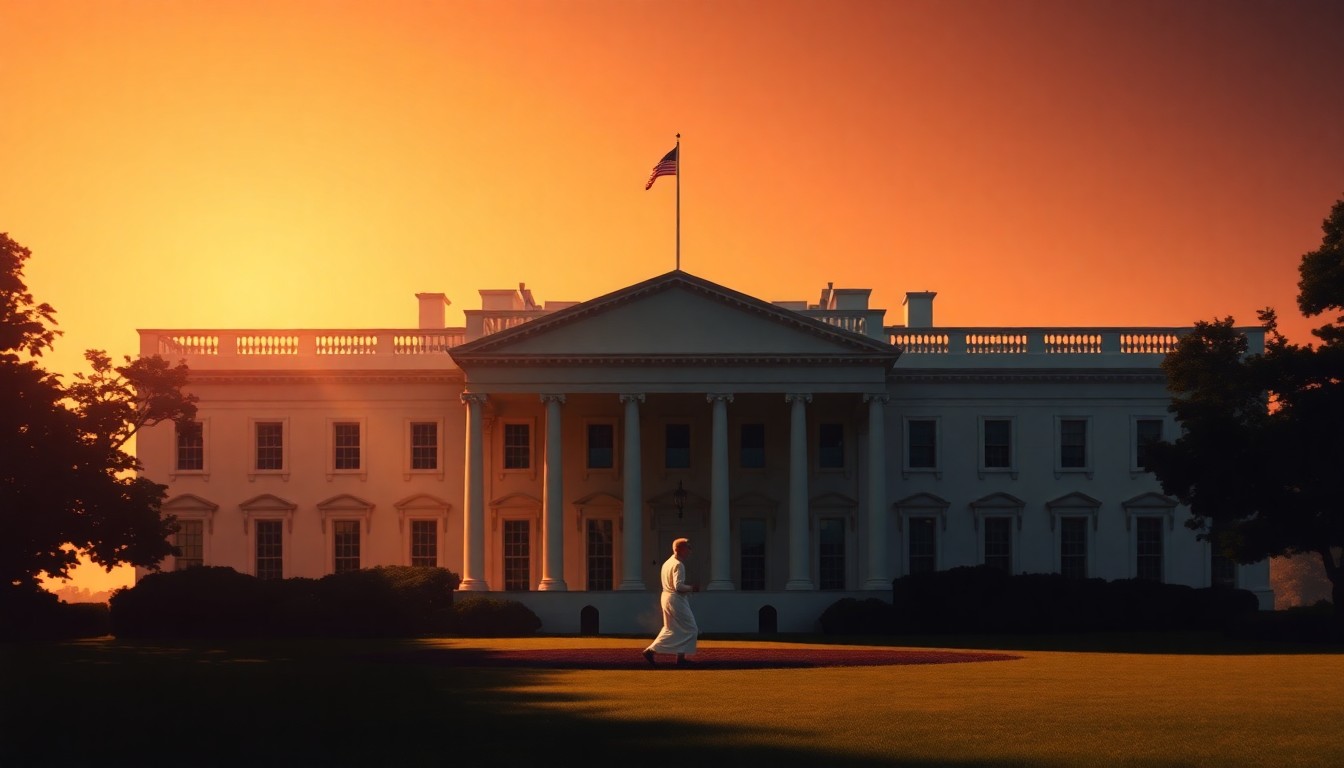 As the White House undergoes a contentious renovation, the historic East Wing faces an uncertain future amid clashing priorities of preservation and security.Washington Today
A federal appeals court has ruled that construction on a $400 million White House ballroom can proceed temporarily, until Friday, April 17. The court instructed a lower court judge to reconsider blocking the project, and to weigh the Trump administration's claims about national security risks if construction is halted.
Why it matters
The White House has argued that the ballroom project includes critical security features to protect against threats like drones, missiles, and biohazards, and that delaying construction would 'imperil the president and others.' This case highlights the ongoing tensions between historic preservation, executive authority, and national security concerns surrounding renovations to the White House.
The details
In December, the National Trust for Historic Preservation sued to block the ballroom construction, claiming Trump exceeded his authority by demolishing the existing East Wing without congressional approval. A lower court judge issued an injunction to halt the project, but the appeals court has now temporarily lifted that injunction to allow construction to continue until April 17, giving the administration time to seek Supreme Court review. The appeals court said the lower court judge must clarify whether and how the injunction interferes with the administration's security claims.
- The White House finished demolishing the East Wing in December 2025.
- The National Trust for Historic Preservation sued a week after the demolition.
- A lower court judge issued an injunction to halt the ballroom construction on March 31, 2026.
- The appeals court temporarily lifted the injunction on April 11, 2026, allowing construction to continue until April 17, 2026.
The players
Donald Trump
The former President of the United States who initiated the $400 million White House ballroom construction project.
National Trust for Historic Preservation
A nonprofit organization that sued to block the White House ballroom construction, claiming Trump exceeded his authority by demolishing the existing East Wing without congressional approval.
U.S. Court of Appeals for the D.C. Circuit
The federal appeals court that temporarily lifted the injunction blocking the White House ballroom construction, ordering the lower court judge to reconsider the case and weigh national security concerns.
U.S. District Judge Richard Leon
The federal judge who initially issued an injunction to halt the White House ballroom construction project.
Carol Quillen
The CEO of the National Trust for Historic Preservation, who said the organization is committed to honoring the historic significance of the White House.
What they’re saying
“Importantly, the government has presented credible evidence of ongoing security vulnerabilities at the White House that would be prolonged by halting construction.”
— Judge Neomi Rao
“We are committed to honoring the historic significance of the White House, advocating for our collective role as stewards, and demonstrating how broad consultation, including with the American people, results in a better overall outcome.”
— Carol Quillen, CEO, National Trust for Historic Preservation
What’s next
The lower court judge must clarify whether and how the injunction interferes with the administration's security claims by April 17, 2026, when the temporary lift on the injunction expires.
The takeaway
This case highlights the ongoing tension between historic preservation, executive authority, and national security concerns when it comes to renovations and construction projects at the White House. The appeals court's decision to temporarily allow the ballroom construction to continue underscores the administration's argument that security upgrades are essential, even as preservationists argue the president exceeded his authority.
Washington top stories



Washington events

Apr. 12, 2026
Washington Capitals VIP Tickets: 04/12/26
Apr. 12, 2026
Glen Hansard