- Today
- Holidays
- Birthdays
- Reminders
- Cities
- Atlanta
- Austin
- Baltimore
- Berwyn
- Beverly Hills
- Birmingham
- Boston
- Brooklyn
- Buffalo
- Charlotte
- Chicago
- Cincinnati
- Cleveland
- Columbus
- Dallas
- Denver
- Detroit
- Fort Worth
- Houston
- Indianapolis
- Knoxville
- Las Vegas
- Los Angeles
- Louisville
- Madison
- Memphis
- Miami
- Milwaukee
- Minneapolis
- Nashville
- New Orleans
- New York
- Omaha
- Orlando
- Philadelphia
- Phoenix
- Pittsburgh
- Portland
- Raleigh
- Richmond
- Rutherford
- Sacramento
- Salt Lake City
- San Antonio
- San Diego
- San Francisco
- San Jose
- Seattle
- Tampa
- Tucson
- Washington
Trump's Blowup with Rutte: The Real Reason Behind the Anger
The NATO Tightrope: Rutte's Delicate Dance with Trump's Frustration
Apr. 11, 2026 at 2:12am
Got story updates? Submit your updates here. ›
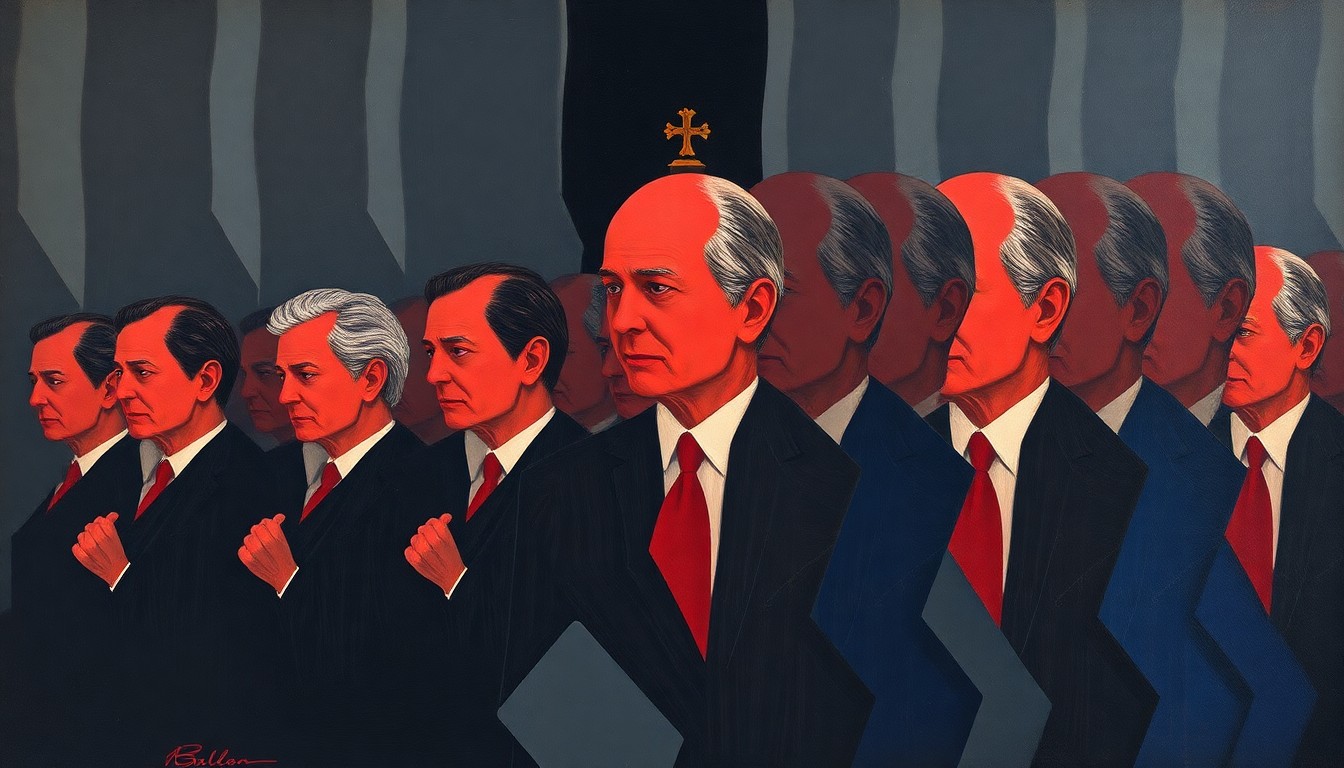 As tensions over the future of NATO escalate, a fractured, kinetic illustration captures the turbulent political dynamics at play.Washington Today
There's a certain irony in watching Mark Rutte, the former Dutch prime minister, navigate the tempestuous waters of transatlantic diplomacy. Personally, I think what makes this particularly fascinating is how Rutte's role has evolved from a straightforward alliance leader to something akin to a therapist for an unpredictable American president. His recent visit to Washington wasn't just about policy—it was about managing Donald Trump's emotions, a task that feels more like crisis counseling than statecraft.
Why it matters
At the core of Trump's blowup with Rutte is a simmering frustration with NATO's perceived inaction. This isn't just about military logistics; it's about Trump's long-standing belief that the U.S. is being taken for granted by its allies. What many people don't realize is that this isn't a new gripe—it's a recurring theme in Trump's worldview, one that blends genuine concern with a penchant for dramatic confrontation.
The details
Rutte's strategy, then, is to acknowledge this emotional core while keeping the focus on practical outcomes. As one source put it, 'Embarrassing as the public flattering of Trump may be, it's a small price to pay' if it means maintaining U.S. support for Ukraine. This pragmatic approach might seem unseemly, but it's also effective. In a world where diplomacy is often about managing egos as much as policies, Rutte's willingness to play the role of the empathetic listener is a masterclass in realpolitik.
- Rutte's visit came at a moment when tensions were high, yet Trump's social media tirades lacked specific threats.
- This suggests Rutte's strategy—absorbing Trump's anger while diplomatically acknowledging his grievances—might have defused a potentially explosive situation.
The players
Mark Rutte
The former Dutch prime minister who has navigated the tempestuous waters of transatlantic diplomacy, acting as a therapist-like figure for the unpredictable American president Donald Trump.
Donald Trump
The former American president whose frustration with NATO's perceived inaction is a recurring theme in his worldview, blending genuine concern with a penchant for dramatic confrontation.
Marco Rubio
The U.S. Secretary of State whose recent comments on Fox News capture Trump's frustration with NATO allies, asking 'Why are we in NATO if allies won't even let us use their bases?'
Giorgia Meloni
The Italian Prime Minister whose recent comments suggest that 'Europe must build military forces that do not leave us dependent on our American allies', reflecting the recognition that the transatlantic alliance is at a crossroads.
NATO Diplomat
A NATO diplomat who pointed out that allies were 'a bit surprised' by the strikes in Iran, raising the question of how Europe can be expected to act swiftly when the U.S. itself seems unsure of what it wants.
What they’re saying
“Why are we in NATO if allies won't even let us use their bases?”
— Marco Rubio, U.S. Secretary of State
“Embarrassing as the public flattering of Trump may be, it's a small price to pay”
— Anonymous Source, NATO Diplomat
“Europe must build military forces that do not leave us dependent on our American allies”
— Giorgia Meloni, Italian Prime Minister
What’s next
The judge in the case will decide on Tuesday whether or not to allow Walker Reed Quinn out on bail.
The takeaway
This episode isn't just about Trump and Rutte—it's about the future of NATO itself. The real question isn't whether Europe can reduce its reliance on the U.S. in the short term—it can't. The question is whether NATO can survive in its current form if the U.S. continues to view it as a one-sided arrangement. What many people don't realize is that NATO's strength has always been its ability to adapt. But adaptation requires trust, and trust is in short supply right now.
Washington top stories



Washington events
Apr. 11, 2026
The Neighbourhood: THE WOURLD TOUR
Apr. 11, 2026
The Taylor Party: Taylor Swift Night