- Today
- Holidays
- Birthdays
- Reminders
- Cities
- Atlanta
- Austin
- Baltimore
- Berwyn
- Beverly Hills
- Birmingham
- Boston
- Brooklyn
- Buffalo
- Charlotte
- Chicago
- Cincinnati
- Cleveland
- Columbus
- Dallas
- Denver
- Detroit
- Fort Worth
- Houston
- Indianapolis
- Knoxville
- Las Vegas
- Los Angeles
- Louisville
- Madison
- Memphis
- Miami
- Milwaukee
- Minneapolis
- Nashville
- New Orleans
- New York
- Omaha
- Orlando
- Philadelphia
- Phoenix
- Pittsburgh
- Portland
- Raleigh
- Richmond
- Rutherford
- Sacramento
- Salt Lake City
- San Antonio
- San Diego
- San Francisco
- San Jose
- Seattle
- Tampa
- Tucson
- Washington
Trump Taps Controversial Fed Nominee Kevin Warsh
Warsh's nomination raises questions about the Fed's independence and ability to balance Trump's economic agenda.
Apr. 11, 2026 at 9:22pm
Got story updates? Submit your updates here. ›
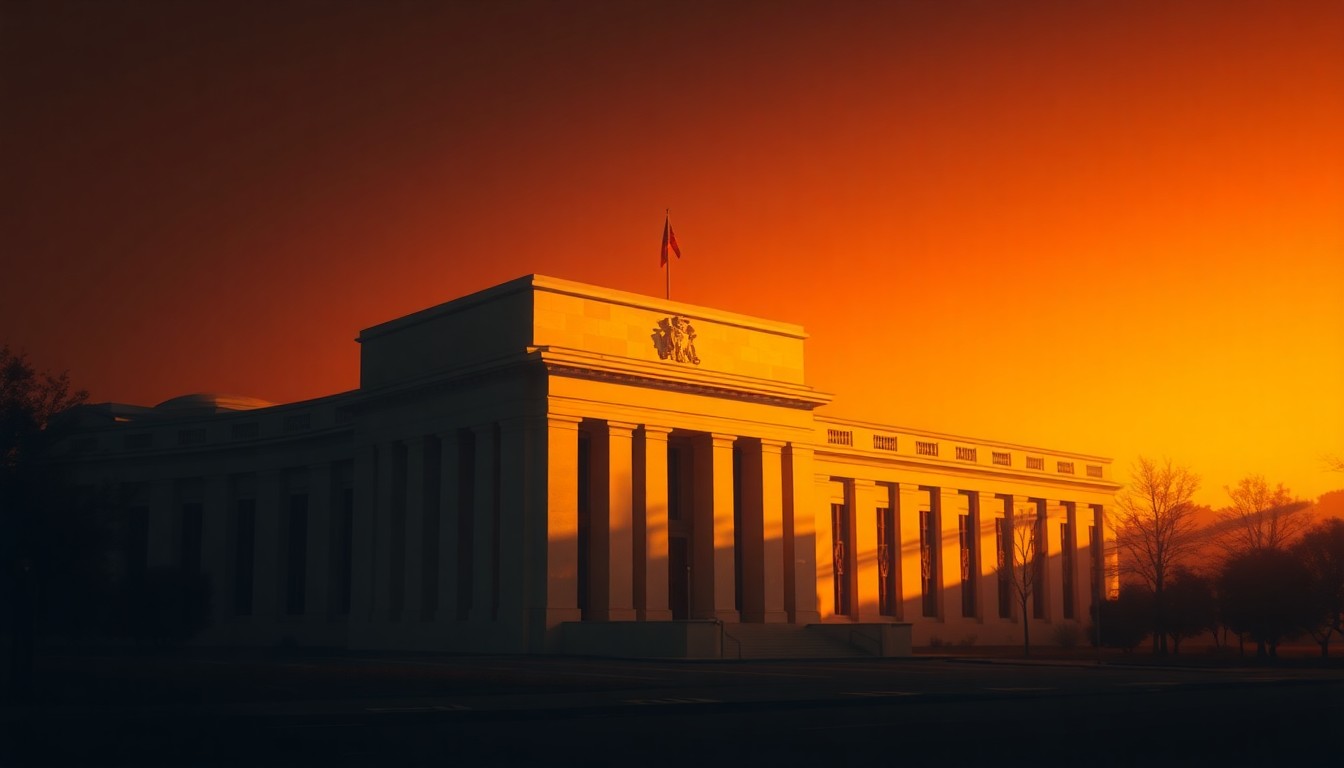 The nomination of a controversial Fed chair nominee raises questions about the central bank's independence and its ability to balance economic priorities.Washington Today
President Donald Trump has announced his intention to nominate former Federal Reserve governor Kevin Warsh as the next Fed chair, replacing Jerome Powell. Warsh's nomination comes at a time when the Fed faces pressure to cut benchmark interest rates to align with Trump's promise of a booming economy. However, Warsh's track record and views on issues like trade protectionism and inflation raise concerns about whether he can strike the right balance as Fed chair.
Why it matters
Warsh's nomination could reignite debates about the Fed's role in addressing broader economic challenges beyond just monetary policy. His alignment with Trump's economic beliefs also raises questions about the Fed's independence and its ability to make decisions free from political influence.
The details
Warsh, a former Fed governor who served from 2006 to 2011, is seen as embodying the traditional qualifications for leading the central bank. However, his nomination feels anything but conventional. Trump's demand for rate cuts to stimulate growth clashes with the Fed's dual mandate of controlling inflation and maximizing employment. Warsh's own track record suggests a more cautious approach, as he argued against aggressive rate cuts during the 2008 financial crisis and initially opposed the Fed's bond-buying program in 2011.
- In 2008, during the financial crisis, Warsh argued against aggressive rate cuts, fearing inflation.
- In 2011, Warsh initially opposed the Fed's $600 billion bond-buying program, though he ultimately voted in favor.
The players
Kevin Warsh
A former Federal Reserve governor who served from 2006 to 2011. Trump has nominated Warsh to be the next Fed chair, replacing Jerome Powell.
Donald Trump
The President of the United States who has nominated Warsh to lead the Federal Reserve, in an effort to align the central bank's policies with his promise of a booming economy.
Jerome Powell
The current Federal Reserve chair who Warsh would replace if confirmed.
Ben Bernanke
The former Federal Reserve chair who Warsh worked closely with during the Great Recession.
What’s next
The Senate will need to confirm Warsh's nomination before he can take over as the next Federal Reserve chair.
The takeaway
Warsh's nomination as the next Fed chair represents a high-stakes gamble, as he will need to navigate Trump's demands for rate cuts while also safeguarding the economy's long-term stability. His track record and views on key issues like trade and inflation raise concerns about the Fed's independence and its ability to make decisions free from political influence.
Washington top stories



Washington events

Apr. 14, 2026
Maisie Peters: Before The Bloom
Apr. 14, 2026
Whiskey & History: Lincoln Assassination
Apr. 14, 2026
Paul Anka