- Today
- Holidays
- Birthdays
- Reminders
- Cities
- Atlanta
- Austin
- Baltimore
- Berwyn
- Beverly Hills
- Birmingham
- Boston
- Brooklyn
- Buffalo
- Charlotte
- Chicago
- Cincinnati
- Cleveland
- Columbus
- Dallas
- Denver
- Detroit
- Fort Worth
- Houston
- Indianapolis
- Knoxville
- Las Vegas
- Los Angeles
- Louisville
- Madison
- Memphis
- Miami
- Milwaukee
- Minneapolis
- Nashville
- New Orleans
- New York
- Omaha
- Orlando
- Philadelphia
- Phoenix
- Pittsburgh
- Portland
- Raleigh
- Richmond
- Rutherford
- Sacramento
- Salt Lake City
- San Antonio
- San Diego
- San Francisco
- San Jose
- Seattle
- Tampa
- Tucson
- Washington
The Collapse of Bipartisanship in American Politics
Former Bush staffers lament the state of the Republican Congress as partisanship erodes the foundations of democracy.
Apr. 11, 2026 at 4:58pm
Got story updates? Submit your updates here. ›
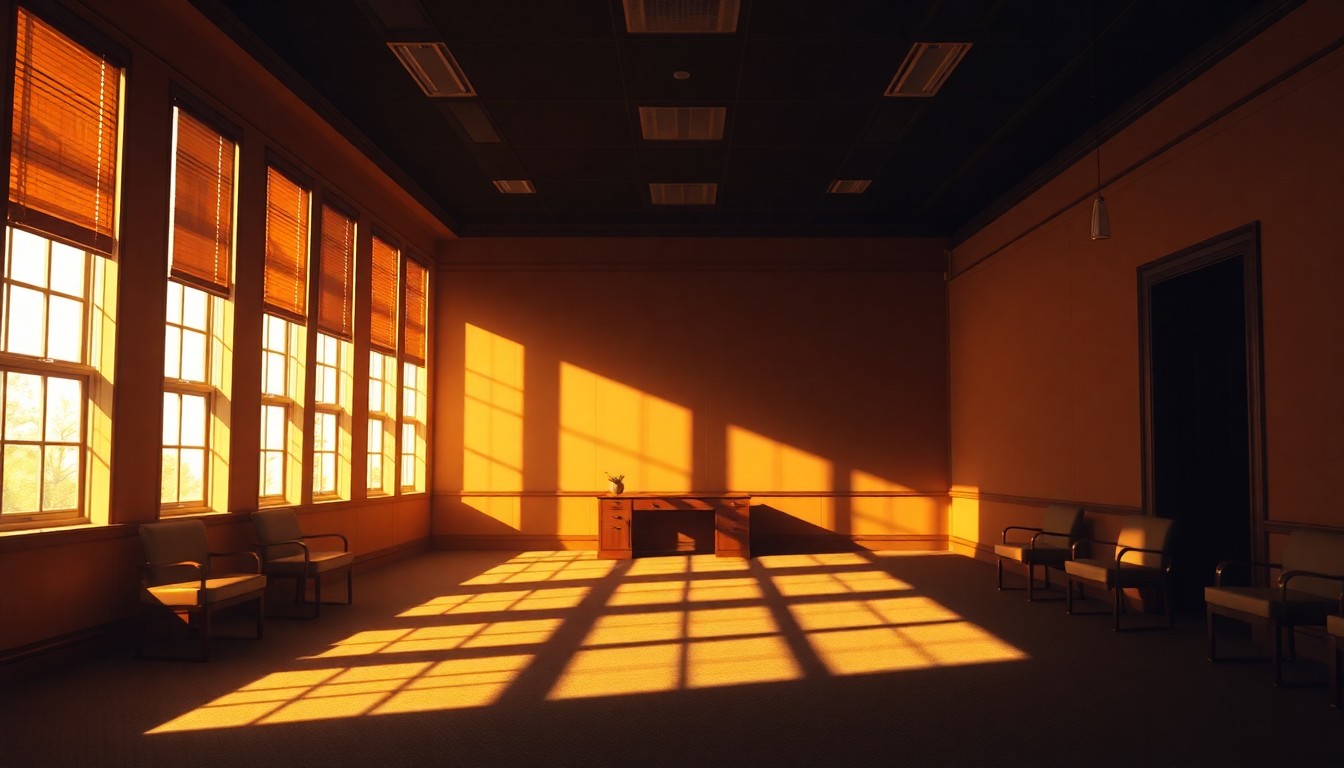 The once-vibrant halls of Congress now echo with the silence of partisan division, a stark contrast to the bipartisan spirit that once defined American governance.Washington Today
This article explores the alarming decline of bipartisanship in American politics, as evidenced by the sharp rise in party unity votes in Congress and the shrinking number of competitive swing states. The author, a former congressional staffer, argues that the primary system and the incentives it creates for ideological rigidity are largely to blame. They call for a cultural shift that moves beyond treating politics as a team sport and demands that leaders prioritize the common good over party loyalty.
Why it matters
The erosion of bipartisanship has profound implications for how politicians govern and the ability of Congress to address the country's pressing issues. As partisanship becomes more entrenched, the likelihood of compromise and collaboration across the aisle diminishes, threatening the foundations of American democracy.
The details
The article cites data showing that party unity votes in Congress have skyrocketed from less than 50% in the 1990s to over 85% in 2025, indicating a collapse in the willingness to reach across the aisle. The author argues that the primary system rewards extremism over moderation, incentivizing politicians to double down on division rather than seek common ground. The shrinking number of competitive swing states, from 30 in the 1990s to just 7 today, is another alarming trend that has reshaped how politicians campaign and govern.
- In 1990, party unity votes accounted for less than 50% of roll calls in the House and Senate.
- By 2025, that number had skyrocketed to 85.3%.
The players
Newt Gingrich
A former Republican Speaker of the House who is often credited (or blamed) for weaponizing partisanship, but who now admits that things have gone too far.
Roy Blunt
A former Republican Senator who observed that only seven states now decide U.S. elections, a stark reminder of how polarized the country has become.
Jean Becker
The longtime chief of staff to former President George W. Bush, who asked the rhetorical question, "What the hell happened to us?" in reference to the collapse of bipartisanship.
What they’re saying
“What the hell happened to us?”
— Jean Becker, Former Chief of Staff to President George W. Bush
“Bipartisanship isn't just about making nice with the other party. It's about recognizing that governance requires compromise.”
— Author, Former Congressional Staffer
What’s next
The author suggests that the solution to the collapse of bipartisanship will require a cultural shift, with citizens demanding that their leaders prioritize the common good over party loyalty. They also note that Newt Gingrich's recent efforts to find 'broadly supported' issues are a step in the right direction, but that his refusal to collaborate with Democrats feels like a missed opportunity.
The takeaway
The erosion of bipartisanship in American politics is a systemic issue that threatens the very foundations of democracy. Restoring a spirit of cooperation and compromise will require a fundamental rethinking of what it means to be a citizen and a leader in a democratic society.
Washington top stories


Washington events

Apr. 11, 2026
The Neighbourhood: THE WOURLD TOUR
Apr. 11, 2026
The Taylor Party: Taylor Swift Night