- Today
- Holidays
- Birthdays
- Reminders
- Cities
- Atlanta
- Austin
- Baltimore
- Berwyn
- Beverly Hills
- Birmingham
- Boston
- Brooklyn
- Buffalo
- Charlotte
- Chicago
- Cincinnati
- Cleveland
- Columbus
- Dallas
- Denver
- Detroit
- Fort Worth
- Houston
- Indianapolis
- Knoxville
- Las Vegas
- Los Angeles
- Louisville
- Madison
- Memphis
- Miami
- Milwaukee
- Minneapolis
- Nashville
- New Orleans
- New York
- Omaha
- Orlando
- Philadelphia
- Phoenix
- Pittsburgh
- Portland
- Raleigh
- Richmond
- Rutherford
- Sacramento
- Salt Lake City
- San Antonio
- San Diego
- San Francisco
- San Jose
- Seattle
- Tampa
- Tucson
- Washington
Judge Halts Trump's Plan for White House Ballroom
Lawsuit challenges president's authority to unilaterally alter historic landmark
Apr. 11, 2026 at 6:10am
Got story updates? Submit your updates here. ›
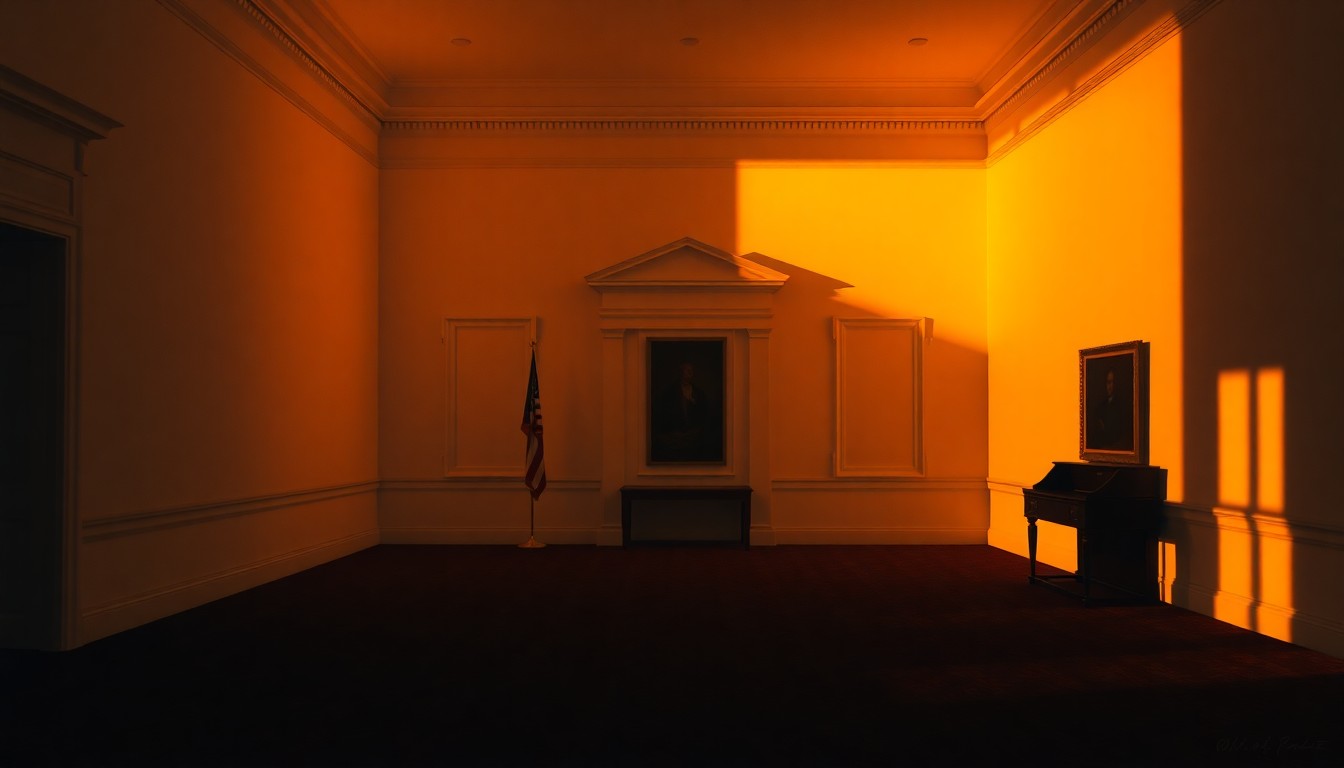 The legal battle over Trump's proposed White House ballroom project exposes tensions between presidential ambition and the public's ownership of this historic landmark.Washington Today
A federal judge has temporarily blocked former President Donald Trump's plan to build a $400 million, 1,350-seat ballroom in the East Wing of the White House. The National Trust for Historic Preservation filed a lawsuit arguing that Trump bypassed key legal steps, including seeking congressional approval, before moving forward with the project. The judge ruled that "the President is not the owner" of the White House, which is seen as a public trust, not a private residence.
Why it matters
This legal battle is about more than just a ballroom - it's a test of presidential power and the limits of what a president can unilaterally do to alter an iconic national landmark. The outcome could set an important precedent for future administrations and their plans for the White House.
The details
Trump's vision for the ballroom was framed as a gift to the nation, but the National Trust for Historic Preservation argued he failed to follow proper procedures, including filing plans with the National Capital Planning Commission and getting congressional approval. Judge Amit Mehta's temporary ruling halts the project, which had already begun with the demolition of the existing East Wing last fall.
- In October 2025, the Trump administration began demolishing the existing East Wing to make way for the new ballroom.
- On April 10, 2026, a federal judge issued a temporary injunction halting the ballroom project.
The players
Donald Trump
The former president who proposed the $400 million ballroom project as a legacy addition to the White House.
National Trust for Historic Preservation
The nonprofit organization that filed the lawsuit challenging Trump's authority to unilaterally alter the historic White House.
Judge Amit Mehta
The federal judge who issued the temporary injunction, ruling that "the President is not the owner" of the White House.
What they’re saying
“The President is not the owner! The White House is a national treasure that belongs to all Americans.”
— Judge Amit Mehta, U.S. District Judge
“This project is under budget, ahead of schedule, and being built at no cost to the taxpayer. The petty lawsuit should be dismissed.”
— Donald Trump
What’s next
The Trump administration has 14 days to appeal the judge's temporary injunction. If the project moves forward, it will set an important precedent about presidential power and the limits of what a president can unilaterally do to alter the historic White House.
The takeaway
This legal battle over Trump's White House ballroom highlights the tension between presidential ambition and the system of checks and balances designed to constrain executive power. The outcome could have lasting implications for how future administrations approach changes to this iconic national landmark.