- Today
- Holidays
- Birthdays
- Reminders
- Cities
- Atlanta
- Austin
- Baltimore
- Berwyn
- Beverly Hills
- Birmingham
- Boston
- Brooklyn
- Buffalo
- Charlotte
- Chicago
- Cincinnati
- Cleveland
- Columbus
- Dallas
- Denver
- Detroit
- Fort Worth
- Houston
- Indianapolis
- Knoxville
- Las Vegas
- Los Angeles
- Louisville
- Madison
- Memphis
- Miami
- Milwaukee
- Minneapolis
- Nashville
- New Orleans
- New York
- Omaha
- Orlando
- Philadelphia
- Phoenix
- Pittsburgh
- Portland
- Raleigh
- Richmond
- Rutherford
- Sacramento
- Salt Lake City
- San Antonio
- San Diego
- San Francisco
- San Jose
- Seattle
- Tampa
- Tucson
- Washington
Stocks Waver as Israel-Lebanon Tensions Threaten Iran Ceasefire
Investors remain cautious amid fragile hopes for peace talks and concerns over the Strait of Hormuz closure.
Apr. 10, 2026 at 1:22am
Got story updates? Submit your updates here. ›
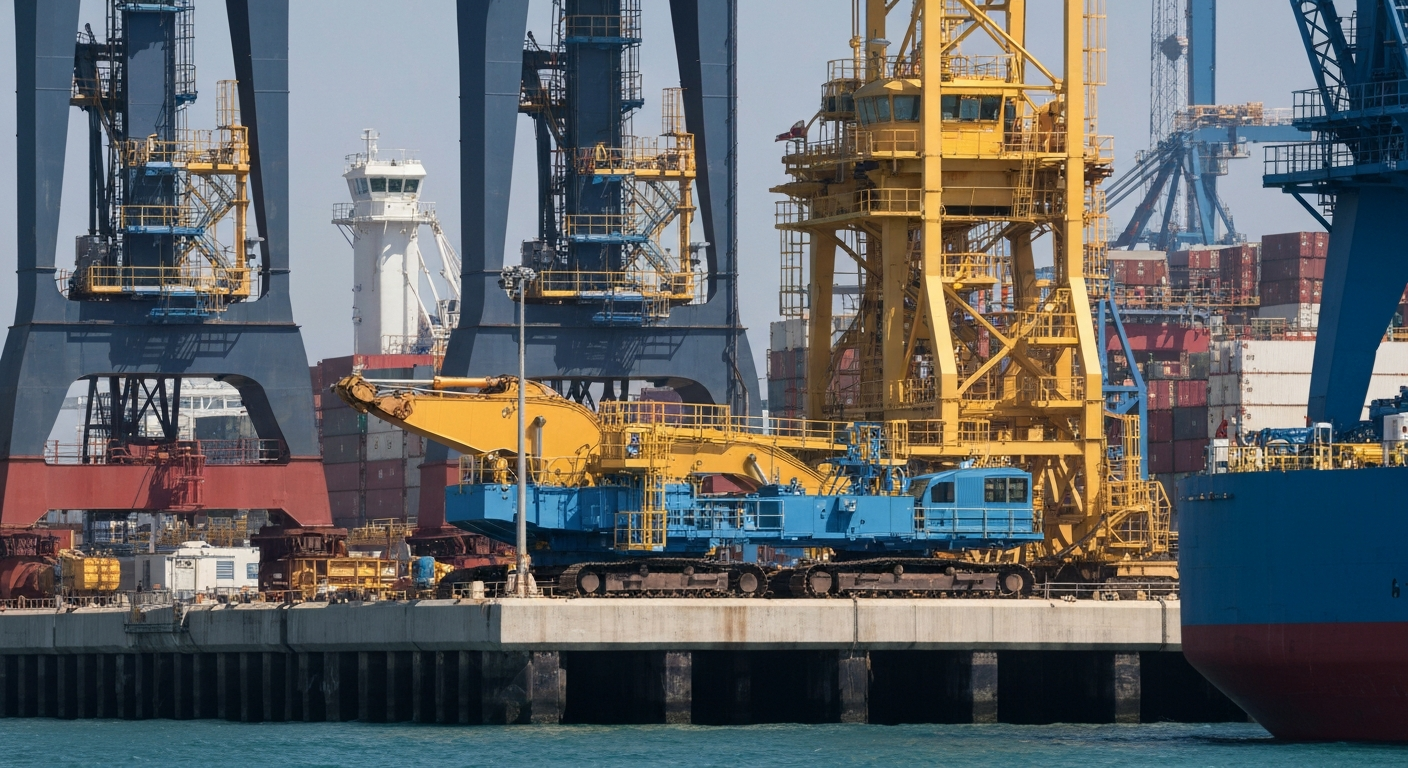 As tensions escalate, the closure of the Strait of Hormuz continues to disrupt global energy markets and supply chains.Washington Today
Asian stocks edged up early Friday, but gains were limited as traders questioned the durability of the recent U.S.-Iran ceasefire and remained wary of the fragile prospects for Israel-Lebanon peace talks. Investors were nervous as Iran cited Israel's ongoing attacks on Lebanon as a key sticking point in its agreement with the U.S. The closure of the Strait of Hormuz during the six-week Iran war also continued to weigh on markets.
Why it matters
The escalating tensions between Israel and Lebanon threaten to undermine the hard-won ceasefire between the U.S. and Iran, which had provided some relief to global markets. The closure of the Strait of Hormuz, a critical global shipping chokepoint, also continues to disrupt energy supplies and roil financial markets.
The details
MSCI's Asia-Pacific stock index gained 0.5%, led by a 1.9% jump in South Korea's Kospi. Japan's Nikkei 225 also rose 1.5%. However, the S&P 500 futures pared earlier losses to trade flat. Investors remain wary as Iran cited Israel's attacks on Lebanon as a sticking point in its ceasefire with the U.S. The closure of the Strait of Hormuz, which typically carries one-fifth of global oil and gas shipments, has sent shockwaves through global markets, with marine traffic well below 10% of normal volumes.
- On Thursday, Israeli Prime Minister Benjamin Netanyahu said he is seeking direct talks with Beirut, a day after the worst bombardment of the war killed more than 300 people in Lebanon.
- Hezbollah launched a missile at Israel on Thursday, triggering air raid sirens in parts of the country, including in Tel Aviv.
The players
Benjamin Netanyahu
The Prime Minister of Israel who said he is seeking direct talks with Beirut.
Hezbollah
The Lebanese Shia-Islamic political party and militant group that launched a missile at Israel on Thursday.
What they’re saying
“The U.S.-Iran ceasefire led to a sharp recovery in Asian markets but the risk-on sentiment got tested yesterday.”
— Rupal Agarwal, Asia quant strategist at Bernstein
“Iran was doing a 'very poor job' of allowing oil to pass through the strait. 'That is not the agreement we have!'”
— Donald Trump
What’s next
Investors will be closely watching for any developments in the Israel-Lebanon peace talks and the status of the U.S.-Iran ceasefire, as well as the impact on global energy markets from the continued closure of the Strait of Hormuz.
The takeaway
The fragile ceasefire between the U.S. and Iran is being tested by the escalating tensions between Israel and Lebanon, raising concerns about the durability of the market recovery and the potential for further disruptions to global energy supplies.
Washington top stories



Washington events
Apr. 10, 2026
The Wiz (Touring)
Apr. 10, 2026
Earlybirds Club 2000s Party
Apr. 10, 2026
The Neighbourhood: THE WOURLD TOUR