- Today
- Holidays
- Birthdays
- Reminders
- Cities
- Atlanta
- Austin
- Baltimore
- Berwyn
- Beverly Hills
- Birmingham
- Boston
- Brooklyn
- Buffalo
- Charlotte
- Chicago
- Cincinnati
- Cleveland
- Columbus
- Dallas
- Denver
- Detroit
- Fort Worth
- Houston
- Indianapolis
- Knoxville
- Las Vegas
- Los Angeles
- Louisville
- Madison
- Memphis
- Miami
- Milwaukee
- Minneapolis
- Nashville
- New Orleans
- New York
- Omaha
- Orlando
- Philadelphia
- Phoenix
- Pittsburgh
- Portland
- Raleigh
- Richmond
- Rutherford
- Sacramento
- Salt Lake City
- San Antonio
- San Diego
- San Francisco
- San Jose
- Seattle
- Tampa
- Tucson
- Washington
Record Surge in Gasoline Prices Fuels Inflation in March
Inflation expected to rise further in April as oil price shock ripples through economy
Apr. 10, 2026 at 3:24pm
Got story updates? Submit your updates here. ›
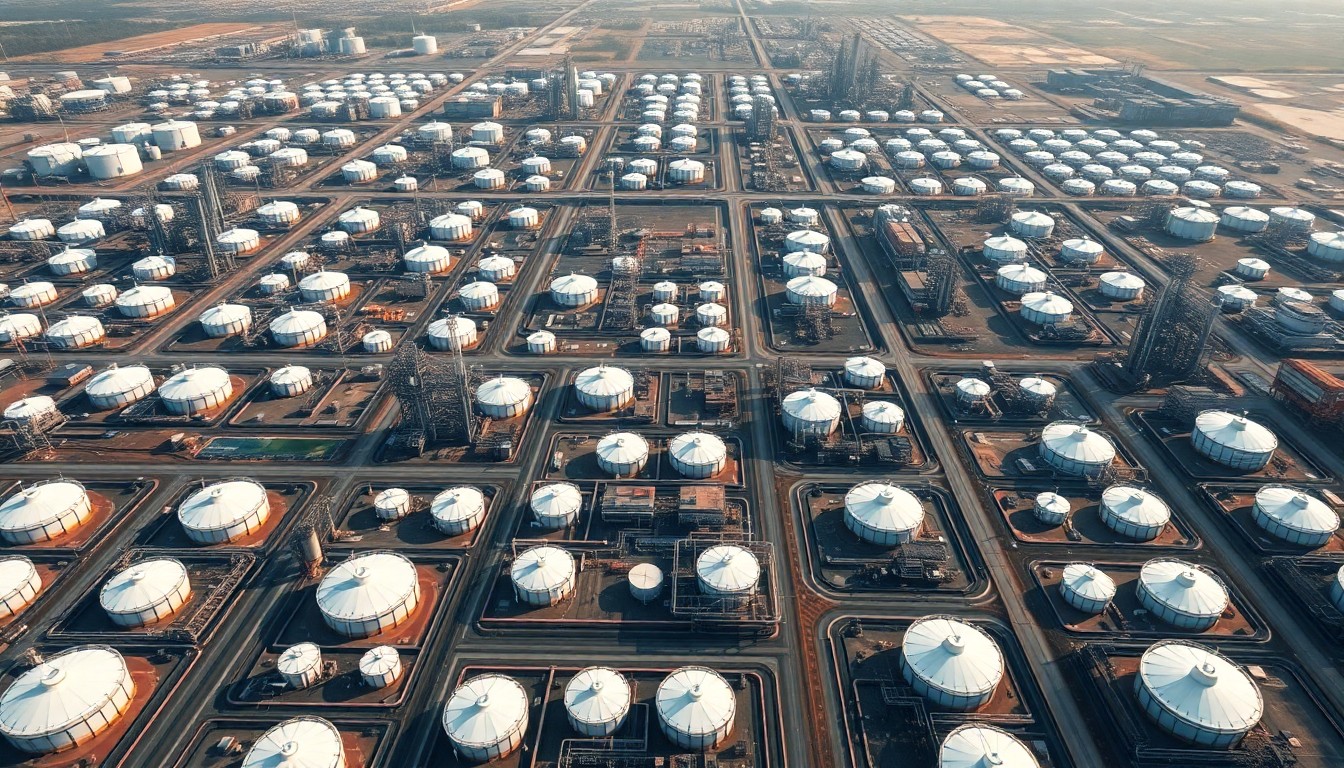 The record surge in gasoline and diesel prices driven by geopolitical conflict has delivered a direct inflationary shock to the U.S. economy, exposing the scale and interconnectedness of the global energy system.Washington Today
U.S. consumer prices increased by the most in nearly four years in March as the war with Iran led to a record surge in the cost of gasoline and diesel, dealing a blow to President Donald Trump whose approval ratings have been falling because of unhappiness over his handling of the economy. The Consumer Price Index jumped 0.9% last month, the largest increase since June 2022 when prices soared in response to the Russia-Ukraine war.
Why it matters
The surge in gasoline and diesel prices has raised concerns about the secondary effects of the oil price shock, which could lead to higher inflation in other areas of the economy such as airline fares, transportation costs, and the prices of goods made with petroleum-based products. This could put further pressure on consumer purchasing power and the overall economy.
The details
A record 21.2% jump in gasoline prices accounted for nearly three quarters of the monthly increase in the CPI. Other motor fuels, which include diesel, soared 30.8%, the largest rise since the government started tracking the series. The U.S.-Israeli war with Iran has sent global crude oil prices surging more than 30%, with the national average retail gasoline price breaking above $4 a gallon for the first time in more than three years.
- In the 12 months through March, the CPI advanced 3.3% after rising 2.4% in February.
- The Consumer Price Index jumped 0.9% last month, the largest increase since June 2022.
The players
Donald Trump
The President of the United States whose approval ratings have been falling due to unhappiness over his handling of the economy.
Christopher Rupkey
The chief economist at FWDBONDS who said "The economy has just taken a direct inflation hit as a result of the war in the Middle East." and warned that "every recession since the '70s has been preceded by an energy price shock."
Federal Reserve
The U.S. central bank that is expected to likely not cut interest rates this year due to the rising inflation.
What they’re saying
“The economy has just taken a direct inflation hit as a result of the war in the Middle East.”
— Christopher Rupkey, Chief Economist
“Every recession since the '70s has been preceded by an energy price shock, and if consumers thought there was a cost-of-living crisis before, get ready, as you haven't seen nothing yet.”
— Christopher Rupkey, Chief Economist
What’s next
Economists expect the secondary effects of the oil price shock to continue filtering through the economy in the months ahead, potentially leading to further increases in core inflation as higher energy costs impact areas like airline fares, transportation, and the prices of petroleum-based products.
The takeaway
The surge in gasoline and diesel prices driven by the U.S.-Iran conflict has delivered a significant inflationary shock to the U.S. economy, raising concerns about the broader impact on consumer purchasing power and the potential for the Federal Reserve to raise interest rates further to combat rising inflation.
Washington top stories



Washington events

Apr. 10, 2026
The Wiz (Touring)
Apr. 10, 2026
Earlybirds Club 2000s Party
Apr. 10, 2026
The Neighbourhood: THE WOURLD TOUR