- Today
- Holidays
- Birthdays
- Reminders
- Cities
- Atlanta
- Austin
- Baltimore
- Berwyn
- Beverly Hills
- Birmingham
- Boston
- Brooklyn
- Buffalo
- Charlotte
- Chicago
- Cincinnati
- Cleveland
- Columbus
- Dallas
- Denver
- Detroit
- Fort Worth
- Houston
- Indianapolis
- Knoxville
- Las Vegas
- Los Angeles
- Louisville
- Madison
- Memphis
- Miami
- Milwaukee
- Minneapolis
- Nashville
- New Orleans
- New York
- Omaha
- Orlando
- Philadelphia
- Phoenix
- Pittsburgh
- Portland
- Raleigh
- Richmond
- Rutherford
- Sacramento
- Salt Lake City
- San Antonio
- San Diego
- San Francisco
- San Jose
- Seattle
- Tampa
- Tucson
- Washington
Inflation Projected to Spike as Gas Prices Soar
Rising fuel costs could push consumer prices up by most in nearly four years, complicating the Fed's inflation fight
Apr. 10, 2026 at 9:18am
Got story updates? Submit your updates here. ›
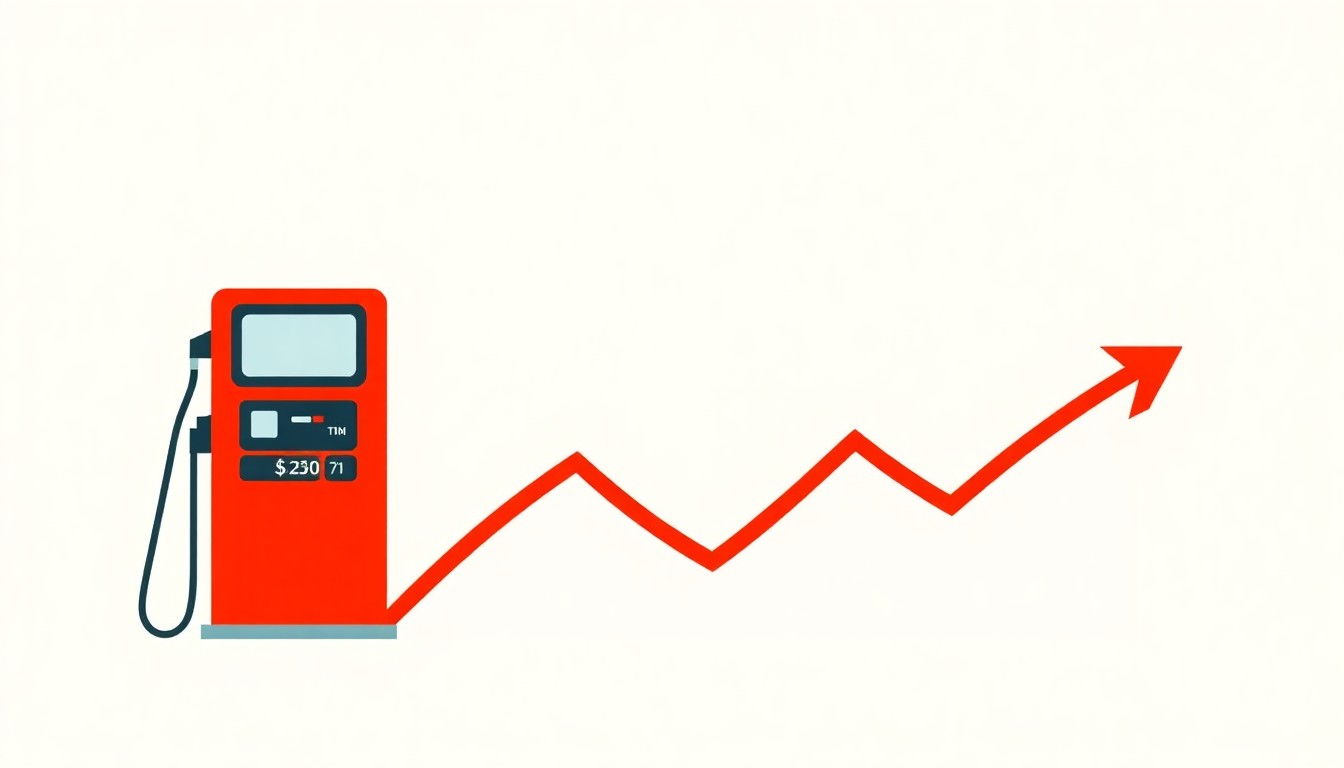 Soaring fuel costs drive a sharp spike in consumer prices, testing the Federal Reserve's inflation-fighting resolve.Washington Today
Economists forecast that inflation likely rose to 3.4% in March compared to a year ago, a sharp increase from February's 2.4% rise. The expected 0.9% monthly increase would be the largest since 2022, driven by soaring gas prices that have jumped about 20% in March alone. The surge in energy costs could create a broader inflationary shock, though economists say the job market and consumer spending are weaker compared to the pandemic-era inflation spike.
Why it matters
The jump in inflation will put pressure on the Federal Reserve to continue raising interest rates to combat rising prices, even as higher gas and energy costs could also slow economic growth. The political impact of surging inflation also poses challenges for the White House as it grapples with the economic fallout from the recent Iran conflict.
The details
Excluding volatile food and energy categories, core prices are projected to have risen 2.7% in March from a year earlier, up from 2.5% in February. From February to March, core prices are expected to have risen 0.3%, a faster pace than is consistent with the Fed's 2% inflation target. Economists say the impact will likely be concentrated in energy-intensive industries like airlines and public transportation, though higher fuel costs could also feed through to grocery prices in the coming months.
- Gas prices averaged $4.17 per gallon nationwide on Thursday, April 6, 2026, up 69 cents from a month ago.
- The government is scheduled to report consumer prices for March on Friday, April 11, 2026.
The players
Federal Reserve
The U.S. central bank that is responsible for setting monetary policy and fighting inflation. The Fed is expected to continue raising interest rates in response to the projected spike in inflation.
White House
The executive branch of the U.S. government, which will face political challenges from surging inflation as it grapples with the economic fallout from the recent Iran conflict.
Michael Metcalfe
Head of macro strategy at State Street, which produces PriceStats, a measure of inflation based on online prices. Metcalfe expects inflation could leap by 1.5% just in March from February.
Alan Detmeister
An economist at UBS who believes the better comparison for the current inflation spike will likely be to 1990-91, when higher oil and gas prices stemming from Iraq's invasion of Kuwait contributed to a recession but didn't lead to a jump in inflation due to weaker consumer spending.
What they’re saying
“There is going to be a headline sticker shock here.”
— Michael Metcalfe, Head of macro strategy, State Street
“That's where this really differs, is that we aren't seeing anywhere near the strength of demand.”
— Alan Detmeister, Economist, UBS
What’s next
The Federal Reserve is expected to keep its key interest rate unchanged in the coming months as it evaluates the evolving economic situation, with investors not expecting any rate cuts until late 2027.
The takeaway
The sharp rise in inflation driven by soaring gas prices poses a significant challenge for the Federal Reserve as it seeks to balance its dual mandate of price stability and maximum employment. The political impact of surging costs for consumers also creates difficulties for the White House, underscoring the complex economic landscape facing policymakers.
Washington top stories



Washington events
Apr. 10, 2026
The Wiz (Touring)
Apr. 10, 2026
Earlybirds Club 2000s Party
Apr. 10, 2026
The Neighbourhood: THE WOURLD TOUR