- Today
- Holidays
- Birthdays
- Reminders
- Cities
- Atlanta
- Austin
- Baltimore
- Berwyn
- Beverly Hills
- Birmingham
- Boston
- Brooklyn
- Buffalo
- Charlotte
- Chicago
- Cincinnati
- Cleveland
- Columbus
- Dallas
- Denver
- Detroit
- Fort Worth
- Houston
- Indianapolis
- Knoxville
- Las Vegas
- Los Angeles
- Louisville
- Madison
- Memphis
- Miami
- Milwaukee
- Minneapolis
- Nashville
- New Orleans
- New York
- Omaha
- Orlando
- Philadelphia
- Phoenix
- Pittsburgh
- Portland
- Raleigh
- Richmond
- Rutherford
- Sacramento
- Salt Lake City
- San Antonio
- San Diego
- San Francisco
- San Jose
- Seattle
- Tampa
- Tucson
- Washington
China Plays Key Role in Brokering Iran Ceasefire Ahead of Trump's China Visit
Beijing leverages its influence to urge Iran back to the negotiating table as the U.S. and Iran agree to a temporary truce.
Apr. 10, 2026 at 5:18am
Got story updates? Submit your updates here. ›
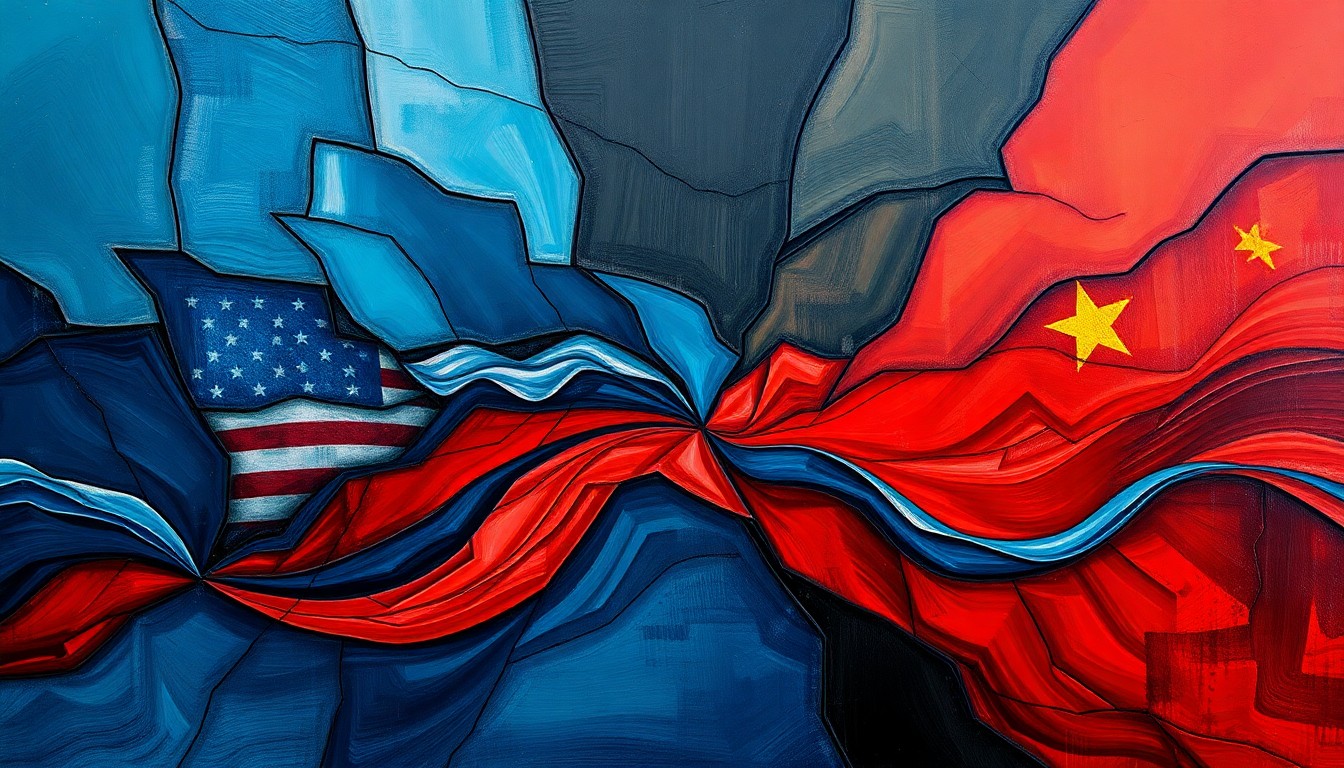 China's diplomatic maneuvering to broker a ceasefire between the U.S. and Iran reflects its growing influence and desire to shape Middle East dynamics.Washington Today
With a fragile ceasefire agreement between the U.S. and Iran holding for now, China is calculating its role in helping find a durable endgame to the war in the Middle East. China, the biggest purchaser of Iranian oil, used its leverage to urge the Iranians back to the negotiating table, according to diplomats familiar with the behind-the-scenes efforts. The precarious truce has put China in a position to potentially play a deeper role in diplomacy as it weighs the impact a long-lasting war could have on the global economy.
Why it matters
China's involvement in brokering the Iran ceasefire is a major moment for Beijing, which had previously decried the U.S. and Israel's war against its economic partner Iran. China's efforts to mediate the conflict could boost its global standing and strengthen its hand in negotiating trade issues during President Trump's upcoming visit. However, China is also wary of expending too much leverage and is primarily focused on protecting its own economic interests, which are threatened by the closure of the Strait of Hormuz.
The details
Three diplomats confirmed that Beijing, the biggest purchaser of Iranian oil, used its leverage to urge the Iranians back to the negotiating table. China does not appear interested in providing guarantees for Iran's long-term security as part of a deal to end hostilities, something Tehran has hoped for. Chinese officials are cognizant that a lasting war threatens to have a real impact on Beijing's bottom line, as the blockade of the Strait of Hormuz is already putting pressure on the Chinese economy.
- The ceasefire agreement between the U.S. and Iran was reached this week.
- Talks between the sides are expected to begin in Pakistan this weekend.
- President Trump's visit to China was originally scheduled for this month but was pushed back so he could oversee the U.S. bombardment of Iran.
The players
China
The biggest purchaser of Iranian oil, China used its leverage to urge the Iranians back to the negotiating table to help broker a temporary ceasefire between the U.S. and Iran.
President Donald Trump
The U.S. president, who will likely underscore China's economic interests during the Strait of Hormuz blockade when he meets with Chinese President Xi Jinping next month.
President Xi Jinping
The Chinese president, who is approaching the moment carefully as China calculates its next steps in the Iran conflict.
What they’re saying
“Beijing is not in the business of expending its leverage as a favor to others or for the greater good.”
— Danny Russel, Former senior diplomat in President Barack Obama's administration
“That the United States and Iran have at least temporarily edged away from the precipice of a catastrophic escalation owes in part to China's support for the ceasefire that Pakistan brokered.”
— Ali Wyne, Senior research and advocacy adviser for U.S.-China relations at the International Crisis Group
What’s next
Talks between the U.S., Iran, and other parties are expected to begin in Pakistan this weekend to try to negotiate a more durable peace agreement.
The takeaway
China's involvement in brokering the Iran ceasefire represents a significant shift, as Beijing seeks to play a more active role in Middle East diplomacy to protect its economic interests. However, China remains cautious about expending too much leverage and is primarily focused on safeguarding its own position, rather than acting as a neutral arbiter.
Washington top stories



Washington events

Apr. 12, 2026
Washington Capitals VIP Tickets: 04/12/26
Apr. 12, 2026
Glen Hansard