- Today
- Holidays
- Birthdays
- Reminders
- Cities
- Atlanta
- Austin
- Baltimore
- Berwyn
- Beverly Hills
- Birmingham
- Boston
- Brooklyn
- Buffalo
- Charlotte
- Chicago
- Cincinnati
- Cleveland
- Columbus
- Dallas
- Denver
- Detroit
- Fort Worth
- Houston
- Indianapolis
- Knoxville
- Las Vegas
- Los Angeles
- Louisville
- Madison
- Memphis
- Miami
- Milwaukee
- Minneapolis
- Nashville
- New Orleans
- New York
- Omaha
- Orlando
- Philadelphia
- Phoenix
- Pittsburgh
- Portland
- Raleigh
- Richmond
- Rutherford
- Sacramento
- Salt Lake City
- San Antonio
- San Diego
- San Francisco
- San Jose
- Seattle
- Tampa
- Tucson
- Washington
Trump Confirms CIA's 'Ghost Murmur' Tool Was Key to Airman Rescue in Iran
Experts debate the futuristic technology's capabilities as the administration touts its importance.
Apr. 8, 2026 at 10:22pm
Got story updates? Submit your updates here. ›
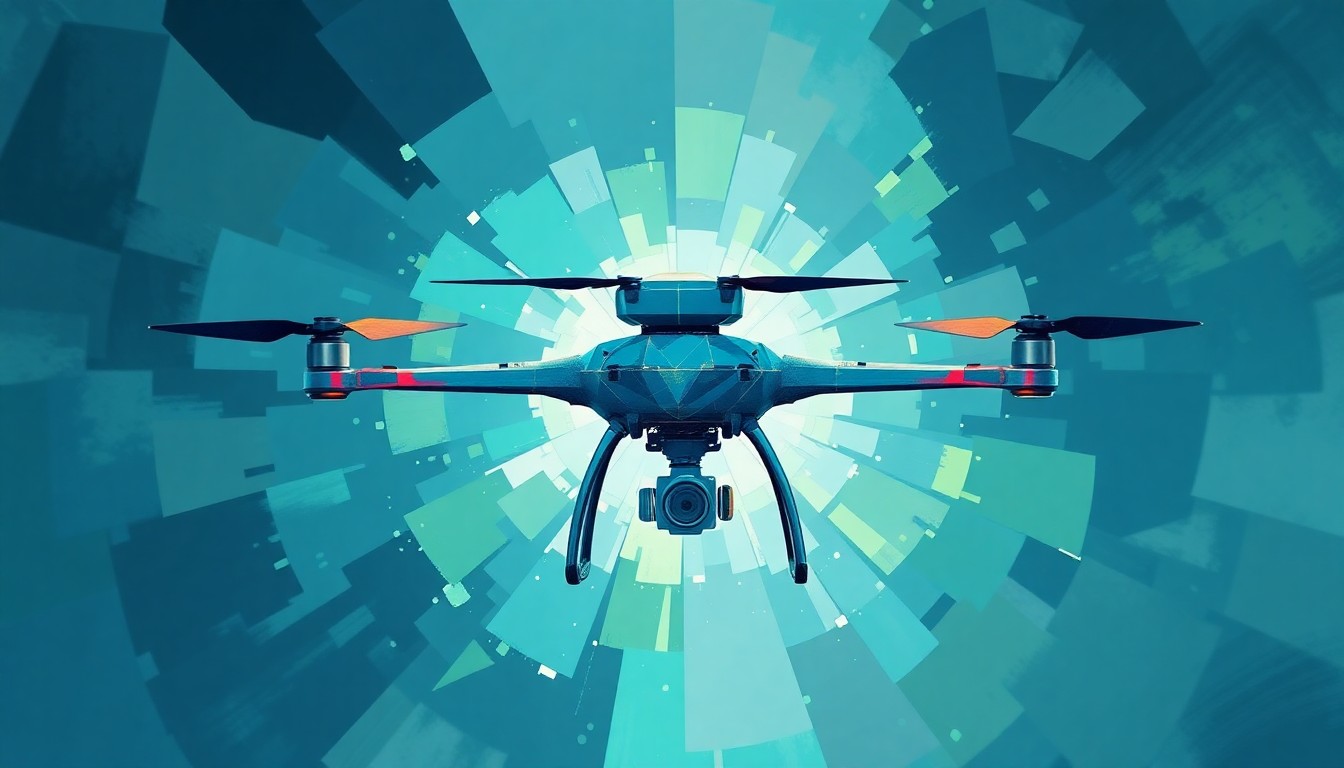 An illustration of the futuristic 'Ghost Murmur' sensor technology that may have enabled the CIA to locate a downed U.S. airman in Iran from a distance.Washington Today
President Trump revealed that the CIA's secret 'Ghost Murmur' tool was crucial in locating and rescuing a downed U.S. airman in Iran over the weekend. However, leading physicists and engineers remain skeptical about the tool's ability to detect heartbeats from long distances, with many questioning the feasibility of such advanced magnetometry technology.
Why it matters
The successful rescue mission and the administration's claims about the 'Ghost Murmur' tool have sparked intense debate within the scientific community about the potential breakthroughs in quantum sensing and magnetometry that could enable remote detection of human vital signs. This raises questions about the national security implications of such futuristic surveillance capabilities.
The details
According to Trump, the CIA's new 'Ghost Murmur' tool was 'very important' in locating the missing airman in Iran. However, experts say the tool's reported ability to detect a heartbeat from miles away would represent a massive scientific leap, as current magnetometry technologies can only detect such signals at close range. Some believe the tool may have actually worked in tandem with the airman's rescue beacon, or that it could have detected his movements rather than just his heartbeat.
- The rescue mission took place over the weekend in Iran.
- Trump discussed the 'Ghost Murmur' tool in a phone interview with The Post on Wednesday.
The players
President Trump
The President of the United States who confirmed the importance of the CIA's 'Ghost Murmur' tool in the rescue mission.
John Ratcliffe
The Director of the CIA who alluded to the use of secret technology in the rescue operation.
Thad Walker
A physics professor at the University of Wisconsin-Madison who expressed skepticism about the tool's reported capabilities.
Patrick Maletinsky
The chairman of the physics department at the University of Basel who said publicly known technologies can only detect heartbeats at short distances.
Chris Duncan
An engineering doctoral graduate who has worked with the intelligence community and believes the 'Ghost Murmur' tool could have a maximum detection distance of a few miles.
What they’re saying
“Nobody even knows what it is. Nobody ever heard of it before.”
— President Trump
“If such a system were to exist, it would represent a breakthrough far beyond anything reported in the scientific literature.”
— Patrick Maletinsky, Chairman of the Physics Department, University of Basel
“It's just a matter of how well they filter out all the noise.”
— Chris Duncan, Engineering Doctoral Graduate, Capitol Technology University
What’s next
The scientific community will continue to debate the feasibility and potential implications of the 'Ghost Murmur' tool, as more details about its technology and capabilities emerge.
The takeaway
The successful rescue mission and the administration's claims about the 'Ghost Murmur' tool have sparked intense debate within the scientific community about the potential breakthroughs in quantum sensing and magnetometry that could enable remote detection of human vital signs, raising questions about the national security implications of such futuristic surveillance capabilities.
Washington top stories



Washington events
Apr. 8, 2026
The Wiz (Touring)
Apr. 8, 2026
Cardi B - Little Miss Drama Tour
Apr. 9, 2026
Wizards v Bulls