- Today
- Holidays
- Birthdays
- Reminders
- Cities
- Atlanta
- Austin
- Baltimore
- Berwyn
- Beverly Hills
- Birmingham
- Boston
- Brooklyn
- Buffalo
- Charlotte
- Chicago
- Cincinnati
- Cleveland
- Columbus
- Dallas
- Denver
- Detroit
- Fort Worth
- Houston
- Indianapolis
- Knoxville
- Las Vegas
- Los Angeles
- Louisville
- Madison
- Memphis
- Miami
- Milwaukee
- Minneapolis
- Nashville
- New Orleans
- New York
- Omaha
- Orlando
- Philadelphia
- Phoenix
- Pittsburgh
- Portland
- Raleigh
- Richmond
- Rutherford
- Sacramento
- Salt Lake City
- San Antonio
- San Diego
- San Francisco
- San Jose
- Seattle
- Tampa
- Tucson
- Washington
South Korea Welcomes U.S.-Iran Ceasefire, Eyes Hormuz Risks
Seoul says agreement could pave way for resumption of shipping through strategic waterway, but uncertainty remains.
Apr. 8, 2026 at 11:11pm
Got story updates? Submit your updates here. ›
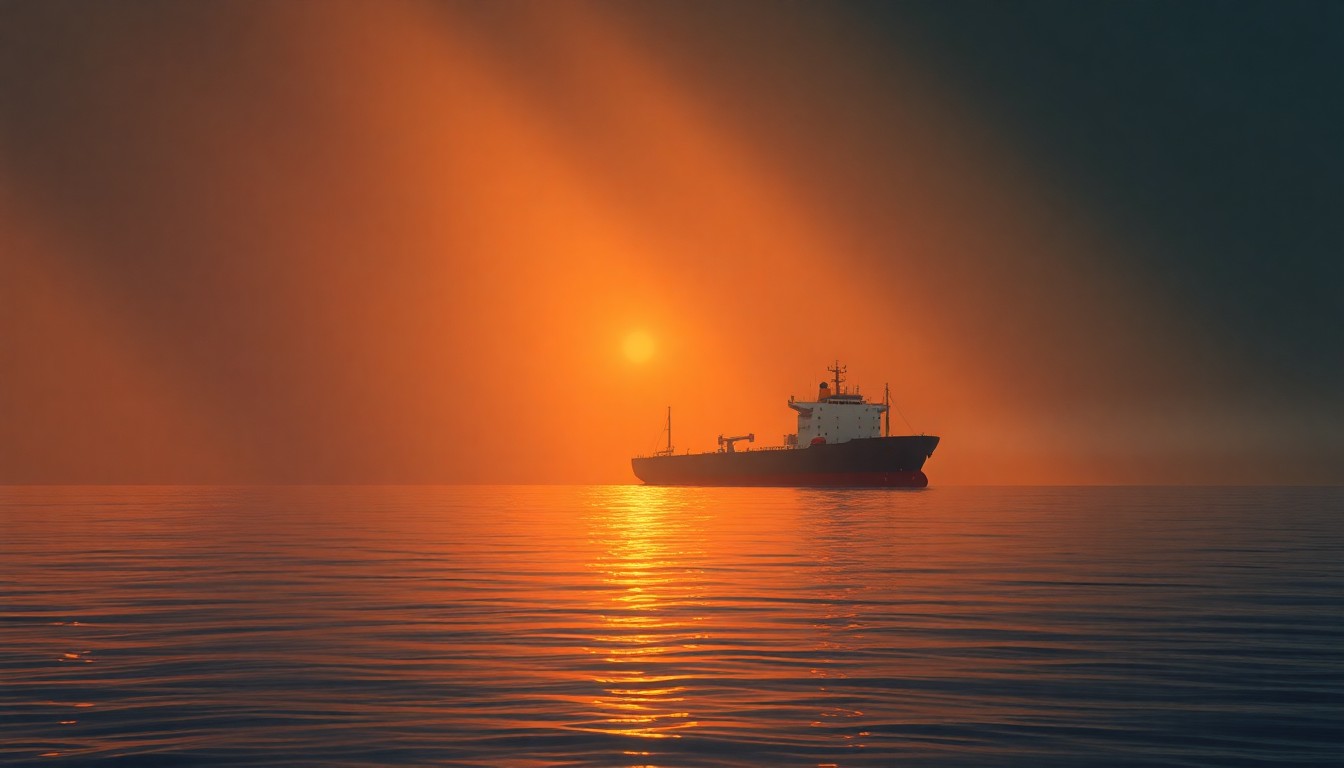 As tensions over maritime security in the Strait of Hormuz remain, a fragile ceasefire between the U.S. and Iran offers a glimmer of hope for the safe passage of oil tankers through the strategic waterway.Washington Today
South Korea has welcomed a ceasefire agreement between the United States and Iran, saying it could create an opportunity to resume navigation through the Strait of Hormuz, a critical shipping route for the country's oil imports. However, Seoul also warned that risks and uncertainties remain, as Iran may continue to impose transit fees even during a ceasefire, and the long-term resolution of the conflict is still unclear.
Why it matters
The Strait of Hormuz is a strategically important waterway, with about 70% of South Korea's crude oil imports passing through it. The tensions between the U.S. and Iran have disrupted shipping in the region, posing a significant economic and security challenge for Seoul. The ceasefire agreement represents a potential turning point, but South Korea is closely monitoring the situation to ensure the safe and swift passage of vessels through the strait.
The details
The South Korean government has welcomed the ceasefire agreement between the U.S. and Iran, announced by President Donald Trump, as it could pave the way for the resumption of shipping through the Strait of Hormuz. However, analysts warn that the agreement may only usher in a period of fragile stability, and uncertainty remains over whether it will lead to a lasting resolution. Iran has signaled it may continue to impose transit fees even during a ceasefire, which could become a serious issue for South Korea if the U.S. agrees to or tolerates it.
- The ceasefire agreement was announced by President Donald Trump.
- The South Korean government's comments on the ceasefire agreement were made on March 31.
The players
Park Il
A spokesperson for South Korea's foreign ministry.
Seong Il-gwang
A professor at Sogang University who commented on the potential issues with Iran's transit fees.
Park Won Gon
An analyst from Ewha Womans University who said the issue could shift from a U.S.-Iran dispute to one involving multiple countries, including South Korea.
What they’re saying
“We welcome the ceasefire agreement between the United States and Iran, which has created an opportunity to resume navigation in the Strait of Hormuz.”
— Park Il, Spokesperson for South Korea's foreign ministry
“If the United States agreed to or tolerated that, it could become a serious issue.”
— Seong Il-gwang, Professor at Sogang University
“If the United States disengages, the issue could shift from a U.S.-Iran dispute to one involving multiple countries, including South Korea.”
— Park Won Gon, Analyst from Ewha Womans University
What’s next
The South Korean government said it will develop its approach by weighing vessel safety, shipping industry concerns, regional security conditions and diplomatic coordination, while remaining cautious about direct bilateral negotiations with Iran. A recent virtual meeting of foreign ministers from about 40 countries, led by the United Kingdom, discussed coordinated responses to transit fees and potential sanctions cooperation, signaling broader international alignment.
The takeaway
The ceasefire agreement between the U.S. and Iran represents a potential turning point for the Strait of Hormuz, a critical shipping route for South Korea's oil imports. However, uncertainties remain, as Iran may continue to impose transit fees and the long-term resolution of the conflict is still unclear. South Korea is pursuing a cautious, multi-faceted approach to ensure the safe passage of vessels through the strait and address the broader regional security challenges.
Washington top stories



Washington events

Apr. 10, 2026
The Wiz (Touring)
Apr. 10, 2026
Earlybirds Club 2000s Party
Apr. 10, 2026
The Neighbourhood: THE WOURLD TOUR