- Today
- Holidays
- Birthdays
- Reminders
- Cities
- Atlanta
- Austin
- Baltimore
- Berwyn
- Beverly Hills
- Birmingham
- Boston
- Brooklyn
- Buffalo
- Charlotte
- Chicago
- Cincinnati
- Cleveland
- Columbus
- Dallas
- Denver
- Detroit
- Fort Worth
- Houston
- Indianapolis
- Knoxville
- Las Vegas
- Los Angeles
- Louisville
- Madison
- Memphis
- Miami
- Milwaukee
- Minneapolis
- Nashville
- New Orleans
- New York
- Omaha
- Orlando
- Philadelphia
- Phoenix
- Pittsburgh
- Portland
- Raleigh
- Richmond
- Rutherford
- Sacramento
- Salt Lake City
- San Antonio
- San Diego
- San Francisco
- San Jose
- Seattle
- Tampa
- Tucson
- Washington
US Military Consumed Nearly 1M Gallons of Coffee During Iran War
Pentagon reveals staggering caffeine and nicotine consumption during conflict
Apr. 8, 2026 at 9:22pm
Got story updates? Submit your updates here. ›
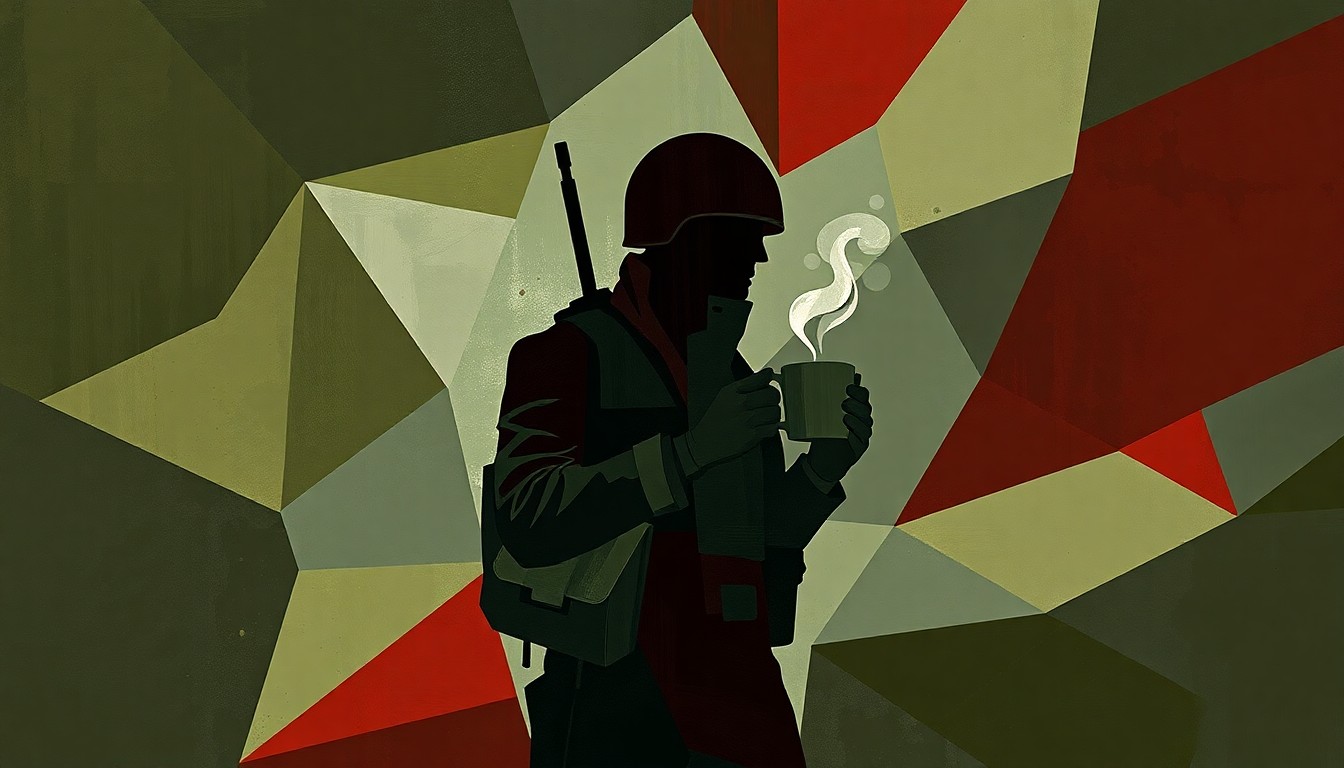 The Pentagon's data on the military's massive caffeine and nicotine consumption during the Iran war reflects the extreme physical and mental demands placed on U.S. troops.Washington Today
The U.S. military consumed over 950,000 gallons of coffee, 2 million energy drinks, and a significant amount of nicotine during the recent Iran war, according to Pentagon officials. The statistics highlight the intense physical demands placed on troops during the conflict.
Why it matters
The Pentagon's disclosure of the military's caffeine and nicotine consumption provides insight into the grueling conditions faced by U.S. forces during the Iran war. It underscores the immense physical and psychological toll the conflict took on personnel, raising questions about troop welfare and readiness.
The details
During a press briefing, Gen. Dan Caine, Chairman of the Joint Chiefs of Staff, stated that the U.S. military consumed over 950,000 gallons of coffee, 2 million energy drinks, and a 'whole lot of nicotine' during Operation Fury against Iran. Caine noted that these statistics do not fully capture the chaotic and unpredictable nature of combat, saying 'It's chaotic. It's hot. It's dark. It's unpredictable and there's always unknowns.'
- The Pentagon's disclosure came a day after President Trump announced a ceasefire deal had been reached with Iran.
The players
Gen. Dan Caine
Chairman of the Joint Chiefs of Staff, who provided the details on the military's caffeine and nicotine consumption during the Iran war.
Pete Hegseth
U.S. Defense Secretary, who stated that American and Israeli forces had achieved a 'capital V military victory' and that the Iranian military no longer posed a significant threat.
Karoline Leavitt
White House press secretary, who demanded that Iran reopen the Strait of Hormuz, which it had closed in response to Israeli attacks in Lebanon.
What they’re saying
“But I am not saying we have a problem. It does not truly capture the nature of combat. This is gritty and unforgiving business.”
— Gen. Dan Caine, Chairman of the Joint Chiefs of Staff
“It's chaotic. It's hot. It's dark. It's unpredictable and there's always unknowns. And our people proudly walked into those unknown and continue forward.”
— Gen. Dan Caine, Chairman of the Joint Chiefs of Staff
What’s next
The White House has demanded that Iran reopen the Strait of Hormuz, which it had closed in response to Israeli attacks in Lebanon. The ceasefire deal between the U.S. and Iran appears to be hanging by a thread as the two sides present vastly different visions of the terms.
The takeaway
The Pentagon's disclosure of the military's massive caffeine and nicotine consumption during the Iran war highlights the immense physical and psychological toll the conflict took on U.S. forces. It raises concerns about troop welfare and readiness, and underscores the need for better support and resources for personnel operating in such demanding and unpredictable combat environments.
Washington top stories


Washington events
Apr. 8, 2026
The Wiz (Touring)
Apr. 8, 2026
Cardi B - Little Miss Drama Tour
Apr. 9, 2026
Wizards v Bulls