- Today
- Holidays
- Birthdays
- Reminders
- Cities
- Atlanta
- Austin
- Baltimore
- Berwyn
- Beverly Hills
- Birmingham
- Boston
- Brooklyn
- Buffalo
- Charlotte
- Chicago
- Cincinnati
- Cleveland
- Columbus
- Dallas
- Denver
- Detroit
- Fort Worth
- Houston
- Indianapolis
- Knoxville
- Las Vegas
- Los Angeles
- Louisville
- Madison
- Memphis
- Miami
- Milwaukee
- Minneapolis
- Nashville
- New Orleans
- New York
- Omaha
- Orlando
- Philadelphia
- Phoenix
- Pittsburgh
- Portland
- Raleigh
- Richmond
- Rutherford
- Sacramento
- Salt Lake City
- San Antonio
- San Diego
- San Francisco
- San Jose
- Seattle
- Tampa
- Tucson
- Washington
Fed Wrestles With Conflicting Economic Scenarios Amid Iran War
Central bank officials see dual-sided risks from the conflict's impact on the US economy.
Apr. 8, 2026 at 7:42pm
Got story updates? Submit your updates here. ›
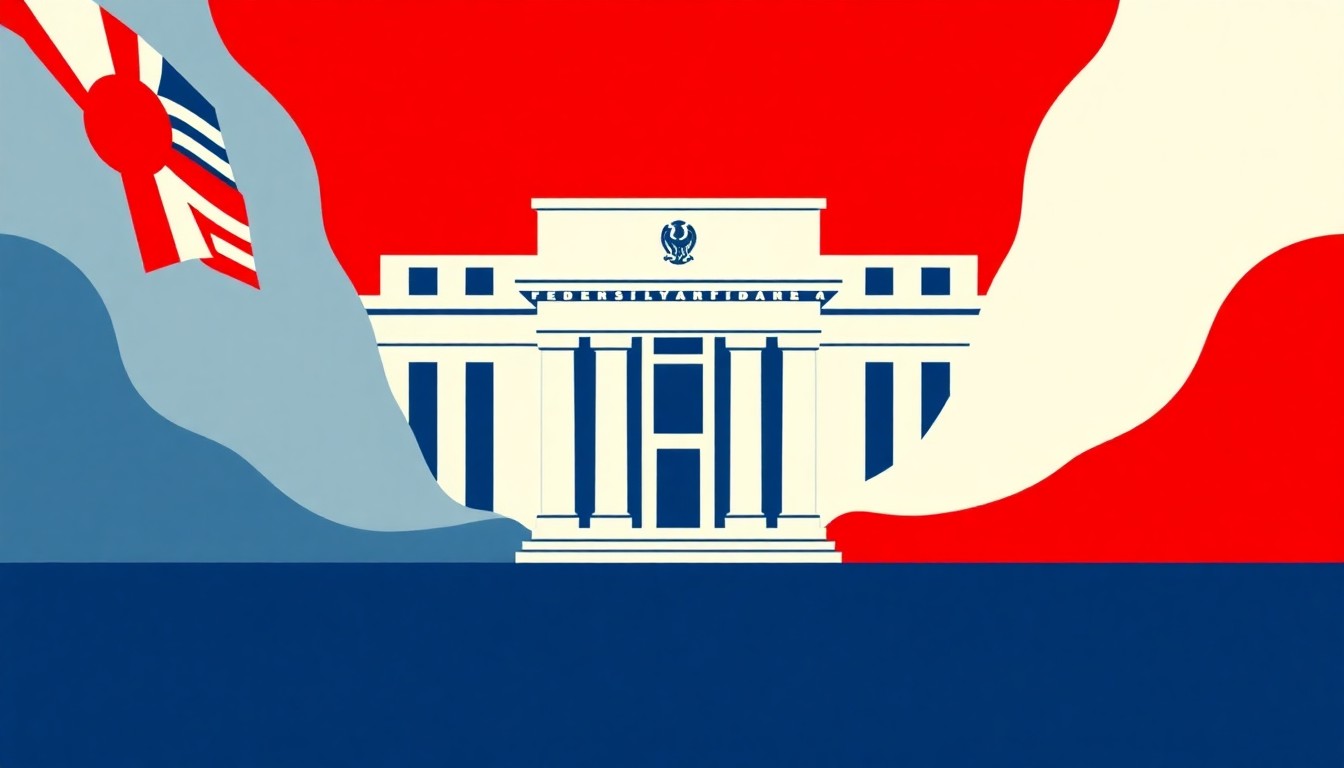 The Federal Reserve navigates complex economic pressures stemming from the Iran war, weighing risks to growth and inflation.Washington Today
Federal Reserve officials debated sharply differing economic outlooks following the outbreak of the Iran war, with some arguing for interest rate cuts to support the labor market, while others warned of the risk of higher inflation that could require rate hikes, according to the minutes of the central bank's March policy meeting.
Why it matters
The Fed's policy response to the economic fallout from the Iran war will have significant implications for businesses, consumers, and the broader US economy. The central bank's ability to navigate these complex and contradictory pressures will be closely watched.
The details
The minutes showed most Fed officials worried the war could hurt the labor market and warrant lower interest rates. At the same time, many policymakers highlighted the risk of higher inflation that might ultimately require raising rates.
- The Federal Open Market Committee held its policy meeting on March 17-18, 2026.
The players
Federal Reserve
The central banking system of the United States that conducts monetary policy, supervises banks, maintains financial system stability, and provides banking services.
What’s next
The Federal Reserve will continue to closely monitor the economic impacts of the Iran war and make policy decisions accordingly at upcoming FOMC meetings.
The takeaway
The Fed faces a delicate balancing act in responding to the dual-sided risks posed by the Iran war, needing to weigh the potential for weaker growth and higher unemployment against the threat of rising inflation. Its policy decisions will have far-reaching consequences for the US economy.
Washington top stories


Washington events
Apr. 8, 2026
The Wiz (Touring)
Apr. 8, 2026
Cardi B - Little Miss Drama Tour
Apr. 9, 2026
Wizards v Bulls