- Today
- Holidays
- Birthdays
- Reminders
- Cities
- Atlanta
- Austin
- Baltimore
- Berwyn
- Beverly Hills
- Birmingham
- Boston
- Brooklyn
- Buffalo
- Charlotte
- Chicago
- Cincinnati
- Cleveland
- Columbus
- Dallas
- Denver
- Detroit
- Fort Worth
- Houston
- Indianapolis
- Knoxville
- Las Vegas
- Los Angeles
- Louisville
- Madison
- Memphis
- Miami
- Milwaukee
- Minneapolis
- Nashville
- New Orleans
- New York
- Omaha
- Orlando
- Philadelphia
- Phoenix
- Pittsburgh
- Portland
- Raleigh
- Richmond
- Rutherford
- Sacramento
- Salt Lake City
- San Antonio
- San Diego
- San Francisco
- San Jose
- Seattle
- Tampa
- Tucson
- Washington
Trump Threatens Widespread Strikes on Iran's Infrastructure
Experts warn some actions could constitute war crimes, but Trump says he's 'not at all' concerned.
Apr. 7, 2026 at 2:28am
Got story updates? Submit your updates here. ›
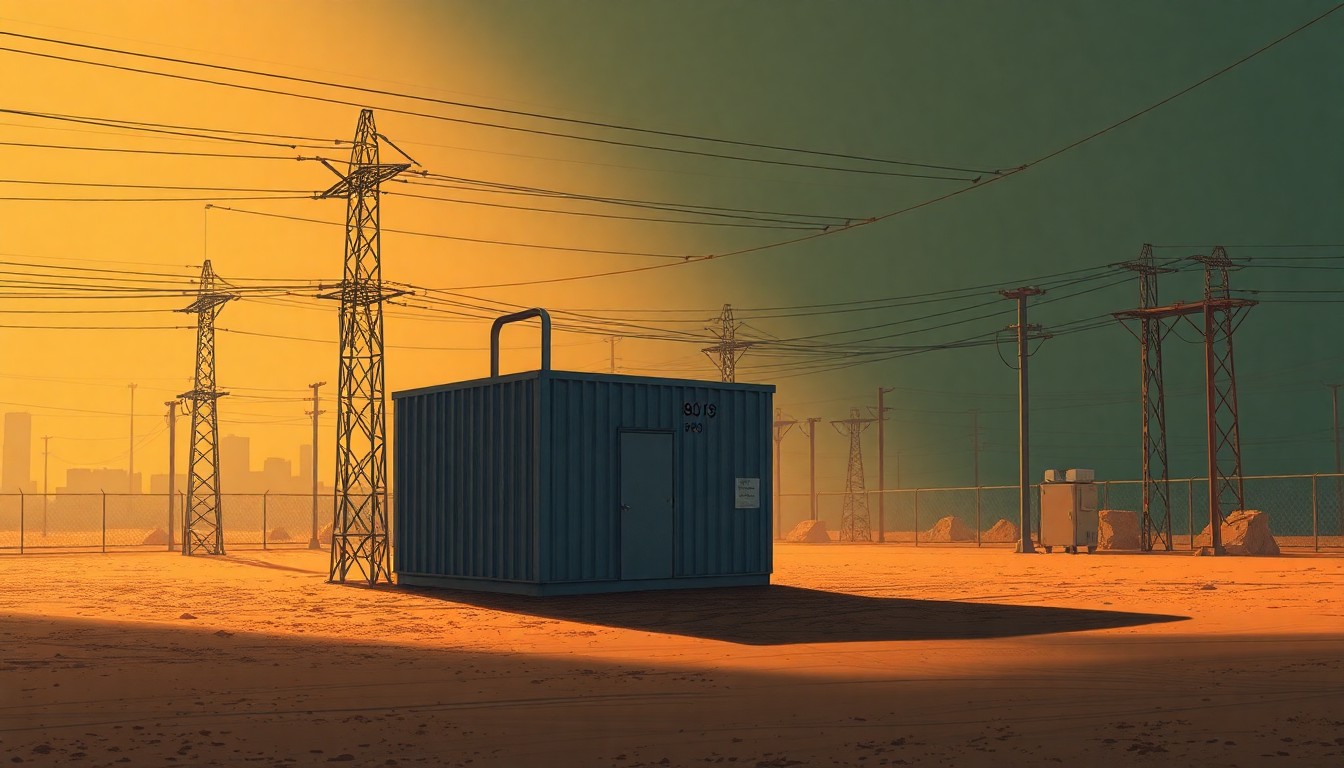 As tensions between the U.S. and Iran escalate, the threat of widespread infrastructure attacks raises ethical and legal concerns.Washington Today
In a recent news conference, former President Donald Trump threatened to destroy Iran's bridges, power plants, and other critical infrastructure, actions that some military law experts say could be considered war crimes. Trump dismissed these concerns, stating he is 'not at all' worried about the legal implications of such strikes.
Why it matters
Trump's comments reflect an escalating war of words between the U.S. and Iran, raising fears of a potential military conflict. The threat of widespread infrastructure attacks raises significant ethical and legal questions about the rules of engagement and the protection of civilian targets during wartime.
The details
During the news conference, Trump threatened to 'blow up every bridge and power plant' in Iran, a move that could have devastating effects on the Iranian civilian population. Some experts in military law have warned that such actions, if carried out, could constitute war crimes under international law due to the disproportionate harm to non-military targets.
- Trump made the threats during a news conference on Monday, April 7, 2026.
The players
Donald Trump
The former President of the United States who made the controversial threats against Iran's infrastructure.
What they’re saying
“I'm not at all concerned if strikes on Iran's power plants considered war crimes.”
— Donald Trump, Former U.S. President
The takeaway
Trump's comments reflect an increasingly aggressive and uncompromising stance towards Iran, raising serious concerns about the potential for further escalation and the disregard for international laws governing armed conflict.
Washington top stories



Washington events


Apr. 7, 2026
Wizards VIP Packages: 4/7/2026
Apr. 7, 2026
Wizards v Bulls