- Today
- Holidays
- Birthdays
- Reminders
- Cities
- Atlanta
- Austin
- Baltimore
- Berwyn
- Beverly Hills
- Birmingham
- Boston
- Brooklyn
- Buffalo
- Charlotte
- Chicago
- Cincinnati
- Cleveland
- Columbus
- Dallas
- Denver
- Detroit
- Fort Worth
- Houston
- Indianapolis
- Knoxville
- Las Vegas
- Los Angeles
- Louisville
- Madison
- Memphis
- Miami
- Milwaukee
- Minneapolis
- Nashville
- New Orleans
- New York
- Omaha
- Orlando
- Philadelphia
- Phoenix
- Pittsburgh
- Portland
- Raleigh
- Richmond
- Rutherford
- Sacramento
- Salt Lake City
- San Antonio
- San Diego
- San Francisco
- San Jose
- Seattle
- Tampa
- Tucson
- Washington
DARPA Seeks Civilian Parts for Missile Production
The agency aims to slash development times and costs by using off-the-shelf electronics.
Apr. 7, 2026 at 1:22am
Got story updates? Submit your updates here. ›
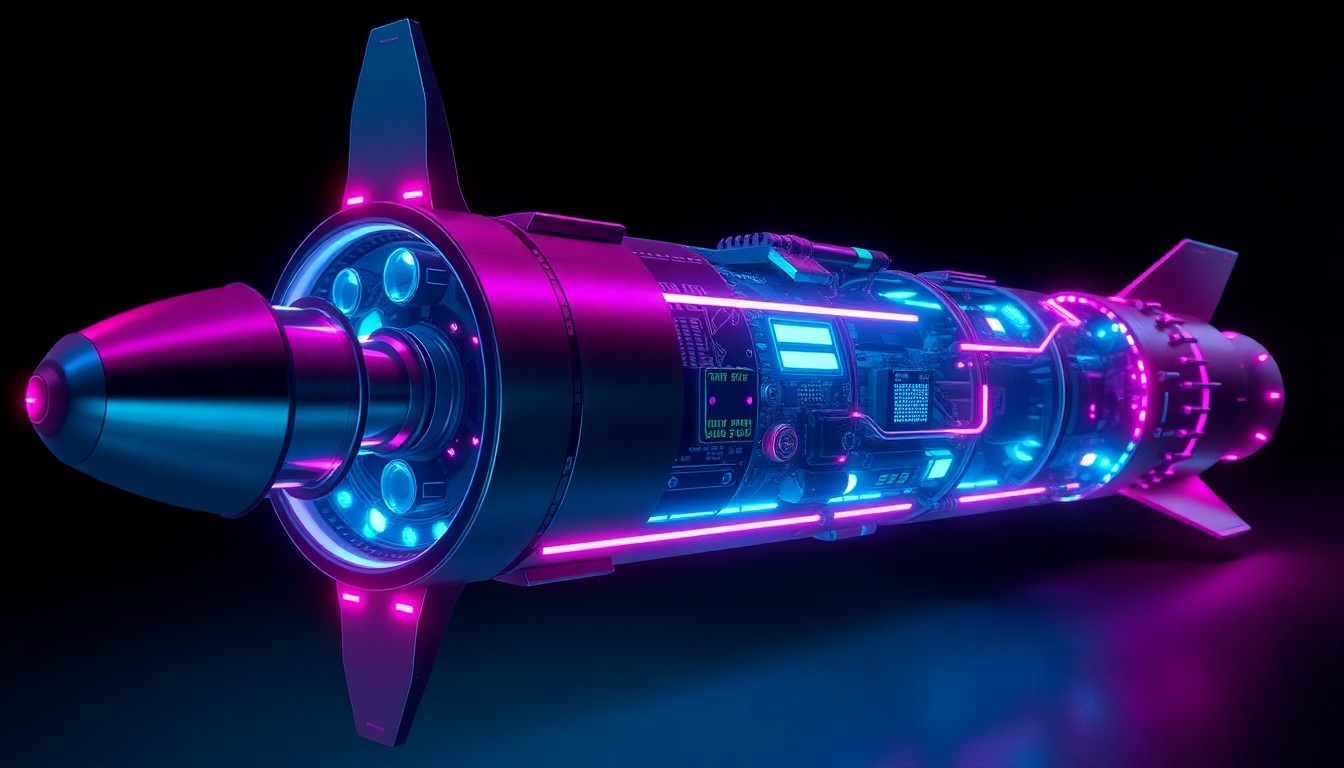 DARPA's push for commercial off-the-shelf missile electronics aims to accelerate production and reduce costs, a shift that could transform the U.S. military's approach to weapons development.Washington Today
The U.S. Defense Advanced Research Projects Agency (DARPA) has issued a Request for Information seeking companies and organizations that can quickly and affordably produce missile electronics using mass-market civilian components, rather than expensive military-grade chips. The goal is to radically reduce production timelines and costs for air-to-air weapons, which DARPA says are currently unacceptable due to bottlenecks in avionics and sensors.
Why it matters
This request signals that the U.S. military is struggling to produce missiles fast enough to meet potential future needs, likely in preparation for a high-intensity air conflict. By shifting to commercial off-the-shelf parts, DARPA hopes to set up an assembly line model for missiles, rather than the current approach of building rare, expensive 'Ferraris'.
The details
DARPA has sent this request to universities, private companies, and government labs, asking about using mass-market civilian components in missile avionics, accelerating the integration of onboard guidance systems, and whether such 'civilian internals' can withstand real air combat. The agency wants to literally buy electronics from stores and put them into combat missiles, instead of relying on expensive military chips that can take years to develop. This shift is an attempt to rethink the military's production model, moving away from rare, high-end weapons toward mass-produced, relatively simple but numerous products.
- DARPA published the Request for Information on April 7, 2026.
- Responses to the request are due by April 22, 2026.
The players
DARPA
The Defense Advanced Research Projects Agency, a research and development agency of the United States Department of Defense responsible for the development of emerging technologies for use by the military.
What’s next
DARPA will review the responses to the Request for Information and determine next steps in its effort to develop a new missile production model using commercial off-the-shelf components.
The takeaway
DARPA's request highlights the U.S. military's struggle to keep up with the pace of potential future conflicts, leading the agency to explore innovative approaches to missile production that prioritize speed and cost-effectiveness over traditional military-grade components.
Washington top stories



Washington events


Apr. 7, 2026
Wizards VIP Packages: 4/7/2026
Apr. 7, 2026
Wizards v Bulls