- Today
- Holidays
- Birthdays
- Reminders
- Cities
- Atlanta
- Austin
- Baltimore
- Berwyn
- Beverly Hills
- Birmingham
- Boston
- Brooklyn
- Buffalo
- Charlotte
- Chicago
- Cincinnati
- Cleveland
- Columbus
- Dallas
- Denver
- Detroit
- Fort Worth
- Houston
- Indianapolis
- Knoxville
- Las Vegas
- Los Angeles
- Louisville
- Madison
- Memphis
- Miami
- Milwaukee
- Minneapolis
- Nashville
- New Orleans
- New York
- Omaha
- Orlando
- Philadelphia
- Phoenix
- Pittsburgh
- Portland
- Raleigh
- Richmond
- Rutherford
- Sacramento
- Salt Lake City
- San Antonio
- San Diego
- San Francisco
- San Jose
- Seattle
- Tampa
- Tucson
- Washington
Trump's White House Ballroom Renovation Faces Backlash
Conservative editor calls president's plan a 'disregard for the rule of law'
Apr. 6, 2026 at 11:11pm
Got story updates? Submit your updates here. ›
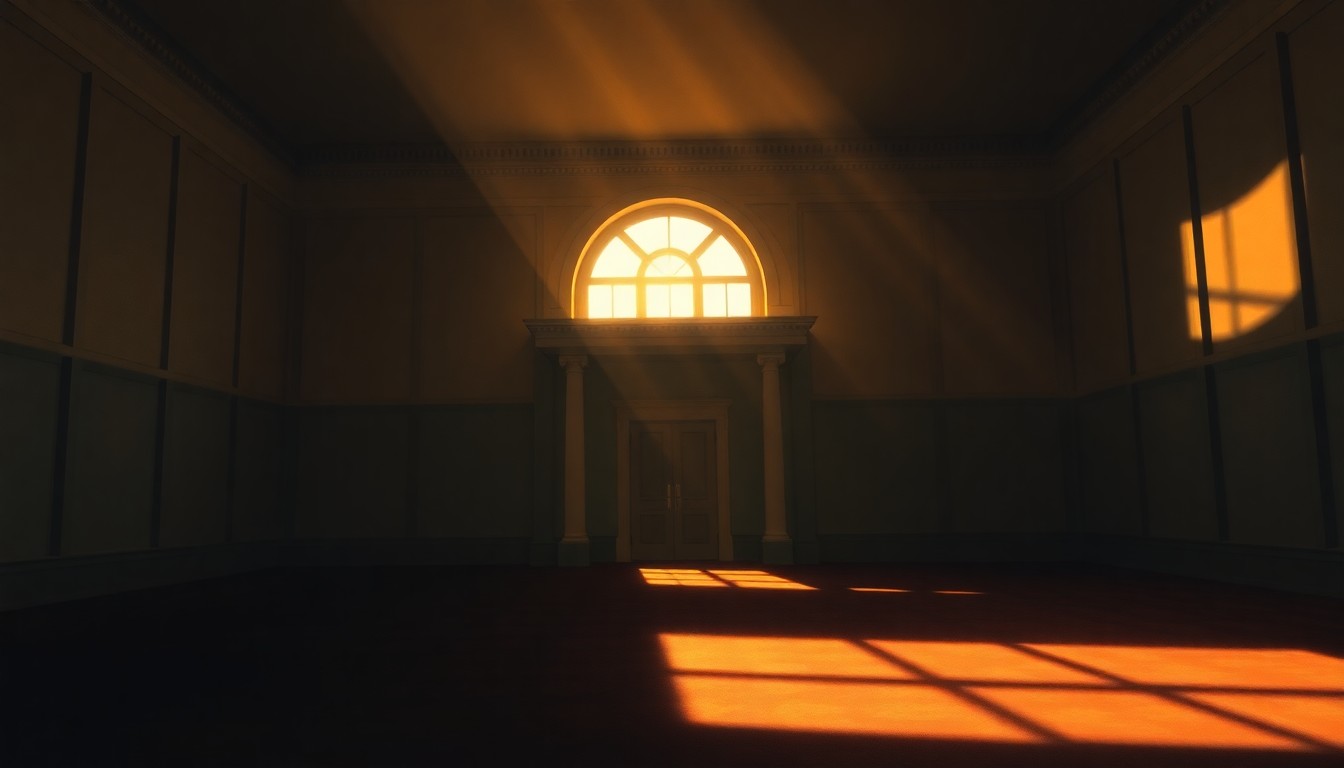 The proposed demolition of the White House East Wing to build a grand ballroom has sparked outrage, exposing the president's disregard for the rule of law and the preservation of historic landmarks.Washington Today
President Donald Trump's plan to demolish the White House East Wing and build a 40-foot-tall ballroom that can accommodate 1,000 guests has faced strong opposition, even from conservative critics. A federal judge has ordered construction to stop, arguing that Trump lacks the legal authority to undertake such a project without congressional approval. The editor of a prominent right-leaning publication, Reason Magazine, has condemned Trump's actions as a 'disregard for the rule of law' and part of a pattern of the president attempting to 'rewrite other laws in service of his agenda'.
Why it matters
The dispute over the White House ballroom renovation highlights broader concerns about Trump's approach to executive power and his willingness to push the boundaries of his authority, even in the face of judicial resistance. It also reflects the president's tendency to prioritize his personal preferences over established norms and procedures.
The details
In a 35-page opinion, U.S. District Judge Richard J. Leon ruled that the National Trust for Historic Preservation is likely to succeed in its lawsuit to stop the ballroom construction, arguing that 'no statute comes close to giving the President the authority he claims to have.' The judge characterized Trump's behavior toward the White House as that of an owner over his personal property, when in fact he is merely a steward acting on behalf of the public. The Justice Department has asked a federal appeals court to pause the judge's order, but the negative public response has been overwhelming, with thousands of comments describing the plan as an 'abomination' and a 'complete DISASTER'.
- On April 6, 2026, President Trump announced plans to demolish the White House East Wing and build a 40-foot-tall ballroom.
- On April 7, 2026, the National Trust for Historic Preservation filed a lawsuit to stop the construction project.
- On April 8, 2026, a federal judge issued a preliminary injunction ordering Trump to halt the ballroom renovation.
The players
Donald Trump
The 45th President of the United States who announced plans to demolish the White House East Wing and build a large ballroom.
Richard J. Leon
A U.S. District Judge who issued a preliminary injunction ordering Trump to stop the ballroom construction project, arguing that the president lacks the legal authority to undertake such a project without congressional approval.
Jacob Sullum
A senior editor at Reason Magazine, a prominent right-leaning publication, who criticized Trump's ballroom plan as a 'disregard for the rule of law' and part of a broader pattern of the president attempting to 'rewrite other laws in service of his agenda'.
National Trust for Historic Preservation
A nonprofit organization that filed a lawsuit to stop the White House ballroom construction project, arguing that it would damage the historic character of the building.
What they’re saying
“That decision, which the Justice Department asked a federal appeals court to pause in an emergency motion filed late on Friday, reflects Trump's tendency to do whatever he wants, regardless of what the law says.”
— Jacob Sullum, Senior Editor, Reason Magazine
“The President of the United States is the steward of the White House for future generations of First Families. He is not, however, the owner!”
— Richard J. Leon, U.S. District Judge
What’s next
The federal appeals court will decide whether to uphold or overturn the judge's preliminary injunction, which has temporarily halted the White House ballroom construction project.
The takeaway
This dispute over the White House ballroom renovation reflects broader concerns about President Trump's approach to executive power and his willingness to push the boundaries of his authority, even in the face of judicial resistance. It highlights the president's tendency to prioritize his personal preferences over established norms and procedures, raising questions about the rule of law and the separation of powers.
Washington top stories



Washington events

Apr. 8, 2026
The Wiz (Touring)
Apr. 8, 2026
Cardi B - Little Miss Drama Tour
Apr. 9, 2026
Wizards v Bulls