- Today
- Holidays
- Birthdays
- Reminders
- Cities
- Atlanta
- Austin
- Baltimore
- Berwyn
- Beverly Hills
- Birmingham
- Boston
- Brooklyn
- Buffalo
- Charlotte
- Chicago
- Cincinnati
- Cleveland
- Columbus
- Dallas
- Denver
- Detroit
- Fort Worth
- Houston
- Indianapolis
- Knoxville
- Las Vegas
- Los Angeles
- Louisville
- Madison
- Memphis
- Miami
- Milwaukee
- Minneapolis
- Nashville
- New Orleans
- New York
- Omaha
- Orlando
- Philadelphia
- Phoenix
- Pittsburgh
- Portland
- Raleigh
- Richmond
- Rutherford
- Sacramento
- Salt Lake City
- San Antonio
- San Diego
- San Francisco
- San Jose
- Seattle
- Tampa
- Tucson
- Washington
Trump Calls Iran Ceasefire Proposal 'Not Good Enough'
Mediators attempt to broker 45-day ceasefire as U.S. deadline looms for Iran to open Strait of Hormuz.
Apr. 6, 2026 at 10:13pm
Got story updates? Submit your updates here. ›
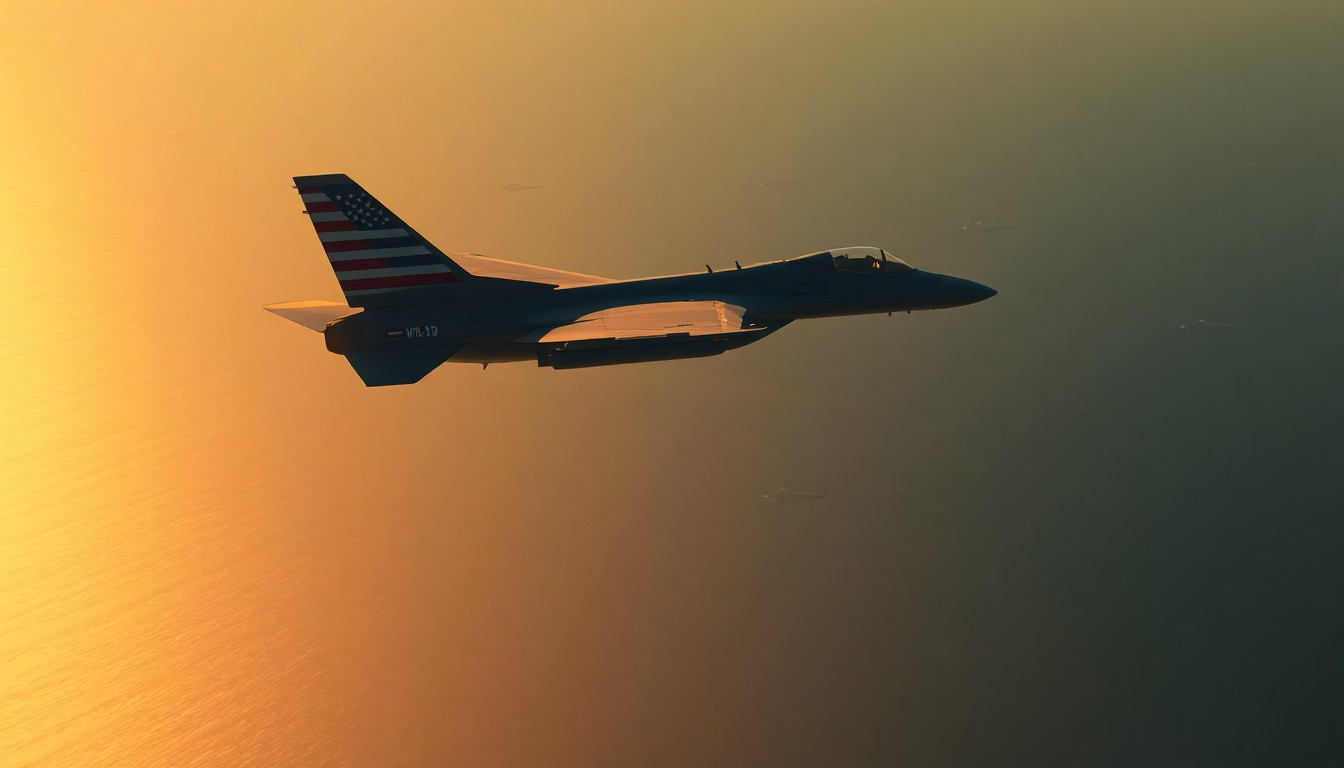 As tensions over the Strait of Hormuz escalate, a lone U.S. military jet patrols the strategic waterway, a symbol of the high-stakes geopolitical standoff between Washington and Tehran.Washington Today
President Donald Trump has rejected a proposal for a 45-day ceasefire between the U.S. and Iran, calling it 'not good enough' to persuade him to end the military campaign. Mediators are attempting to broker the ceasefire ahead of Trump's latest deadline for Iran to fully open the Strait of Hormuz or face attacks on bridges and energy infrastructure. However, Iran has signaled it will not accept the proposal, responding instead with its own 10-point plan that a U.S. official described as 'maximalist'.
Why it matters
The ongoing tensions between the U.S. and Iran have escalated in recent weeks, with the downing of a U.S. fighter plane adding to the conflict. A ceasefire could provide a temporary pause to allow for further negotiations, but the two sides appear to be far apart on the terms, with Iran unwilling to cede what it sees as its main leverage - control over the Strait of Hormuz and its stockpile of highly enriched uranium.
The details
According to sources, mediators are attempting to broker a 45-day ceasefire between the U.S. and Iran ahead of Trump's latest deadline, which calls for Iran to fully open the Strait of Hormuz by 8 p.m. ET on Tuesday or face attacks on bridges and energy infrastructure. However, Iran has signaled it will not accept the mediators' proposal, responding instead with its own 10-point plan that a U.S. official described as 'maximalist'. In the past, Iran has said it wants a permanent commitment from the U.S. to end the attacks rather than a shorter-term ceasefire.
- Trump has moved the deadline several times citing progress in ongoing negotiations only to renew the threat of military destruction once again.
- The latest deadline calls for Iran to fully open the Strait of Hormuz by 8 p.m. ET on Tuesday or face attacks on bridges and energy infrastructure.
The players
President Donald Trump
The President of the United States who has called the ceasefire proposal 'not good enough' and has threatened military action against Iran if it does not open the Strait of Hormuz.
Iran
The Middle Eastern country that has signaled it will not accept the mediators' proposal for a 45-day ceasefire, instead responding with its own 10-point plan that a U.S. official described as 'maximalist'.
Mediators
Unspecified parties attempting to broker a ceasefire between the U.S. and Iran to allow for further negotiations.
U.S. Official
An unnamed U.S. government official who described Iran's 10-point plan as 'maximalist'.
Person Close to Ongoing Talks
An unnamed individual with knowledge of the negotiations between the U.S. and Iran.
What they’re saying
“'They are negotiating now, and they have made a very significant step. We'll see what happens.'”
— President Donald Trump
“'We are obliterating their country. And I hate to do it, but we're obliterating and they just don't want to say 'uncle.' They don't want to cry, as the expression goes, 'uncle.' But they will. And if they don't, they'll have no bridges, they'll have no power plants, they'll have no anything.'”
— President Donald Trump
“'Unfortunately, the American people would like to see us come home.'”
— President Donald Trump
What’s next
The judge in the case will decide on Tuesday whether or not to allow Iran to open the Strait of Hormuz. If Iran does not comply, the U.S. has threatened to attack bridges and energy infrastructure in the country.
The takeaway
The ongoing negotiations between the U.S. and Iran over the Strait of Hormuz highlight the delicate balance between diplomacy and the threat of military action. While a ceasefire could provide a temporary pause, the two sides appear to be far apart on the terms, raising concerns about the potential for further escalation of the conflict.
Washington top stories



Washington events

Apr. 10, 2026
The Wiz (Touring)
Apr. 10, 2026
Earlybirds Club 2000s Party
Apr. 10, 2026
The Neighbourhood: THE WOURLD TOUR