- Today
- Holidays
- Birthdays
- Reminders
- Cities
- Atlanta
- Austin
- Baltimore
- Berwyn
- Beverly Hills
- Birmingham
- Boston
- Brooklyn
- Buffalo
- Charlotte
- Chicago
- Cincinnati
- Cleveland
- Columbus
- Dallas
- Denver
- Detroit
- Fort Worth
- Houston
- Indianapolis
- Knoxville
- Las Vegas
- Los Angeles
- Louisville
- Madison
- Memphis
- Miami
- Milwaukee
- Minneapolis
- Nashville
- New Orleans
- New York
- Omaha
- Orlando
- Philadelphia
- Phoenix
- Pittsburgh
- Portland
- Raleigh
- Richmond
- Rutherford
- Sacramento
- Salt Lake City
- San Antonio
- San Diego
- San Francisco
- San Jose
- Seattle
- Tampa
- Tucson
- Washington
Artemis II Astronauts to Study Moon's Surface With Naked Eyes
Astronauts will be able to observe the lunar surface directly during Artemis II mission.
Apr. 5, 2026 at 7:28am
Got story updates? Submit your updates here. ›
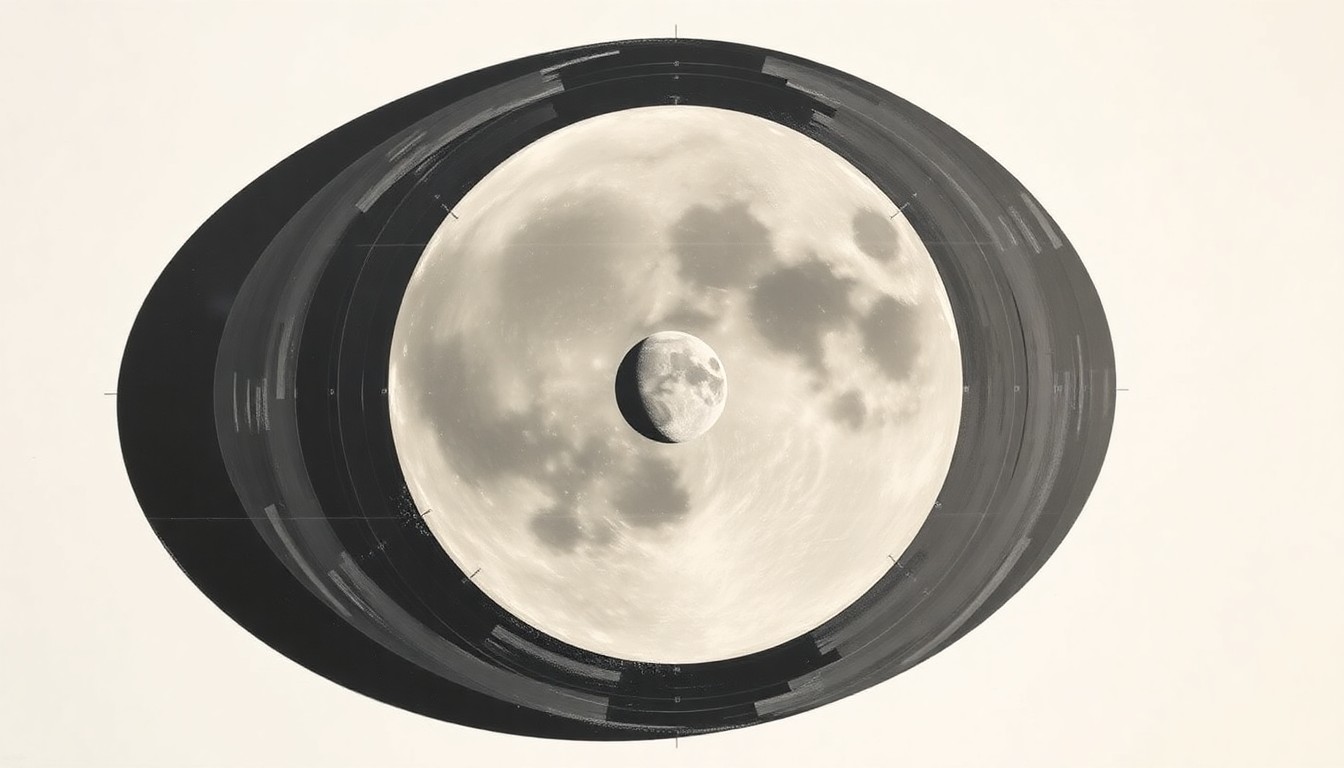 The Artemis II mission will allow astronauts to directly observe the Moon's surface during their flyby, providing new insights to guide future lunar exploration.Washington Today
More than 50 years after humans first flew around the Moon, the upcoming Artemis II mission will allow astronauts to directly observe the lunar surface with their own eyes, not just through cameras. This will provide a new perspective and allow the crew to study the Moon's features in greater detail during their flyby of the celestial body.
Why it matters
The Artemis program aims to return humans to the Moon for the first time since the Apollo era, with the eventual goal of establishing a sustainable lunar presence. Being able to visually study the Moon's surface during the Artemis II flight will help inform future landing site selections and mission planning for subsequent Artemis missions.
The details
Unlike the Apollo 8 mission in 1968 which only briefly glimpsed the lunar surface, the Artemis II astronauts will have an extended period to observe the Moon up close during their multi-day journey around it. This will allow them to study geological features, assess potential landing sites, and gain a deeper understanding of the lunar environment.
- The Artemis II mission is currently targeted for launch in 2024.
The players
Artemis program
NASA's program to return humans to the Moon, with the eventual goal of establishing a sustainable lunar presence.
What’s next
The Artemis II mission will pave the way for the Artemis III landing, which is planned to put the first woman and next man on the lunar surface.
The takeaway
The ability for Artemis II astronauts to directly observe the Moon with their own eyes, rather than just through cameras, will provide invaluable data to help plan future Artemis missions and lunar exploration efforts.
Washington top stories



Washington events

Apr. 5, 2026
Disney's Beauty and the Beast (Touring)
Apr. 5, 2026
Washington Nationals vs. Los Angeles Dodgers
Apr. 5, 2026
Eddie Izzard