- Today
- Holidays
- Birthdays
- Reminders
- Cities
- Atlanta
- Austin
- Baltimore
- Berwyn
- Beverly Hills
- Birmingham
- Boston
- Brooklyn
- Buffalo
- Charlotte
- Chicago
- Cincinnati
- Cleveland
- Columbus
- Dallas
- Denver
- Detroit
- Fort Worth
- Houston
- Indianapolis
- Knoxville
- Las Vegas
- Los Angeles
- Louisville
- Madison
- Memphis
- Miami
- Milwaukee
- Minneapolis
- Nashville
- New Orleans
- New York
- Omaha
- Orlando
- Philadelphia
- Phoenix
- Pittsburgh
- Portland
- Raleigh
- Richmond
- Rutherford
- Sacramento
- Salt Lake City
- San Antonio
- San Diego
- San Francisco
- San Jose
- Seattle
- Tampa
- Tucson
- Washington
Arctic Sea Ice Hits Record Low
Warming climate shatters winter ice growth measurements
Apr. 5, 2026 at 9:46am
Got story updates? Submit your updates here. ›
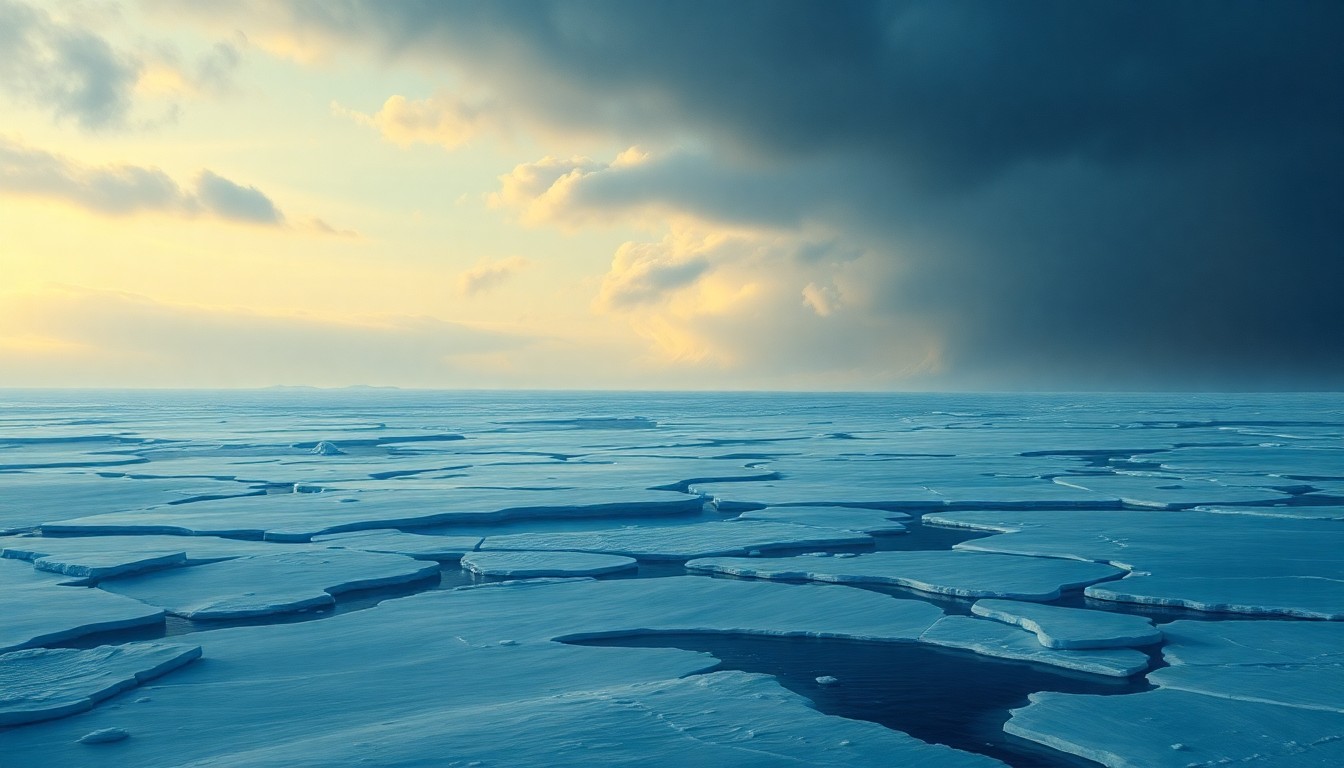 The dramatic decline of Arctic sea ice reflects the accelerating global climate crisis.Washington Today
Arctic sea ice levels have reached their lowest recorded winter measurements, tying the previous record set in 2020. This dramatic decline in sea ice growth is a direct result of the warming global climate, which has also set temperature records across multiple continents.
Why it matters
The Arctic sea ice plays a critical role in regulating global temperatures and weather patterns. Its dramatic decline is a clear indicator of the accelerating climate crisis, with far-reaching implications for ecosystems, wildlife, and human communities in the region and around the world.
The details
According to the National Oceanic and Atmospheric Administration (NOAA), the maximum extent of Arctic sea ice this past winter was the joint-lowest on record, matching the previous low set in 2020. Typically, sea ice reaches its annual maximum extent in March, but this year's peak was well below the 1981-2010 average.
- The Arctic sea ice reached its maximum extent for the 2026 winter season in March.
- The current record low for winter sea ice extent was previously set in 2020.
The players
National Oceanic and Atmospheric Administration (NOAA)
The U.S. government agency responsible for monitoring and reporting on environmental conditions, including Arctic sea ice levels.
What’s next
Researchers will continue to closely monitor Arctic sea ice levels throughout the year to assess the long-term trends and impacts of climate change in the region.
The takeaway
The record-low Arctic sea ice extent is a stark reminder of the accelerating climate crisis and the urgent need for global action to reduce greenhouse gas emissions and mitigate the devastating effects of global warming.
Washington top stories



Washington events

Apr. 5, 2026
Disney's Beauty and the Beast (Touring)
Apr. 5, 2026
Washington Nationals vs. Los Angeles Dodgers
Apr. 5, 2026
Eddie Izzard