- Today
- Holidays
- Birthdays
- Reminders
- Cities
- Atlanta
- Austin
- Baltimore
- Berwyn
- Beverly Hills
- Birmingham
- Boston
- Brooklyn
- Buffalo
- Charlotte
- Chicago
- Cincinnati
- Cleveland
- Columbus
- Dallas
- Denver
- Detroit
- Fort Worth
- Houston
- Indianapolis
- Knoxville
- Las Vegas
- Los Angeles
- Louisville
- Madison
- Memphis
- Miami
- Milwaukee
- Minneapolis
- Nashville
- New Orleans
- New York
- Omaha
- Orlando
- Philadelphia
- Phoenix
- Pittsburgh
- Portland
- Raleigh
- Richmond
- Rutherford
- Sacramento
- Salt Lake City
- San Antonio
- San Diego
- San Francisco
- San Jose
- Seattle
- Tampa
- Tucson
- Washington
Trump Shifts Strait of Hormuz Responsibility to Europe and Gulf States
President's speech signals US will step back from direct role in reopening strategic waterway.
Apr. 3, 2026 at 2:42am
Got story updates? Submit your updates here. ›
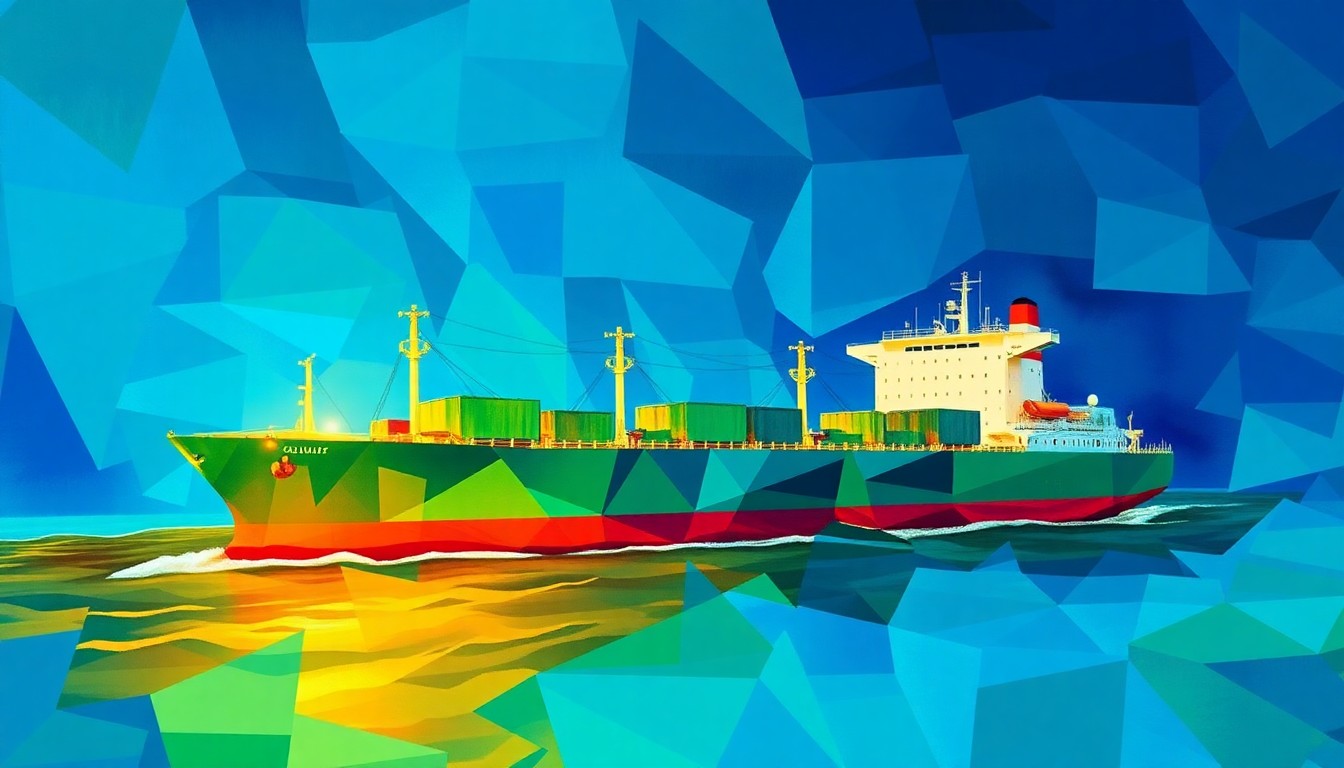 The blockade of the strategic Strait of Hormuz continues to roil global energy markets, as the US shifts responsibility for securing the waterway to its European and Gulf allies.Washington Today
In a prime-time address, President Donald Trump declared that the US will no longer take the lead in reopening the Strait of Hormuz, a critical global oil chokepoint that has been blockaded by Iran. Trump said the US 'imports almost no oil through the Hormuz Strait and won't be taking any in the future' and urged Europe and Gulf Arab states to 'build up some delayed courage' and take responsibility for securing the waterway. The shift in strategy comes as the US and Iran remain locked in an escalating conflict, with the blockade of Hormuz causing global energy market turmoil.
Why it matters
The Strait of Hormuz is a vital global trade route, with about a fifth of the world's oil supply passing through it. The US has long played a central role in ensuring freedom of navigation in the strait, but Trump's speech signals a major strategic shift that could leave Europe and Gulf states to manage the risks and costs of reopening the waterway. This move comes with significant geopolitical and economic implications, as the underlying military threats from Iran remain unresolved.
The details
Trump's speech struck a defiant tone, vowing to 'finish the job' against Iran within 2-3 weeks through intensified strikes. But he then pivoted to announce that the US will no longer take primary responsibility for the Strait of Hormuz, urging America's allies to step up and secure the waterway themselves. Trump claimed the US 'imports almost no oil through the Hormuz Strait and won't be taking any in the future,' dismissing the global economic impact of the blockade as 'short-term.' The speech effectively decouples the Hormuz issue from US negotiations with Iran, presenting it as a problem for Europe and Gulf states to solve as Washington winds down its direct combat role.
- On April 1, President Trump delivered a prime-time address to the nation.
- The US-Iran conflict has been ongoing for over a month.
The players
President Donald Trump
The President of the United States who delivered the speech shifting responsibility for the Strait of Hormuz to US allies in Europe and the Gulf region.
Iran's Islamic Revolutionary Guard Corps (IRGC)
The Iranian military force that has been enforcing a de facto blockade of the Strait of Hormuz, disrupting global energy markets.
Europe
The group of European nations that Trump is now calling on to take the lead in reopening and protecting the Strait of Hormuz.
Gulf Arab states
The countries in the Persian Gulf region that Trump says must now 'build up some delayed courage' to secure the vital waterway.
What they’re saying
“The United States 'imports almost no oil through the Hormuz Strait and won't be taking any in the future. We don't need it.'”
— President Donald Trump
“The countries that depend on Gulf oil should 'build up some delayed courage,' take the lead in reopening and protecting the waterway, and stop waiting for Washington.”
— President Donald Trump
What’s next
The coming days and weeks will test whether Europe and the Gulf Arab states are prepared to shoulder the responsibility for securing the Strait of Hormuz that Trump has placed on them. If they hesitate, the strait could remain closed, energy prices could stay high, and the US may still be pulled back into a direct role.
The takeaway
Trump's speech represents a major strategic shift, as the US steps back from its longstanding role as the guarantor of freedom of navigation in the Strait of Hormuz. This move transfers significant geopolitical and economic risk to America's allies, even as the underlying military threats from Iran remain unresolved. The success or failure of this 'hand-off' will have far-reaching implications for global energy markets and US influence in the Middle East.
Washington top stories

Washington events

Apr. 3, 2026
Disney's Beauty and the Beast (Touring)
Apr. 3, 2026
Disney's Beauty and the Beast (Touring)