- Today
- Holidays
- Birthdays
- Reminders
- Cities
- Atlanta
- Austin
- Baltimore
- Berwyn
- Beverly Hills
- Birmingham
- Boston
- Brooklyn
- Buffalo
- Charlotte
- Chicago
- Cincinnati
- Cleveland
- Columbus
- Dallas
- Denver
- Detroit
- Fort Worth
- Houston
- Indianapolis
- Knoxville
- Las Vegas
- Los Angeles
- Louisville
- Madison
- Memphis
- Miami
- Milwaukee
- Minneapolis
- Nashville
- New Orleans
- New York
- Omaha
- Orlando
- Philadelphia
- Phoenix
- Pittsburgh
- Portland
- Raleigh
- Richmond
- Rutherford
- Sacramento
- Salt Lake City
- San Antonio
- San Diego
- San Francisco
- San Jose
- Seattle
- Tampa
- Tucson
- Washington
EPA Eases DEF Rules for Tractors
New guidance allows farmers more flexibility to repair emissions systems and avoid sudden power loss.
Apr. 3, 2026 at 12:42pm
Got story updates? Submit your updates here. ›
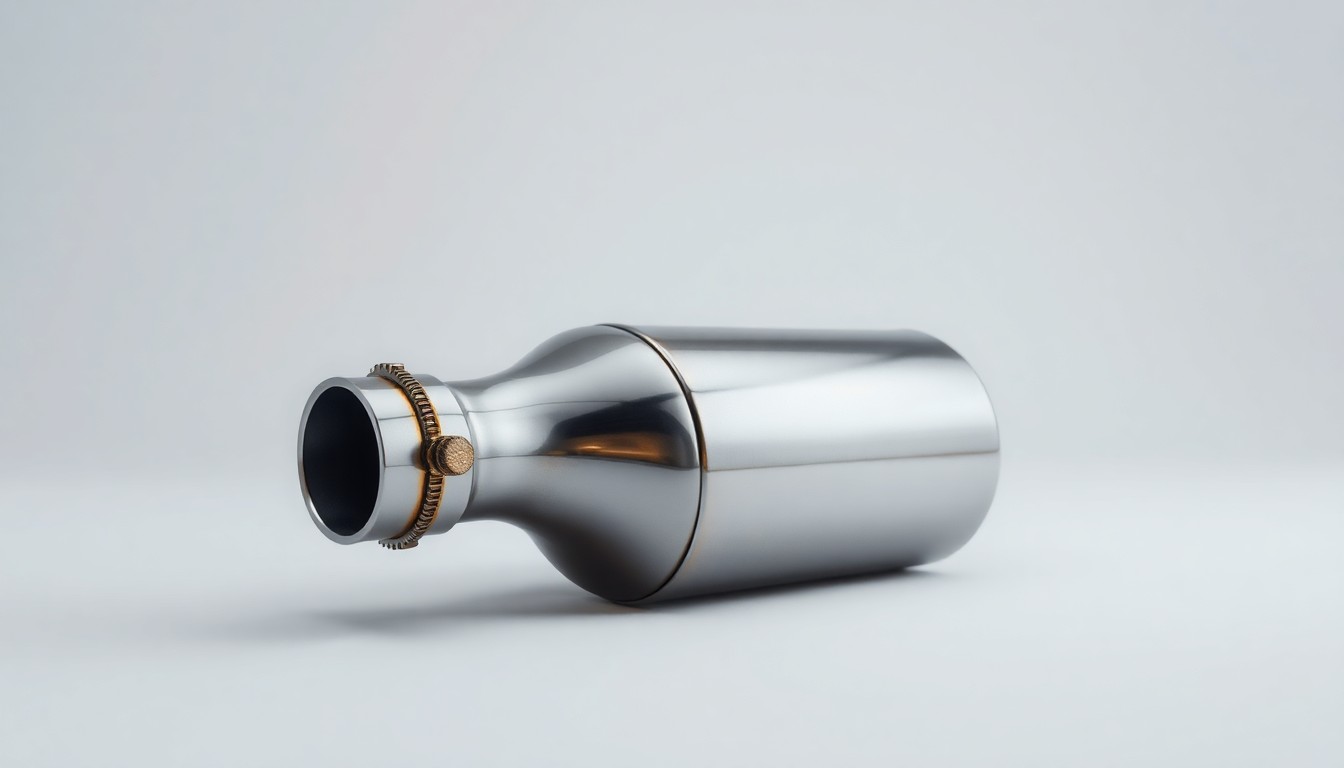 A premium tractor part symbolizes the regulatory shifts aimed at reducing unexpected equipment breakdowns and productivity losses for farmers.Washington Today
The Environmental Protection Agency (EPA) has issued new guidance that gives farmers and truck drivers more flexibility in dealing with issues related to diesel exhaust fluid (DEF) systems. The changes allow equipment manufacturers to use nitrous oxide (NOx) sensors instead of problematic urea quality sensors, reducing DEF-related breakdowns and shutdowns. Farmers will also have more opportunities to make repairs on their own equipment.
Why it matters
DEF system failures have been a major frustration for farmers, leading to unexpected equipment shutdowns and productivity losses. The EPA's new guidance aims to address these issues by providing more options for manufacturers and owners to monitor and maintain their emissions control systems.
The details
Under the new EPA rules, equipment makers can replace urea quality sensors, which have high failure rates, with NOx sensors to better monitor emissions. Farmers will also be able to restart their equipment if they encounter a DEF issue, rather than having to wait for a dealer to reset the system. However, some repairs may still require a software update that comes with an annual licensing fee.
- On March 27, 2026, President Donald Trump announced the new EPA guidelines at a White House event.
- In August 2025, the Trump administration had previously issued guidance allowing farmers and truckers to revise software to prevent sudden power losses due to DEF system faults.
- Starting with model year 2027, new diesel on-road trucks will be required to be engineered to avoid sudden and severe power loss after running out of DEF.
The players
Environmental Protection Agency (EPA)
The U.S. federal agency responsible for setting and enforcing environmental regulations, including emissions standards for diesel engines.
Donald Trump
The former President of the United States who announced the new EPA guidelines at a White House event.
Truck and Engine Manufacturers Association
An industry group that has identified urea quality sensors as having among the highest failure rates of any equipment used in emission controls.
Deere & Co.
A major agricultural equipment manufacturer that offers software updates through its John Deere Operations Center Pro Service, which requires an annual licensing fee.
Small Business Administration (SBA)
A U.S. government agency that estimates the EPA changes will save farmers $4.4 billion per year in repairs and lost productivity.
What they’re saying
“Do you know about that? It was a basic disaster. Today, we're announcing new guidelines, drastically limiting these ridiculous DEF rules, saving farmers and consumers billions and billions of dollars.”
— Donald Trump, President of the United States
“Farmers and truck drivers should not have their vehicles stop working because a sensor isn't working properly.”
— Environmental Protection Agency
“As we have previously said, these systems have too often sidelined otherwise safe, compliant trucks due to faulty or unreliable DEF quality sensors, an issue that was compounded by widespread parts shortages in recent years. When a bad sensor can trigger a full inducement, the result is unnecessary downtime, unnecessary towing costs, strained supply chains, and higher costs across the board.”
— Patrick Kelly, Vice President of Energy and Environmental Affairs, American Trucking Association
What’s next
Starting with model year 2027, all new diesel on-road trucks will be required to be engineered to avoid sudden and severe power loss after running out of DEF.
The takeaway
The EPA's new guidance on DEF systems aims to provide farmers and truckers with more flexibility and control over their equipment, reducing unexpected breakdowns and productivity losses. While some repairs may still require licensing fees, the overall changes are expected to save billions in costs for the agriculture and transportation industries.
Washington top stories



Washington events


Apr. 3, 2026
Disney's Beauty and the Beast (Touring)
Apr. 3, 2026
Disney's Beauty and the Beast (Touring)