- Today
- Holidays
- Birthdays
- Reminders
- Cities
- Atlanta
- Austin
- Baltimore
- Berwyn
- Beverly Hills
- Birmingham
- Boston
- Brooklyn
- Buffalo
- Charlotte
- Chicago
- Cincinnati
- Cleveland
- Columbus
- Dallas
- Denver
- Detroit
- Fort Worth
- Houston
- Indianapolis
- Knoxville
- Las Vegas
- Los Angeles
- Louisville
- Madison
- Memphis
- Miami
- Milwaukee
- Minneapolis
- Nashville
- New Orleans
- New York
- Omaha
- Orlando
- Philadelphia
- Phoenix
- Pittsburgh
- Portland
- Raleigh
- Richmond
- Rutherford
- Sacramento
- Salt Lake City
- San Antonio
- San Diego
- San Francisco
- San Jose
- Seattle
- Tampa
- Tucson
- Washington
DC Imposes Easter Weekend Curfew for Juveniles
Five neighborhoods will have enhanced curfew from 8-11 PM to prevent teen violence
Apr. 3, 2026 at 7:20pm
Got story updates? Submit your updates here. ›
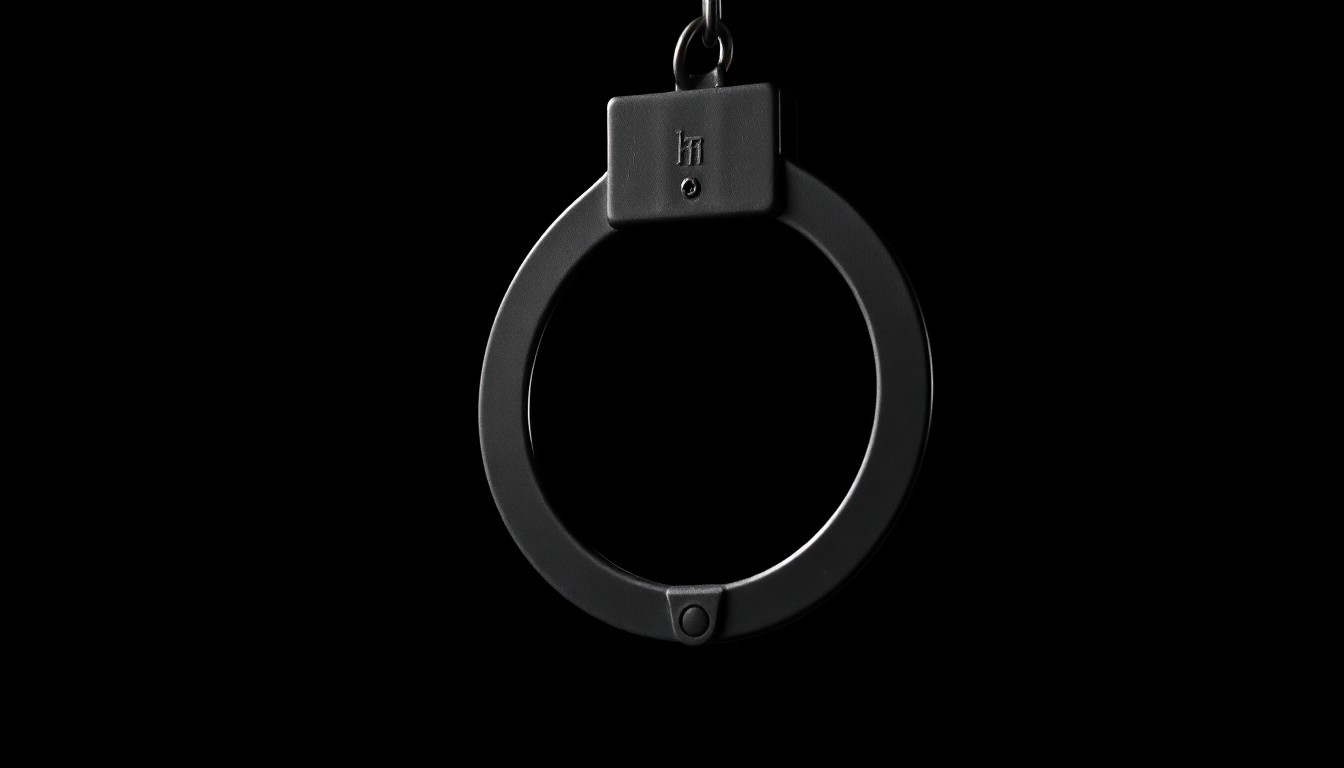 A harsh flash-lit close-up of a police handcuff symbolizes the city's efforts to curb juvenile crime through enhanced curfew enforcement.Washington Today
The Metropolitan Police Department in Washington, D.C. has announced a juvenile curfew in five neighborhoods over Easter weekend, from 8 PM to 11 PM each night. The curfew zones, which include Navy Yard, Chinatown, Waterfront, the U Street Corridor, and the Banneker neighborhood, are intended to prevent large gatherings of youth that have led to robberies, assaults, and gunfire in recent incidents.
Why it matters
The curfew comes amid a rise in 'teen takeovers' in DC, which have caused public safety concerns. While some council members have raised issues with curfews, city leaders believe they are an important tool for responding quickly to concerning trends and behaviors among juveniles.
The details
Under the curfew, gatherings of nine or more juveniles in public places or on business premises are prohibited, unless they are engaged in certain exempted activities like traveling to/from work or participating in school/religious events. Violators may be ordered to perform up to 25 hours of community service. The curfew is in addition to the existing citywide juvenile curfew that begins at 11 PM each night.
- The curfew will be in effect from 8 PM to 11 PM on Friday, April 3 through the rest of Easter weekend.
- The DC Council had reportedly postponed a vote to extend the city's emergency youth curfew, which was set to expire in mid-April.
The players
Metropolitan Police Department
The law enforcement agency for the District of Columbia that announced the juvenile curfew zones for Easter weekend.
Jeffery W. Carroll
Interim Chief of Police for the Metropolitan Police Department, who condemned the 'behavior displayed' during a recent large gathering of juveniles in Navy Yard.
Muriel Bowser
The Mayor of Washington, D.C. who expressed disappointment that the DC Council let the city's emergency youth curfew expire, stating the curfew zones have been an 'important and effective tool' for responding to concerning youth behaviors.
DC Council
The legislative body for the District of Columbia that reportedly postponed a vote to extend the city's emergency youth curfew, which was set to expire in mid-April.
What they’re saying
“The behavior displayed last night in Navy Yard cannot be tolerated, and we are very thankful that no one was seriously injured.”
— Jeffery W. Carroll, Interim Chief of Police, Metropolitan Police Department
“The curfew zones have been an important and effective tool for responding swiftly and proactively to concerning trends and behaviors. We have not had to use them often, but when we have, it has had a measurable impact in deterring dangerous and destructive behavior.”
— Muriel Bowser, Mayor of Washington, D.C.
What’s next
The DC Council will need to decide whether to extend the city's emergency youth curfew beyond its current mid-April expiration date.
The takeaway
The juvenile curfew in select DC neighborhoods over Easter weekend highlights the city's ongoing struggle with 'teen takeovers' that have led to violence, and the debate over whether curfews are an effective tool to address the root causes of youth crime.
Washington top stories


Washington events

Apr. 3, 2026
Disney's Beauty and the Beast (Touring)
Apr. 3, 2026
Disney's Beauty and the Beast (Touring)