- Today
- Holidays
- Birthdays
- Reminders
- Cities
- Atlanta
- Austin
- Baltimore
- Berwyn
- Beverly Hills
- Birmingham
- Boston
- Brooklyn
- Buffalo
- Charlotte
- Chicago
- Cincinnati
- Cleveland
- Columbus
- Dallas
- Denver
- Detroit
- Fort Worth
- Houston
- Indianapolis
- Knoxville
- Las Vegas
- Los Angeles
- Louisville
- Madison
- Memphis
- Miami
- Milwaukee
- Minneapolis
- Nashville
- New Orleans
- New York
- Omaha
- Orlando
- Philadelphia
- Phoenix
- Pittsburgh
- Portland
- Raleigh
- Richmond
- Rutherford
- Sacramento
- Salt Lake City
- San Antonio
- San Diego
- San Francisco
- San Jose
- Seattle
- Tampa
- Tucson
- Washington
Trump Threatens to Withdraw U.S. from NATO Over Strait of Hormuz Crisis
Allies' refusal to help reopen the strategic waterway sparks deepest crisis in alliance's history
Apr. 2, 2026 at 8:18pm
Got story updates? Submit your updates here. ›
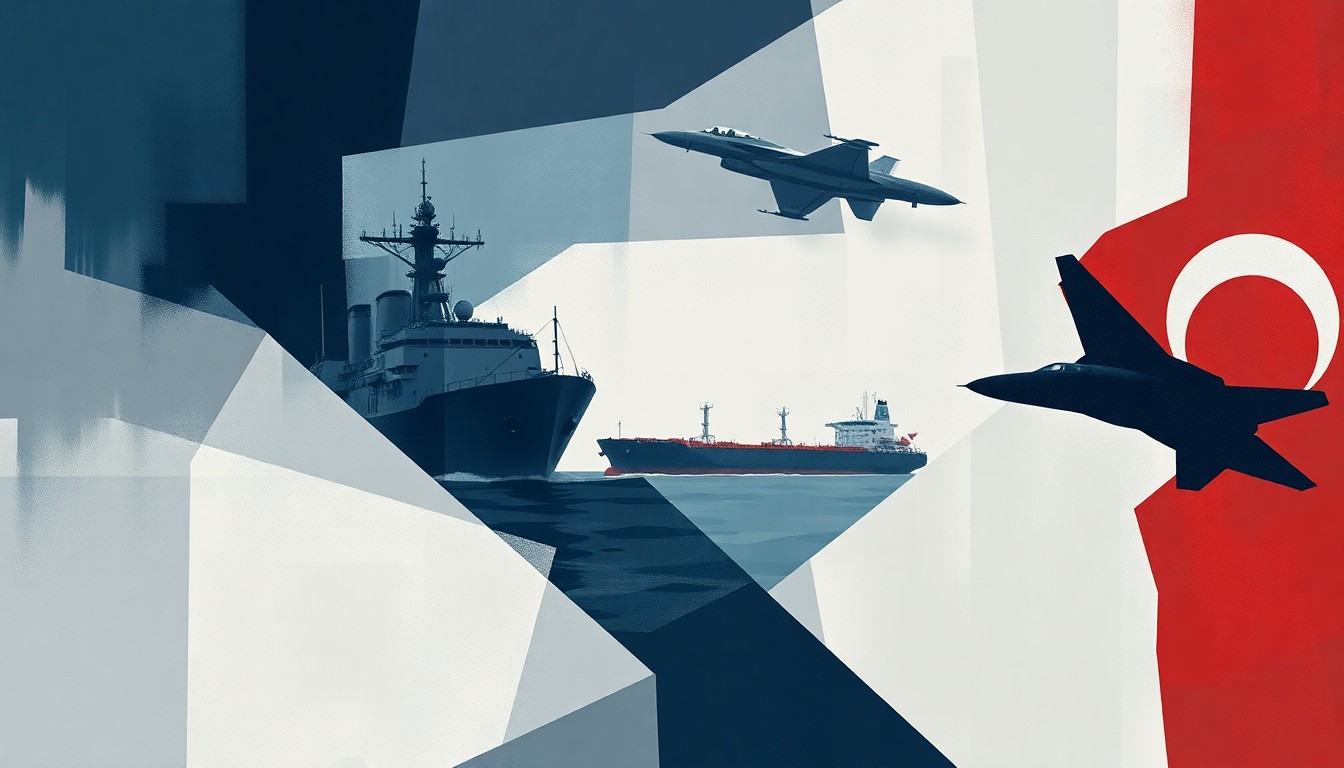 The escalating tensions in the Strait of Hormuz have put NATO's future in jeopardy, forcing Europe to rethink its defense capabilities.Washington Today
After America's NATO allies refused his call to help unblock the Strait of Hormuz, a furious Donald Trump said he might withdraw the United States from the alliance. Even if Trump does not act on his threat, the president has put the alliance in a more precarious position than it has ever been in before.
Why it matters
Trump's long-running criticism of NATO allies' defense spending and his latest threat to withdraw from the alliance have created the gravest internal crisis in NATO's history. While the alliance will likely survive, the incident highlights Europe's need to bolster its own defense capabilities in case the American security guarantee doesn't last.
The details
Trump launched a war with Iran without consulting Washington's allies, then demanded that their navies reopen the Strait of Hormuz, which Iran had closed off. The NATO allies refused, citing the risks of being drawn into a conflict they didn't start, the economic fallout from soaring energy prices, and lack of public support. In response, Trump threatened to withdraw the U.S. from NATO, a step no other American president has even hinted at taking.
- On February 28, the U.S. and Israel launched an attack on Iran.
- After the Strait of Hormuz was closed, Trump pressured NATO allies to reopen it.
- At the January 2025 Davos Summit, Trump demanded that allies raise defense spending to 5% of GDP.
The players
Donald Trump
The former president of the United States who threatened to withdraw the U.S. from NATO over the Strait of Hormuz crisis.
Keir Starmer
The prime minister of the United Kingdom who refused to risk British soldiers' lives for Trump's "offensive against Iran."
Pedro Sánchez
The prime minister of Spain who painted Trump's Iran war as much more dangerous than the 2003 Iraq invasion and predicted its wider consequences would be "far worse."
Friedrich Merz
The chancellor of Germany who initially backed Trump but later declared that "the war in the Middle East is not a matter for NATO."
Mark Rutte
The NATO secretary-general who called Trump the alliance's "daddy" despite the president's continual disparagement of NATO.
What they’re saying
“We must not risk British soldiers' lives for an offensive against Iran that lacks a legal basis and a proper, thought-through plan.”
— Keir Starmer, Prime Minister of the United Kingdom
“The war in the Middle East is not a matter for NATO.”
— Friedrich Merz, Chancellor of Germany
“This is not our war, we have not started it.”
— Boris Pistorius, German Defense Minister
What’s next
The future of NATO remains uncertain as the alliance navigates its deepest crisis. European countries will need to continue bolstering their own defense capabilities in case the American security guarantee is withdrawn.
The takeaway
Trump's threat to withdraw the U.S. from NATO over the Strait of Hormuz crisis has created the gravest internal crisis in the alliance's history. While NATO will likely survive, the incident highlights Europe's need to strengthen its own defense to prepare for a future without guaranteed American protection.