- Today
- Holidays
- Birthdays
- Reminders
- Cities
- Atlanta
- Austin
- Baltimore
- Berwyn
- Beverly Hills
- Birmingham
- Boston
- Brooklyn
- Buffalo
- Charlotte
- Chicago
- Cincinnati
- Cleveland
- Columbus
- Dallas
- Denver
- Detroit
- Fort Worth
- Houston
- Indianapolis
- Knoxville
- Las Vegas
- Los Angeles
- Louisville
- Madison
- Memphis
- Miami
- Milwaukee
- Minneapolis
- Nashville
- New Orleans
- New York
- Omaha
- Orlando
- Philadelphia
- Phoenix
- Pittsburgh
- Portland
- Raleigh
- Richmond
- Rutherford
- Sacramento
- Salt Lake City
- San Antonio
- San Diego
- San Francisco
- San Jose
- Seattle
- Tampa
- Tucson
- Washington
Trump Imposes 100% Tariffs on Some Pharmaceutical Drugs
Executive order targets patented drugs without 'most favored nations' pricing agreements
Apr. 2, 2026 at 11:37pm
Got story updates? Submit your updates here. ›
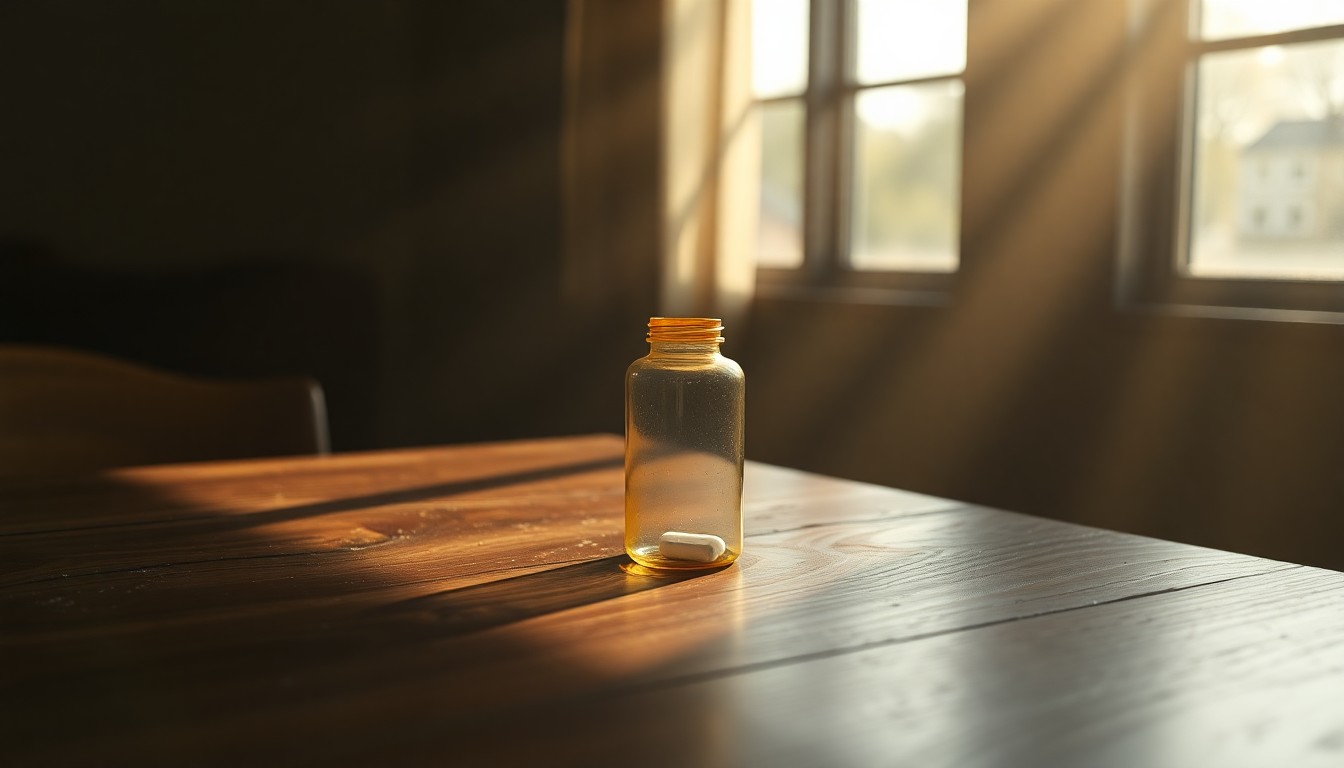 The Trump administration's new tariffs on imported drugs aim to boost domestic pharmaceutical production, but the long-term impact on drug prices remains uncertain.Washington Today
President Donald Trump has signed an executive order imposing 100% tariffs on some pharmaceutical products, ramping up his effort to boost U.S. drug manufacturing. The tariffs target patented drugs that lack a 'most favored nations' pricing agreement with the U.S., where companies ensure the U.S. pays the same amount as other wealthy countries. Companies can reduce the levy by agreeing to bring production to the U.S. or enter into pricing deals with the administration.
Why it matters
The executive order is the latest move in Trump's ongoing efforts to lower drug prices and incentivize pharmaceutical companies to manufacture more products in the United States. It reflects the administration's belief that the U.S. has been paying higher prices for certain drugs compared to other developed nations, and that domestic production of these products is crucial for American jobs and the economy.
The details
Under the executive order, companies face a 100% tariff on their pharmaceutical products unless they agree to a 'most favored nations' pricing deal with the U.S. government. If they commit to bringing manufacturing to America, the tariff drops to 20%. And if they also enter a 'most-favored-nation' agreement with the Department of Health and Human Services, they can avoid tariffs entirely while building a U.S. plant. Large companies will receive a 120-day phase-in period before the tariffs take effect. The order excludes drugs made in countries that previously entered trade agreements with the U.S., including Switzerland, Japan, South Korea and the European Union, which will face a 15% tariff.
- The executive order was signed by President Trump on Thursday, April 2, 2026.
The players
President Donald Trump
The 45th President of the United States who signed the executive order imposing the pharmaceutical tariffs.
Department of Health and Human Services
The federal agency that will oversee the 'most-favored-nation' pricing agreements with pharmaceutical companies under the executive order.
What’s next
The tariffs will go into effect after the 120-day phase-in period for large companies. The administration will continue to negotiate 'most favored nations' pricing agreements with pharmaceutical firms to avoid the tariffs.
The takeaway
This executive order represents the Trump administration's aggressive approach to tackling high drug prices in the U.S. by using tariffs to pressure pharmaceutical companies to lower prices and bring more manufacturing back to America. It remains to be seen how effective this strategy will be and how the industry will respond.