- Today
- Holidays
- Birthdays
- Reminders
- Cities
- Atlanta
- Austin
- Baltimore
- Berwyn
- Beverly Hills
- Birmingham
- Boston
- Brooklyn
- Buffalo
- Charlotte
- Chicago
- Cincinnati
- Cleveland
- Columbus
- Dallas
- Denver
- Detroit
- Fort Worth
- Houston
- Indianapolis
- Knoxville
- Las Vegas
- Los Angeles
- Louisville
- Madison
- Memphis
- Miami
- Milwaukee
- Minneapolis
- Nashville
- New Orleans
- New York
- Omaha
- Orlando
- Philadelphia
- Phoenix
- Pittsburgh
- Portland
- Raleigh
- Richmond
- Rutherford
- Sacramento
- Salt Lake City
- San Antonio
- San Diego
- San Francisco
- San Jose
- Seattle
- Tampa
- Tucson
- Washington
Trump signs order tightening mail-in voting
Order draws swift legal threats from voting rights groups
Apr. 1, 2026 at 12:01pm
Got story updates? Submit your updates here. ›
President Donald Trump signed an executive order on Tuesday that imposes new restrictions on mail-in voting, drawing immediate criticism and legal challenges from voting rights organizations who argue the move is an attempt to suppress voter turnout.
Why it matters
Mail-in and absentee voting have become increasingly common in recent years, with the COVID-19 pandemic accelerating their adoption. Trump has repeatedly made unsubstantiated claims of widespread voter fraud related to mail-in ballots, and this order is seen as the latest effort to limit access to that voting method.
The details
The executive order signed by Trump requires voters to provide a government-issued ID when requesting a mail-in ballot, mandates that all mail-in ballots be received by election day to be counted, and bans the use of ballot drop boxes. It also imposes new restrictions on third-party ballot collection, known as 'ballot harvesting'.
- Trump signed the executive order on Tuesday, April 1, 2026.
The players
Donald Trump
The 45th President of the United States, who signed the executive order tightening rules on mail-in voting.
Voting rights groups
Organizations that advocate for expanded voting access and have vowed to legally challenge Trump's executive order.
What they’re saying
“This is a blatant attempt to disenfranchise millions of voters and undermine the integrity of our elections.”
— Kristen Clarke, President of the Lawyers' Committee for Civil Rights Under Law
“The President's order is a direct assault on the fundamental right to vote. We will not stand by and allow him to erect new barriers to the ballot box.”
— Vanita Gupta, CEO of The Leadership Conference on Civil and Human Rights
What’s next
Voting rights groups have already filed lawsuits challenging the legality of Trump's executive order, setting up a likely court battle over mail-in voting rules ahead of the 2026 midterm elections.
The takeaway
This executive order represents the latest salvo in the ongoing partisan fight over mail-in voting, which has become a flashpoint in the debate over election integrity and voter access. The outcome of the legal challenges will have significant implications for the future of mail-in balloting in federal elections.
Washington top stories


Washington events
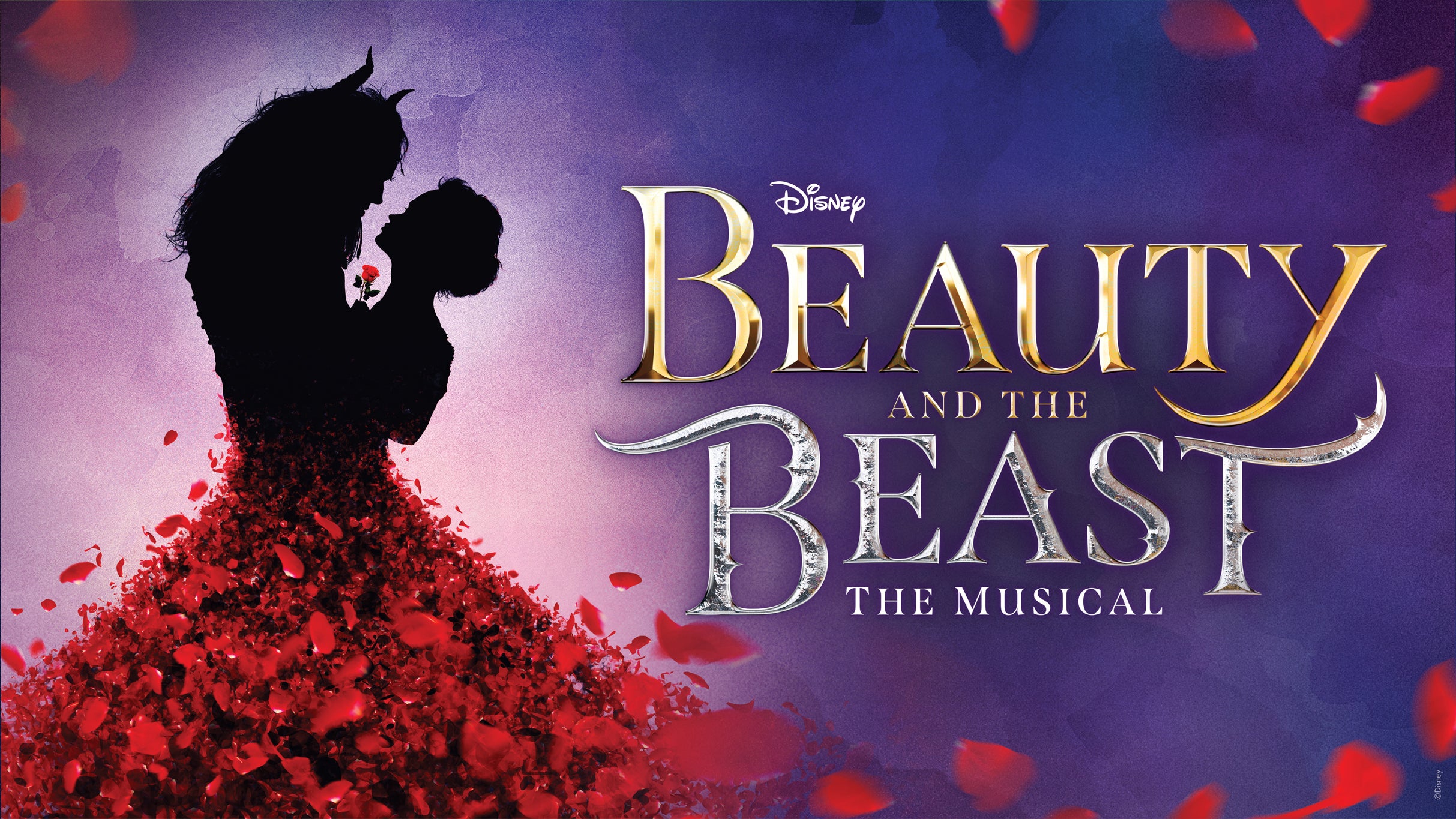
Apr. 1, 2026
Disney's Beauty and the Beast (Touring)
Apr. 1, 2026
Inherit the Wind
Apr. 1, 2026
Inherit the Wind