- Today
- Holidays
- Birthdays
- Reminders
- Cities
- Atlanta
- Austin
- Baltimore
- Berwyn
- Beverly Hills
- Birmingham
- Boston
- Brooklyn
- Buffalo
- Charlotte
- Chicago
- Cincinnati
- Cleveland
- Columbus
- Dallas
- Denver
- Detroit
- Fort Worth
- Houston
- Indianapolis
- Knoxville
- Las Vegas
- Los Angeles
- Louisville
- Madison
- Memphis
- Miami
- Milwaukee
- Minneapolis
- Nashville
- New Orleans
- New York
- Omaha
- Orlando
- Philadelphia
- Phoenix
- Pittsburgh
- Portland
- Raleigh
- Richmond
- Rutherford
- Sacramento
- Salt Lake City
- San Antonio
- San Diego
- San Francisco
- San Jose
- Seattle
- Tampa
- Tucson
- Washington
Trump signs order for national voter eligibility list
The move aims to create a centralized database of eligible voters across the country.
Apr. 1, 2026 at 12:45am
Got story updates? Submit your updates here. ›
President Donald Trump has signed an executive order to establish a national voter eligibility list, a controversial move that critics say could lead to voter suppression and disenfranchisement of certain groups.
Why it matters
The creation of a national voter registry is a long-standing goal of some conservative groups who claim it will help prevent voter fraud, though studies have shown voter fraud to be extremely rare. However, civil rights advocates argue such a list could be used to unfairly target and exclude certain voters, particularly marginalized communities.
The details
The executive order directs federal agencies to share voter registration data to create a centralized database of eligible voters across the United States. The administration claims this will improve the integrity of elections, but voting rights groups warn it could lead to the removal of legitimate voters from the rolls.
- President Trump signed the executive order on Tuesday, April 1, 2026.
The players
President Donald Trump
The 45th President of the United States who signed the executive order.
What they’re saying
“This is a blatant attempt to suppress the vote and disenfranchise millions of Americans, particularly communities of color and other marginalized groups.”
— Vanita Gupta, President and CEO of The Leadership Conference on Civil and Human Rights
“Voter fraud is a serious problem that needs to be addressed, and this national registry will help ensure the integrity of our elections.”
— Hans von Spakovsky, Senior Legal Fellow at The Heritage Foundation
What’s next
The executive order will likely face legal challenges from civil rights groups, and its implementation will be closely watched by election officials and voting rights advocates across the country.
The takeaway
This executive order highlights the ongoing partisan divide over voter eligibility and election security, with the administration claiming it will prevent fraud while critics argue it is a thinly veiled attempt at voter suppression. The outcome could have significant implications for the fairness and accessibility of future elections.
Washington top stories


Washington events
Apr. 1, 2026
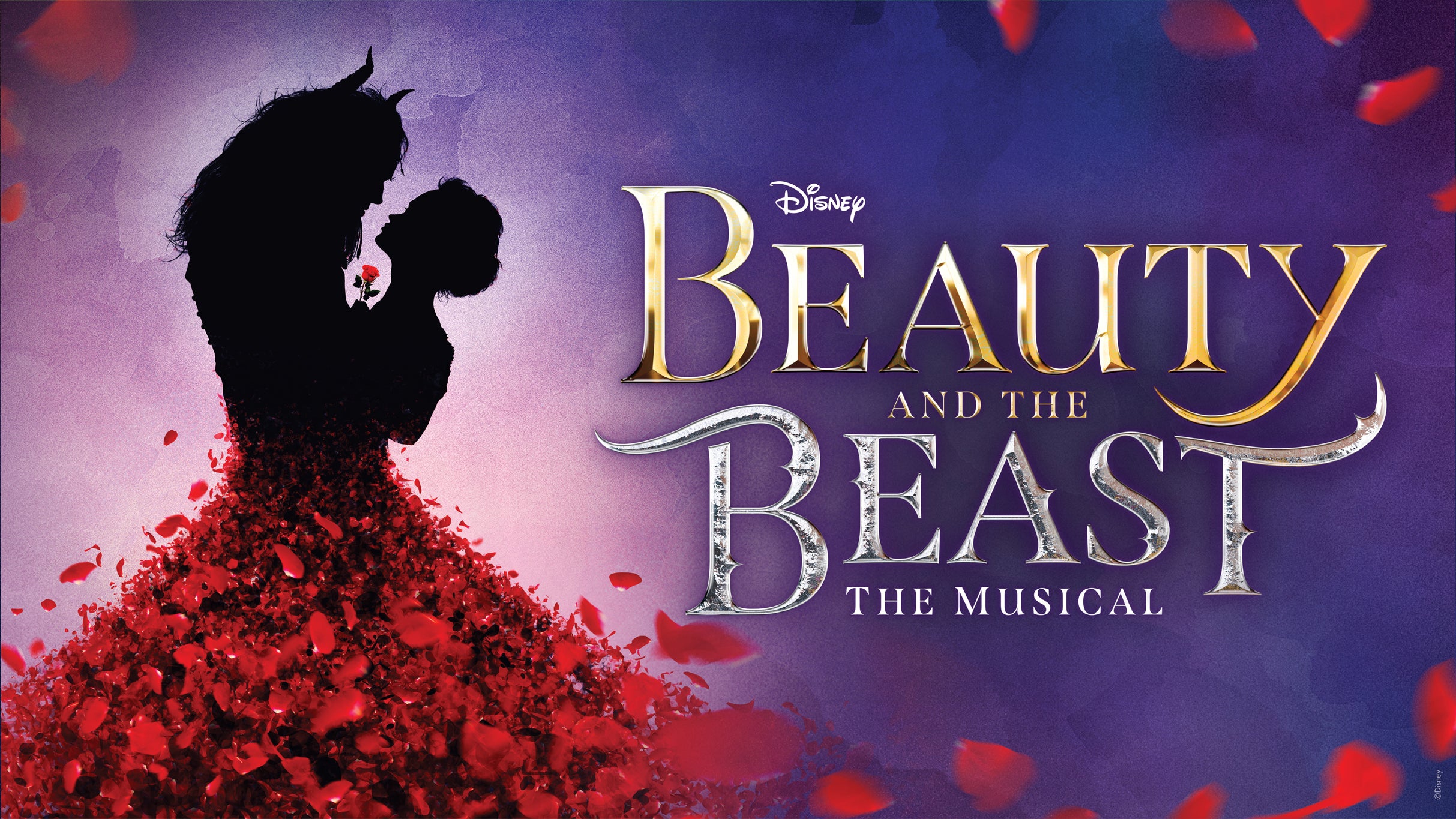
Disney's Beauty and the Beast (Touring)
Apr. 1, 2026
Inherit the Wind
Apr. 1, 2026
Inherit the Wind