- Today
- Holidays
- Birthdays
- Reminders
- Cities
- Atlanta
- Austin
- Baltimore
- Berwyn
- Beverly Hills
- Birmingham
- Boston
- Brooklyn
- Buffalo
- Charlotte
- Chicago
- Cincinnati
- Cleveland
- Columbus
- Dallas
- Denver
- Detroit
- Fort Worth
- Houston
- Indianapolis
- Knoxville
- Las Vegas
- Los Angeles
- Louisville
- Madison
- Memphis
- Miami
- Milwaukee
- Minneapolis
- Nashville
- New Orleans
- New York
- Omaha
- Orlando
- Philadelphia
- Phoenix
- Pittsburgh
- Portland
- Raleigh
- Richmond
- Rutherford
- Sacramento
- Salt Lake City
- San Antonio
- San Diego
- San Francisco
- San Jose
- Seattle
- Tampa
- Tucson
- Washington
Court Halts White House Ballroom Renovation
Judge rules major changes require Congressional approval
Apr. 1, 2026 at 1:02pm
Got story updates? Submit your updates here. ›
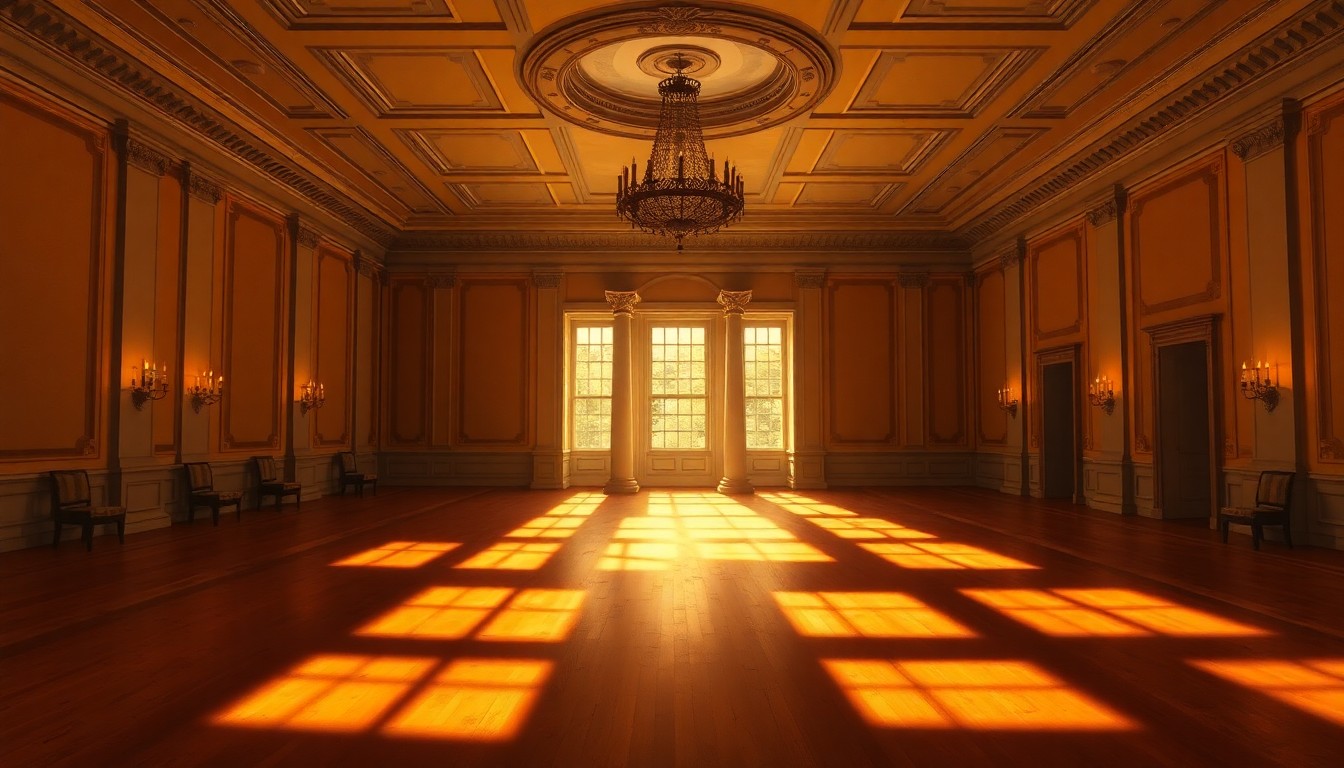 The federal court's order to halt renovations at the White House ballroom casts a pall of uncertainty over the future of the historic space.Washington Today
A federal judge has ordered the Trump administration to stop work on a planned $400 million ballroom renovation at the White House, ruling that such a major alteration cannot move forward without approval from Congress.
Why it matters
The decision highlights ongoing tensions between the executive and legislative branches over the scope of presidential power, with the court asserting Congress' role in overseeing significant changes to the historic White House property.
The details
The order, issued on Tuesday, blocks the Trump administration from proceeding with the ballroom project, which was intended to create a larger event space within the White House complex. The judge ruled that a renovation of this scale requires Congressional approval, rather than being solely an executive decision.
- The judge issued the order on Tuesday, April 1, 2026.
The players
Trump administration
The current presidential administration led by former President Donald Trump.
U.S. Congress
The legislative branch of the federal government, responsible for approving major changes to the White House property.
What’s next
The Trump administration is expected to appeal the judge's decision, setting up a potential legal battle over the scope of executive power and the role of Congress in overseeing the White House complex.
The takeaway
This ruling underscores the ongoing checks and balances between the executive and legislative branches, with the courts serving as a arbiter in disputes over the appropriate use of presidential authority.
Washington top stories


Washington events

Apr. 1, 2026
Disney's Beauty and the Beast (Touring)
Apr. 1, 2026
Inherit the Wind
Apr. 1, 2026
Inherit the Wind