- Today
- Holidays
- Birthdays
- Reminders
- Cities
- Atlanta
- Austin
- Baltimore
- Berwyn
- Beverly Hills
- Birmingham
- Boston
- Brooklyn
- Buffalo
- Charlotte
- Chicago
- Cincinnati
- Cleveland
- Columbus
- Dallas
- Denver
- Detroit
- Fort Worth
- Houston
- Indianapolis
- Knoxville
- Las Vegas
- Los Angeles
- Louisville
- Madison
- Memphis
- Miami
- Milwaukee
- Minneapolis
- Nashville
- New Orleans
- New York
- Omaha
- Orlando
- Philadelphia
- Phoenix
- Pittsburgh
- Portland
- Raleigh
- Richmond
- Rutherford
- Sacramento
- Salt Lake City
- San Antonio
- San Diego
- San Francisco
- San Jose
- Seattle
- Tampa
- Tucson
- Washington
The Murky World of Shadow Diplomacy and the Passport Trade Economy
Unofficial envoys, honorary titles, and document myths continue to blur public understanding of diplomacy in 2026
Mar. 31, 2026 at 2:04am
Got story updates? Submit your updates here. ›
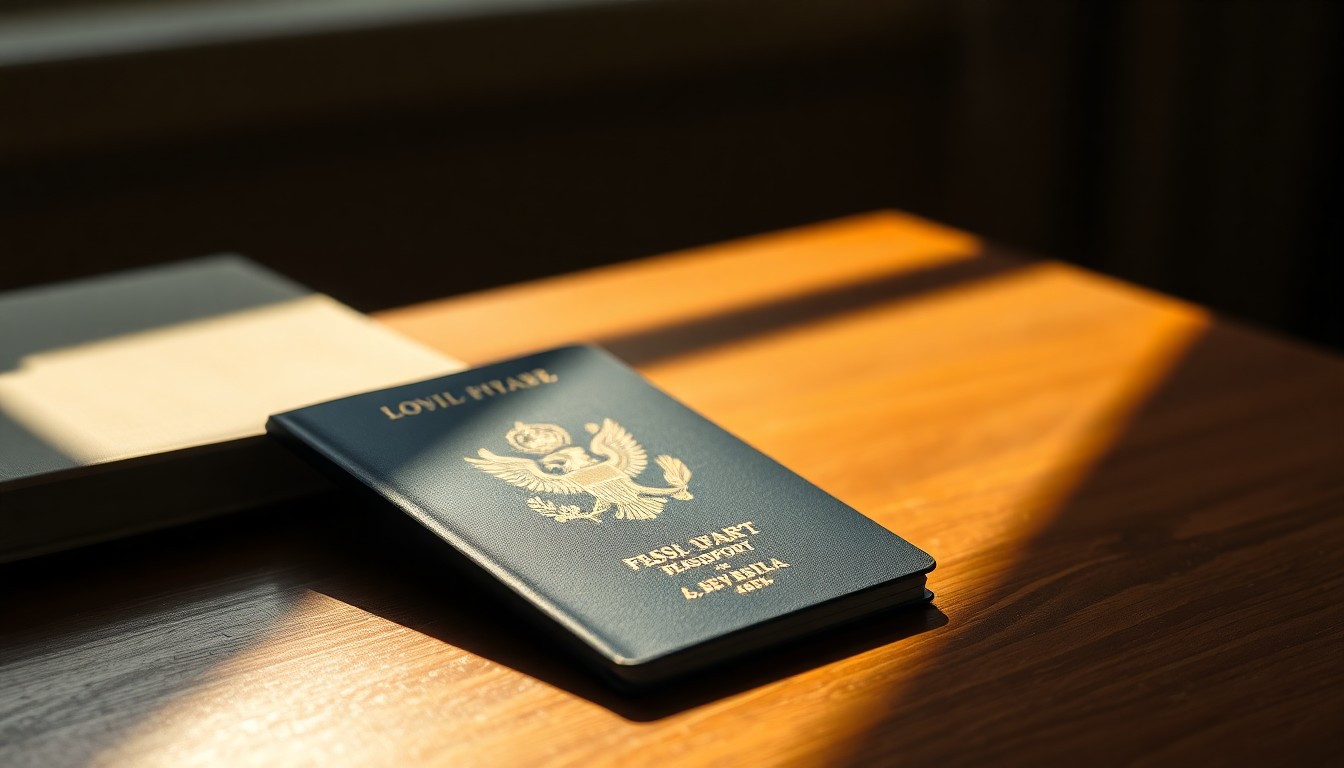 As the shadow diplomacy economy continues to thrive on public fascination with status and prestige, institutions are growing more skeptical of claims that cannot be fully verified.Washington Today
The modern market for 'diplomatic' status relies on public confusion, borrowing the language of statecraft, passports, immunity, and official privilege, then repackaging those ideas into a commercial mythology. In reality, diplomacy still depends on state recognition, accreditation, lawful function, and institutional acceptance. That gap between public fantasy and legal reality is where the shadow economy thrives, as honorary roles, ceremonial appointments, and prestige-driven passports are often oversold and misunderstood.
Why it matters
As compliance culture and scrutiny around politically exposed persons have increased, the same language once used to imply easier access can now trigger deeper inspection from banks, border agencies, and corporate due diligence teams. Past scandals have also made institutions more skeptical of anything sold too aggressively as portable official privilege. While the public fascination with status and prestige remains, the operational environments surrounding these claims have become more rigorous in verifying the underlying legal substance.
The details
The shadow diplomacy market rarely sells outright fiction, but rather partial truths with inflated implications. At the low end, consultants may hint at facilitating appointments or titles through private connections. In the middle, real honorary or advisory roles are marketed as creating sweeping protection or political leverage. At the dangerous end, it can involve fraudulent documents, questionable intermediary chains, or invented credentials. What links these layers is the same sales logic - presenting private money as a route into public status and official authority.
- In February 2026, Reuters revisited the Cyprus citizenship-for-investment controversy.
- The modern market for 'diplomatic' status has been growing in recent years.
The players
Amicus International Consulting
A firm that has discussed diplomatic passports and immunity, framing the issue around recognition rather than mystique.
The takeaway
Shadow diplomacy is not a functioning substitute for real diplomacy, but rather a business built around the language, optics, and prestige of diplomacy without delivering the underlying legal substance. While the public fascination with status remains, the operational environments surrounding these claims have become more rigorous in verifying the actual privileges and recognition attached to any title or document.
Washington top stories

Washington events

Apr. 1, 2026
Disney's Beauty and the Beast (Touring)
Apr. 1, 2026
Inherit the Wind
Apr. 1, 2026
Inherit the Wind