- Today
- Holidays
- Birthdays
- Reminders
- Cities
- Atlanta
- Austin
- Baltimore
- Berwyn
- Beverly Hills
- Birmingham
- Boston
- Brooklyn
- Buffalo
- Charlotte
- Chicago
- Cincinnati
- Cleveland
- Columbus
- Dallas
- Denver
- Detroit
- Fort Worth
- Houston
- Indianapolis
- Knoxville
- Las Vegas
- Los Angeles
- Louisville
- Madison
- Memphis
- Miami
- Milwaukee
- Minneapolis
- Nashville
- New Orleans
- New York
- Omaha
- Orlando
- Philadelphia
- Phoenix
- Pittsburgh
- Portland
- Raleigh
- Richmond
- Rutherford
- Sacramento
- Salt Lake City
- San Antonio
- San Diego
- San Francisco
- San Jose
- Seattle
- Tampa
- Tucson
- Washington
Supreme Court to Rule on Birthright Citizenship
Trump's executive order could affect status of thousands of U.S. babies
Mar. 31, 2026 at 9:08am
Got story updates? Submit your updates here. ›
 The Supreme Court's ruling on birthright citizenship could have profound implications for millions of Americans.Washington Today
The Supreme Court is set to debate the legality of President Trump's executive order that aims to sharply limit birthright citizenship. The order, if upheld, could affect the legal status of as many as 255,000 babies born in the U.S. each year and require millions of parents to prove their newborns' citizenship.
Why it matters
The case could have far-reaching implications, potentially casting doubt on the citizenship of millions of Americans if the court agrees with the Trump administration's interpretation of the 14th Amendment. It also raises concerns about creating a new federal bureaucracy to adjudicate the citizenship of newborns.
The details
Trump's executive order, signed on the first day of his second term, directs federal agencies not to recognize the citizenship of babies born in the U.S. if neither parent is a citizen or lawful permanent resident. This would expand the exemption for birthright citizenship beyond just children of foreign diplomats. The order was supposed to go into effect on Feb. 20, 2025, but was blocked by lower courts.
- The Supreme Court is set to debate the order on April 1, 2026.
- If the order is upheld, the justices could set a new effective date, potentially giving lower courts time to respond.
The players
Donald Trump
The former president who signed the executive order aimed at limiting birthright citizenship.
Conchita Cruz
An attorney with the Asylum Seeker Advocacy Project, who notes that a mother seeking asylum would not be able to add her child to her application under Trump's order.
Cody Wofsy
A lawyer with the ACLU Immigrants' Rights Project, who says the court's decision could 'signal a kind of open season on questioning the citizenship of other Americans.'
Stephen Yale-Loehr
A longtime immigration law scholar and retired Cornell Law School professor, who says the order would create a burden for millions of Americans who lack ready access to documents proving their citizenship.
What they’re saying
“'The decision that the government is asking for would really signal a kind of open season on questioning the citizenship of other Americans, something we've already seen far too often.'”
— Cody Wofsy, Lawyer, ACLU Immigrants' Rights Project
“'We would essentially need a new federal bureaucracy to adjudicate the citizenship of newborns.'”
— Stephen Yale-Loehr, Immigration law scholar, retired Cornell Law School professor
What’s next
The Supreme Court is expected to issue its ruling by the end of June or early July 2026.
The takeaway
This case could have far-reaching implications for millions of Americans, potentially casting doubt on the citizenship of those born in the U.S. to non-citizen parents. It also raises concerns about creating new bureaucratic hurdles for parents to prove their children's citizenship.
Washington top stories

Washington events
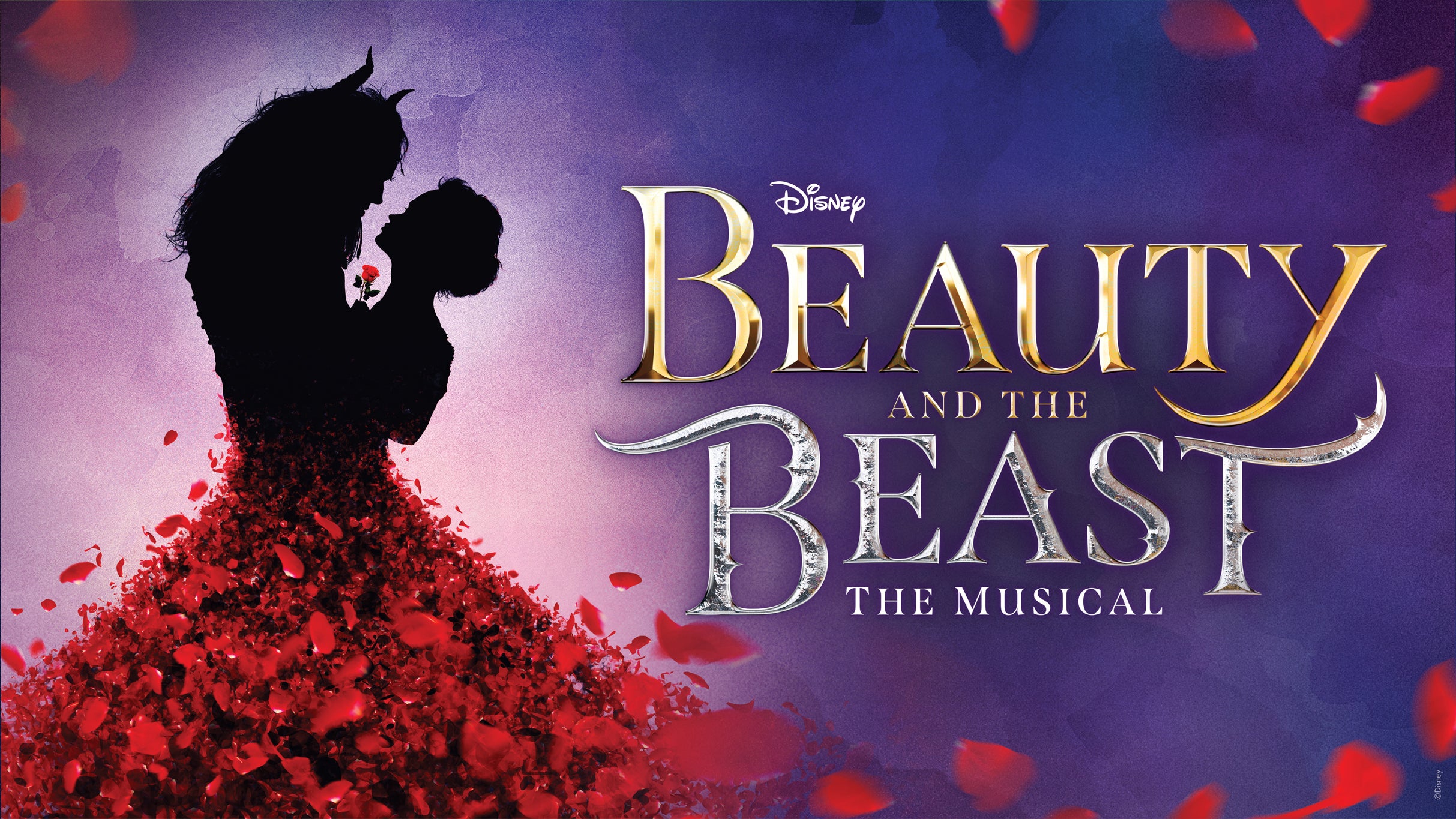
Apr. 1, 2026
Disney's Beauty and the Beast (Touring)
Apr. 1, 2026
Inherit the Wind
Apr. 1, 2026
Inherit the Wind