- Today
- Holidays
- Birthdays
- Reminders
- Cities
- Atlanta
- Austin
- Baltimore
- Berwyn
- Beverly Hills
- Birmingham
- Boston
- Brooklyn
- Buffalo
- Charlotte
- Chicago
- Cincinnati
- Cleveland
- Columbus
- Dallas
- Denver
- Detroit
- Fort Worth
- Houston
- Indianapolis
- Knoxville
- Las Vegas
- Los Angeles
- Louisville
- Madison
- Memphis
- Miami
- Milwaukee
- Minneapolis
- Nashville
- New Orleans
- New York
- Omaha
- Orlando
- Philadelphia
- Phoenix
- Pittsburgh
- Portland
- Raleigh
- Richmond
- Rutherford
- Sacramento
- Salt Lake City
- San Antonio
- San Diego
- San Francisco
- San Jose
- Seattle
- Tampa
- Tucson
- Washington
Lawmakers Demand USDA Action as Fertilizer and Food Prices Rise
Congresswoman Angie Craig and Agriculture Democrats warn of severe supply chain disruptions and higher costs for U.S. farmers due to Trump's war with Iran.
Mar. 31, 2026 at 7:59pm
Got story updates? Submit your updates here. ›
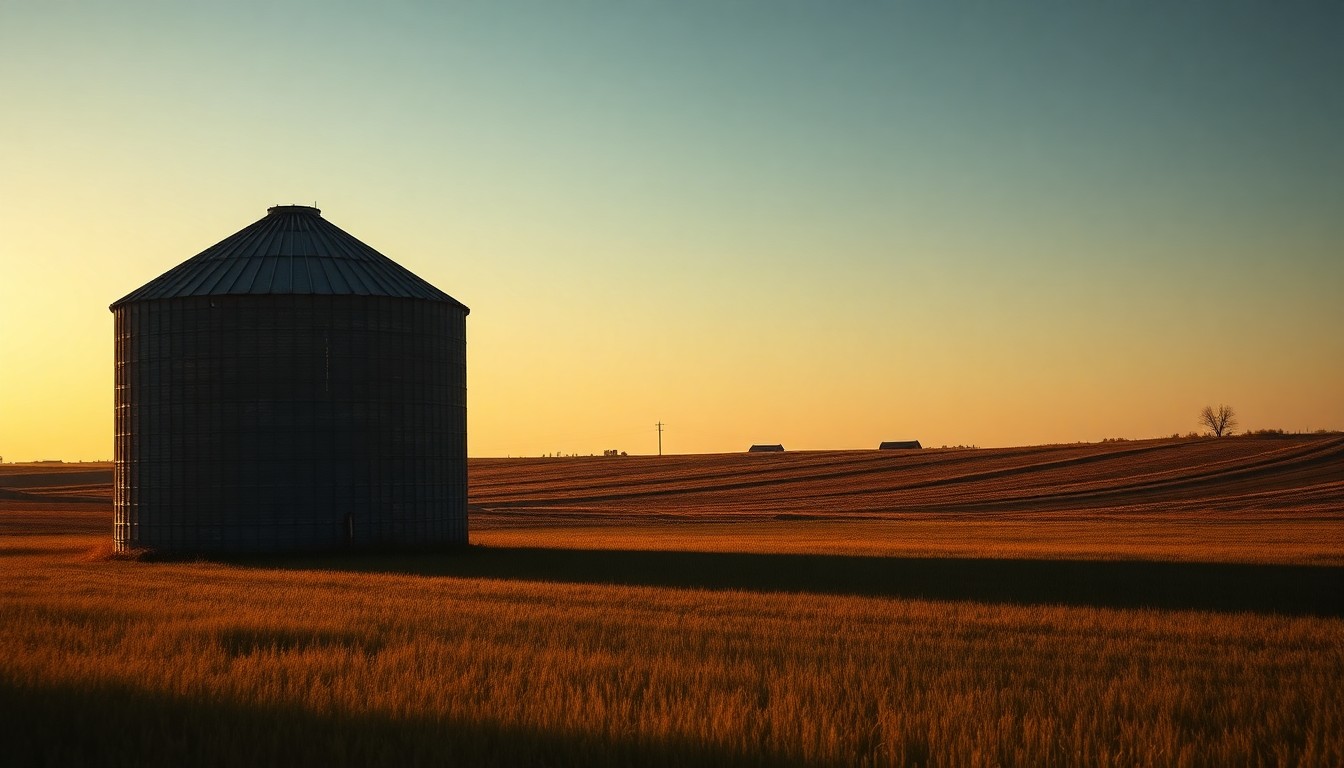 As global supply chains falter, the iconic American grain silo stands as a symbol of the agricultural industry's struggle to weather the fallout from geopolitical conflicts.Washington Today
In a letter to the U.S. Department of Agriculture, Ranking Member Angie Craig (MN-02) and other members of the House Agriculture Committee are urging immediate action to stabilize fertilizer prices amid global supply chain disruptions stemming from the Trump administration's conflict with Iran. The lawmakers warn that blocked shipments, port backlogs, and production facility shutdowns are leading to higher input costs for American farmers as planting season begins, further squeezing already tight margins.
Why it matters
The letter highlights how the administration's foreign policy decisions can have severe unintended consequences for the U.S. agricultural sector, with farmers potentially forced to either pay higher prices for essential fertilizer or risk lower yields. This could exacerbate existing financial pressures on family farms and potentially lead to higher food prices for consumers.
The details
The lawmakers detail how the effective closure of the Strait of Hormuz and attacks on Gulf State production facilities have disrupted the global supply of urea and ammonia, key fertilizer components. They warn that even if the conflict were to end soon, it will take weeks or months to bring plants back online and normalize supply chains. The letter urges the USDA to communicate a public action plan to reduce fertilizer prices and provide an estimate of the increased costs to farmers from higher fuel and fertilizer prices due to the war.
- The letter was sent on March 31, 2026.
- The conflict with Iran and closure of the Strait of Hormuz began in early 2026.
The players
Angie Craig
Ranking Member of the House Agriculture Committee and U.S. Representative for Minnesota's 2nd congressional district.
U.S. Department of Agriculture
The federal executive department responsible for developing and executing policies related to agriculture, food, natural resources, and rural development.
Donald Trump
The former President of the United States whose administration initiated the conflict with Iran that has disrupted global fertilizer supply chains.
What they’re saying
“It has become increasingly clear that the Administration decided to initiate hostilities without considering the obviously foreseeable consequences this would have upon American agriculture”
— Angie Craig, Ranking Member, House Agriculture Committee
“Farmers will be forced to either pay higher prices for fertilizer that they need or go with less and risk low production yields; either way their tight margins – already in the red for many farmers – will only worsen.”
— Angie Craig, Ranking Member, House Agriculture Committee
What’s next
The USDA is expected to respond to the lawmakers' letter in the coming weeks with details on any planned actions to stabilize fertilizer prices and support American farmers.
The takeaway
This situation highlights the complex interconnections between foreign policy, global trade, and domestic agricultural production. The administration's decisions on Iran have had severe unintended consequences for U.S. farmers, underscoring the need for policymakers to carefully consider the downstream impacts of their actions on critical industries like agriculture.