- Today
- Holidays
- Birthdays
- Reminders
- Cities
- Atlanta
- Austin
- Baltimore
- Berwyn
- Beverly Hills
- Birmingham
- Boston
- Brooklyn
- Buffalo
- Charlotte
- Chicago
- Cincinnati
- Cleveland
- Columbus
- Dallas
- Denver
- Detroit
- Fort Worth
- Houston
- Indianapolis
- Knoxville
- Las Vegas
- Los Angeles
- Louisville
- Madison
- Memphis
- Miami
- Milwaukee
- Minneapolis
- Nashville
- New Orleans
- New York
- Omaha
- Orlando
- Philadelphia
- Phoenix
- Pittsburgh
- Portland
- Raleigh
- Richmond
- Rutherford
- Sacramento
- Salt Lake City
- San Antonio
- San Diego
- San Francisco
- San Jose
- Seattle
- Tampa
- Tucson
- Washington
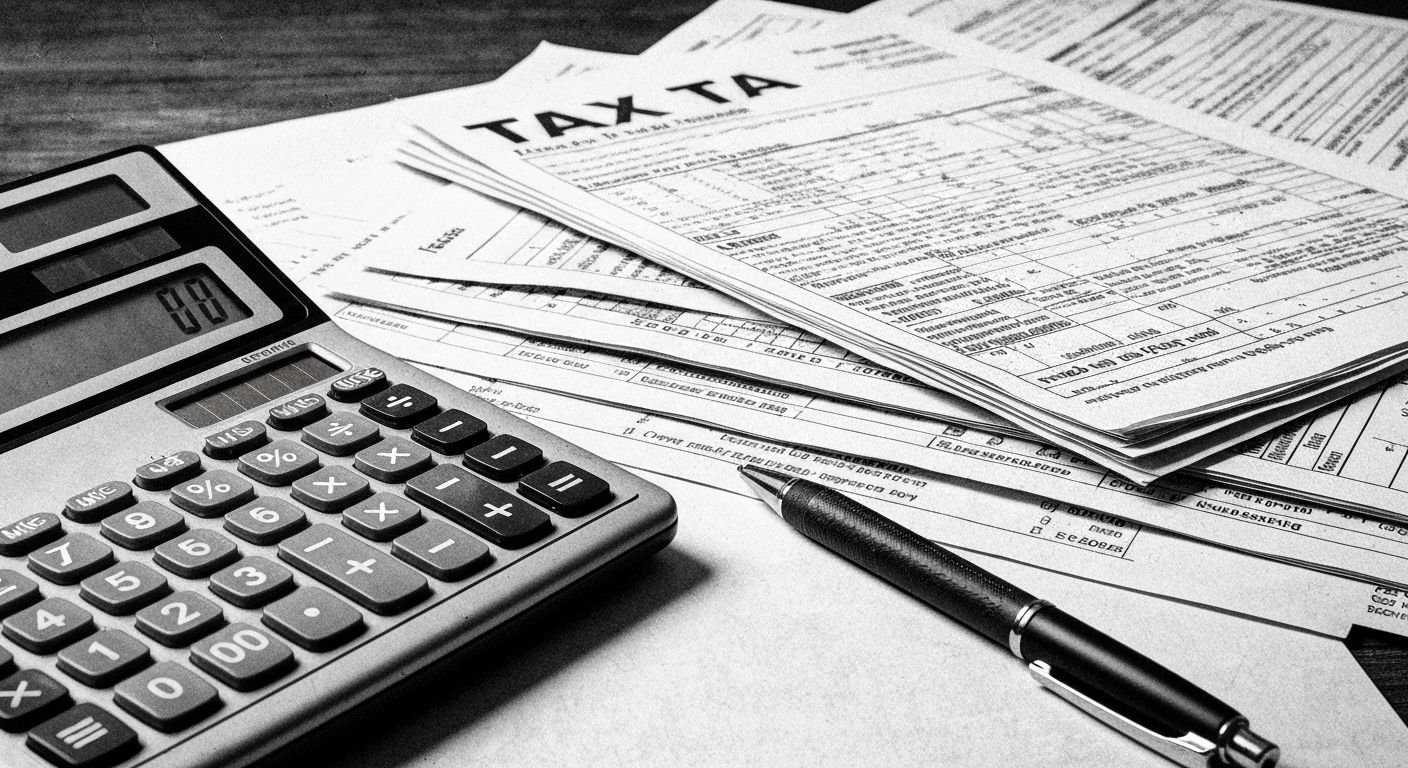
Fed Keeps Rates Unchanged Despite Slowing Economy
Central bank faces criticism for failing to cut rates amid signs of economic slowdown
Mar. 19, 2026 at 9:38am
Got story updates? Submit your updates here. ›
The Federal Reserve has left its target interest rate range unchanged at 3.5% to 3.75%, despite growing concerns about a slowing economy. The decision has drawn criticism from some analysts who argue the Fed is still fighting past inflation while ignoring the current economic conditions.
Why it matters
The Fed's decision to keep rates steady could further dampen economic growth, as higher borrowing costs impact sectors like housing and business expansion. Critics say the central bank is prioritizing its anti-inflation credentials over supporting the economy.
The details
The Federal Open Market Committee decided not to change the target range for the federal funds rate or the rate paid on bank reserves. This comes as economic data shows signs of a slowdown, with February payrolls falling by 92,000 and fourth-quarter 2025 GDP revised down to a 0.7% annual rate. Fed Chair Jerome Powell acknowledged the weakness in housing and job gains, but said the current policy stance is 'appropriate'.
- The Federal Open Market Committee meeting was held on March 18, 2026.
- February 2026 payrolls fell by 92,000.
- Fourth-quarter 2025 GDP was revised down to a 0.7% annual rate.
What they’re saying
“The Fed mistakenly believes prosperity causes inflation. By those misguided lights, our central bank should be cutting rates.”
— Steve Forbes, Chairman and Editor-in-Chief of Forbes Media
“Monetary policy cannot prevent wars, but it can certainly make an already slowing economy weaker by keeping the price credit too high for too long.”
— Steve Forbes, Chairman and Editor-in-Chief of Forbes Media
What’s next
The Fed's next policy meeting is scheduled for April 2026, where it will have another opportunity to adjust interest rates.
The takeaway
The Fed's decision to maintain its current policy stance despite signs of economic slowdown has drawn criticism from some analysts who argue the central bank is prioritizing its inflation-fighting credentials over supporting growth. The move could further dampen economic activity in credit-sensitive sectors.
Washington top stories


Washington events
Apr. 8, 2026
The Wiz (Touring)
Apr. 8, 2026
Cardi B - Little Miss Drama Tour
Apr. 9, 2026
Wizards v Bulls