- Today
- Holidays
- Birthdays
- Reminders
- Cities
- Atlanta
- Austin
- Baltimore
- Berwyn
- Beverly Hills
- Birmingham
- Boston
- Brooklyn
- Buffalo
- Charlotte
- Chicago
- Cincinnati
- Cleveland
- Columbus
- Dallas
- Denver
- Detroit
- Fort Worth
- Houston
- Indianapolis
- Knoxville
- Las Vegas
- Los Angeles
- Louisville
- Madison
- Memphis
- Miami
- Milwaukee
- Minneapolis
- Nashville
- New Orleans
- New York
- Omaha
- Orlando
- Philadelphia
- Phoenix
- Pittsburgh
- Portland
- Raleigh
- Richmond
- Rutherford
- Sacramento
- Salt Lake City
- San Antonio
- San Diego
- San Francisco
- San Jose
- Seattle
- Tampa
- Tucson
- Washington
DOJ Drops Case Against Veteran Arrested for Burning American Flag Near White House
Prosecutors sought to dismiss charges against Jan Carey after a judge said he was entitled to further inquiry into whether the administration was vindictively prosecuting him.
Mar. 14, 2026 at 2:48am
Got story updates? Submit your updates here. ›
The Justice Department has moved to dismiss charges against a veteran who set an American flag on fire across the street from the White House following an executive order by President Trump seeking to crack down on flag burning. Jan "Jay" Carey was arrested by U.S. Park Police in August 2026 after he set the flag ablaze in Lafayette Square on the same day Trump signed the order. Carey pleaded not guilty to two misdemeanors, but was not charged with flag burning itself. A federal judge had previously ruled that Carey was entitled to further inquiry into whether the prosecution was driven by Trump's executive order, which directed the Attorney General to "vigorously prosecute" flag burning.
Why it matters
This case highlights the ongoing tensions between free speech protections and efforts to criminalize flag burning, which the Supreme Court has ruled is a constitutionally protected form of protest. The decision to drop the charges against Carey is seen as a victory for the First Amendment rights of those who wish to express political dissent through flag burning, even in the face of executive orders aimed at cracking down on the practice.
The details
Carey was arrested by U.S. Park Police in August 2026 after he set an American flag on fire in Lafayette Square, across the street from the White House. He was charged with two misdemeanors - igniting a fire in an undesignated area and lighting a fire causing damage to property or park resources. However, Carey was not charged with flag burning itself. In January 2027, a federal judge ruled that Carey was entitled to further inquiry into whether the prosecution was driven by Trump's executive order, which directed the Attorney General to "vigorously prosecute" people who burn the American flag while engaged in other offenses. The Justice Department has now moved to dismiss the charges against Carey, a decision his lawyer called "long overdue" and a "very significant victory" for his First Amendment rights.
- Carey was arrested by U.S. Park Police in August 2026.
- Carey pleaded not guilty to the charges in August 2026.
- A federal judge ruled in January 2027 that Carey was entitled to further inquiry into the prosecution.
- The Justice Department moved to dismiss the charges against Carey in March 2027.
The players
Jan "Jay" Carey
A veteran who was arrested for setting an American flag on fire across the street from the White House in 2026.
Jeanine Pirro
The U.S. Attorney for the District of Columbia who brought the charges against Carey.
Pam Bondi
The Attorney General who was directed by President Trump's executive order to "vigorously prosecute" people who burn the American flag.
James Boasberg
The federal judge who ruled that Carey was entitled to further inquiry into whether the prosecution was driven by Trump's executive order.
Mara Verheyden-Hilliard
The lawyer representing Carey, who called the Justice Department's decision to drop the charges "long overdue" and a "very significant victory" for his client's First Amendment rights.
What they’re saying
“This is a very significant victory for not only the First Amendment rights of Mr. Carey but the rights of all Americans to stand up and speak out on issues that they care about without being targeted for punishment by the Justice Department.”
— Mara Verheyden-Hilliard, Carey's lawyer (NBC News)
“This was a direct protest about an illegal order that President Trump tried to put in place. I did not do this just for myself, but for everyone who believes in the Constitution and the protections for all that it provides.”
— Jan "Jay" Carey (The Bulwark)
What’s next
The timing of the Justice Department's decision to drop the charges against Carey comes ahead of a Monday deadline in the case, when the government would have been required to provide more information about its internal decision-making process and any directives related to Trump's executive order.
The takeaway
This case highlights the ongoing tensions between free speech protections and efforts to criminalize flag burning, which the Supreme Court has ruled is a constitutionally protected form of protest. The decision to drop the charges against Carey is seen as a victory for the First Amendment rights of those who wish to express political dissent, even in the face of executive orders aimed at cracking down on the practice.
Washington top stories


Washington events
Mar. 14, 2026
Washington Capitals VIP Tickets: 03/14/26
Mar. 14, 2026
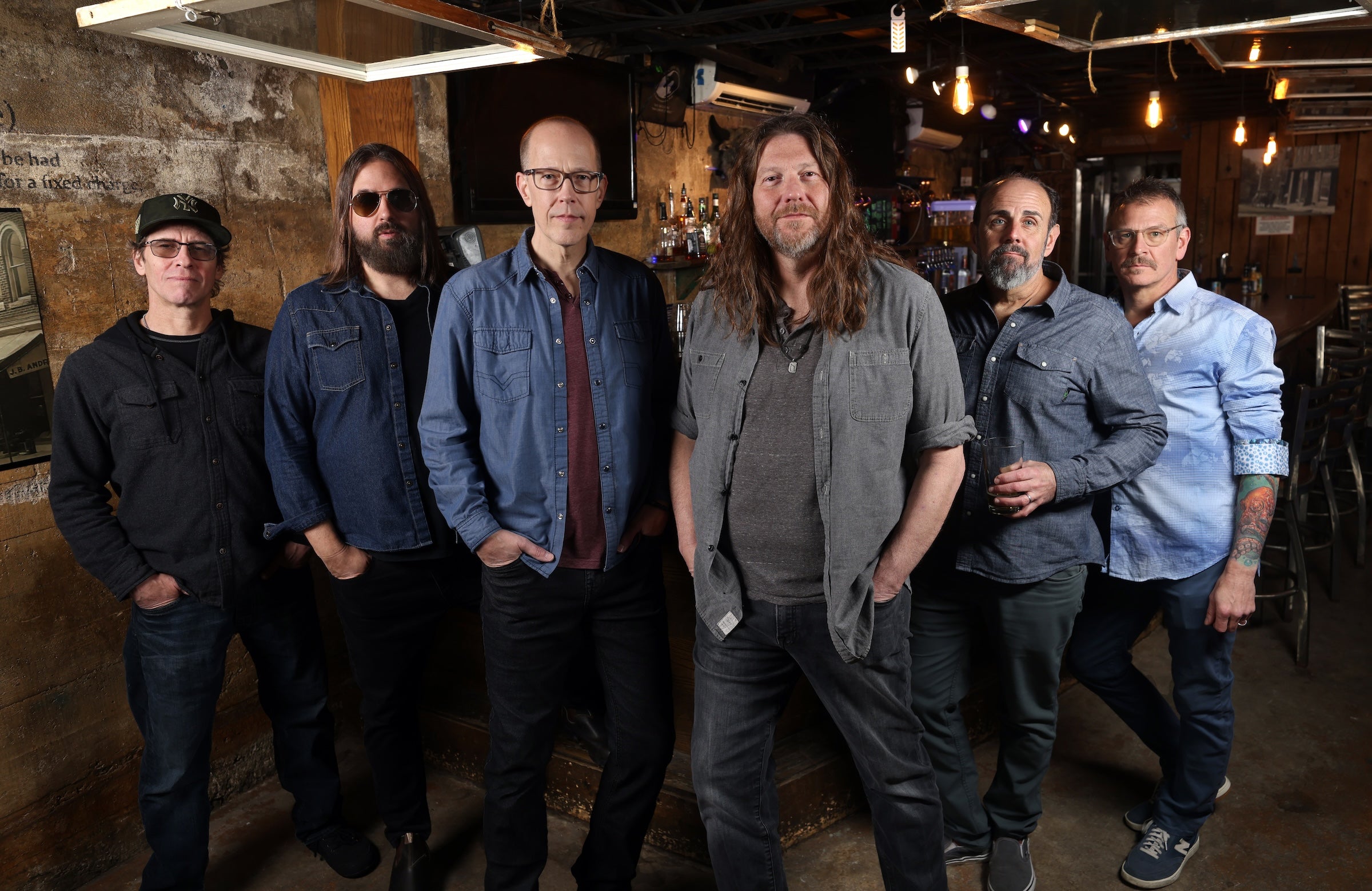
moe.