- Today
- Holidays
- Birthdays
- Reminders
- Cities
- Atlanta
- Austin
- Baltimore
- Berwyn
- Beverly Hills
- Birmingham
- Boston
- Brooklyn
- Buffalo
- Charlotte
- Chicago
- Cincinnati
- Cleveland
- Columbus
- Dallas
- Denver
- Detroit
- Fort Worth
- Houston
- Indianapolis
- Knoxville
- Las Vegas
- Los Angeles
- Louisville
- Madison
- Memphis
- Miami
- Milwaukee
- Minneapolis
- Nashville
- New Orleans
- New York
- Omaha
- Orlando
- Philadelphia
- Phoenix
- Pittsburgh
- Portland
- Raleigh
- Richmond
- Rutherford
- Sacramento
- Salt Lake City
- San Antonio
- San Diego
- San Francisco
- San Jose
- Seattle
- Tampa
- Tucson
- Washington
OpenAI Secures Pentagon Contract Amid Concerns Over Surveillance and Autonomous Weapons
OpenAI claims it has strict safeguards, but critics say the company is asking the public to trust the government's word.
Mar. 8, 2026 at 11:10am
Got story updates? Submit your updates here. ›
OpenAI has announced a new contract with the Pentagon, claiming it has secured prohibitions on domestic mass surveillance and the use of AI for autonomous weapons. However, the company has faced criticism for not releasing the full contract details, leading to concerns that the language may contain loopholes that could allow for abuse. Former government officials have expressed doubts about OpenAI's ability to enforce its principles against a powerful military bureaucracy.
Why it matters
This deal raises significant concerns about the potential for AI technology to be misused for surveillance and autonomous killings, even with OpenAI's stated principles. The lack of transparency around the contract terms makes it difficult for the public to verify OpenAI's claims, raising questions about the company's commitment to ethical AI development.
The details
OpenAI CEO Sam Altman announced the Pentagon contract, claiming the company has secured prohibitions on domestic mass surveillance and the use of AI for autonomous weapons. However, the full contract has not been released, leading to criticism from former government officials and legal experts. They argue that the language used by OpenAI, such as prohibiting "intentional" surveillance, provides loopholes that could allow for abuse. The company has also faced accusations of making false statements in the past, further undermining trust in its claims.
- On February 27, 2026, OpenAI CEO Sam Altman announced the company's new Pentagon contract.
- In the days following the announcement, OpenAI has attempted to clarify the contract terms through a series of posts on X (formerly Twitter).
The players
OpenAI
An artificial intelligence research company that has secured a contract with the Pentagon, claiming to have strict safeguards against domestic surveillance and autonomous weapons.
Sam Altman
The CEO of OpenAI, who has been making public statements about the company's Pentagon contract and the alleged protections it includes.
Katrina Mulligan
The national security chief at OpenAI, who has responded to criticism of the company's contract with the Pentagon.
Donald Trump
The former President of the United States, who has been involved in the decision-making process around the Pentagon's use of AI technology.
Pete Hegseth
The current Secretary of Defense, who will have ultimate authority over how the Pentagon makes use of OpenAI's contract, according to the company.
What they’re saying
“There is nothing OpenAI can do to clarify this except release the contract.”
— Alan Rozenshtein, Former Department of Justice National Security Division attorney
“It's quite possible that OpenAI understands that these red lines are fake, but has written a contract to give them some PR coverage. That would be bad because that feels pretty dishonest.”
— Alan Rozenshtein, Former Department of Justice National Security Division attorney
“If you trust the cabal of Sam Altman, Donald Trump, and Pete Hegseth, there's nothing I can do for you.”
— Anonymous, Former Pentagon official
What’s next
The judge overseeing the ongoing lawsuit between Elon Musk and OpenAI is expected to rule on the case in the coming weeks, which could provide further insight into Sam Altman's integrity and OpenAI's past actions.
The takeaway
This deal highlights the ongoing tension between the promise of advanced AI technology and the potential for misuse, especially when it comes to issues of surveillance and autonomous weapons. Without full transparency from OpenAI and the Pentagon, the public is left to trust the word of a company and government officials with questionable track records, raising serious concerns about the ethical development and deployment of AI.
Washington top stories



Washington events
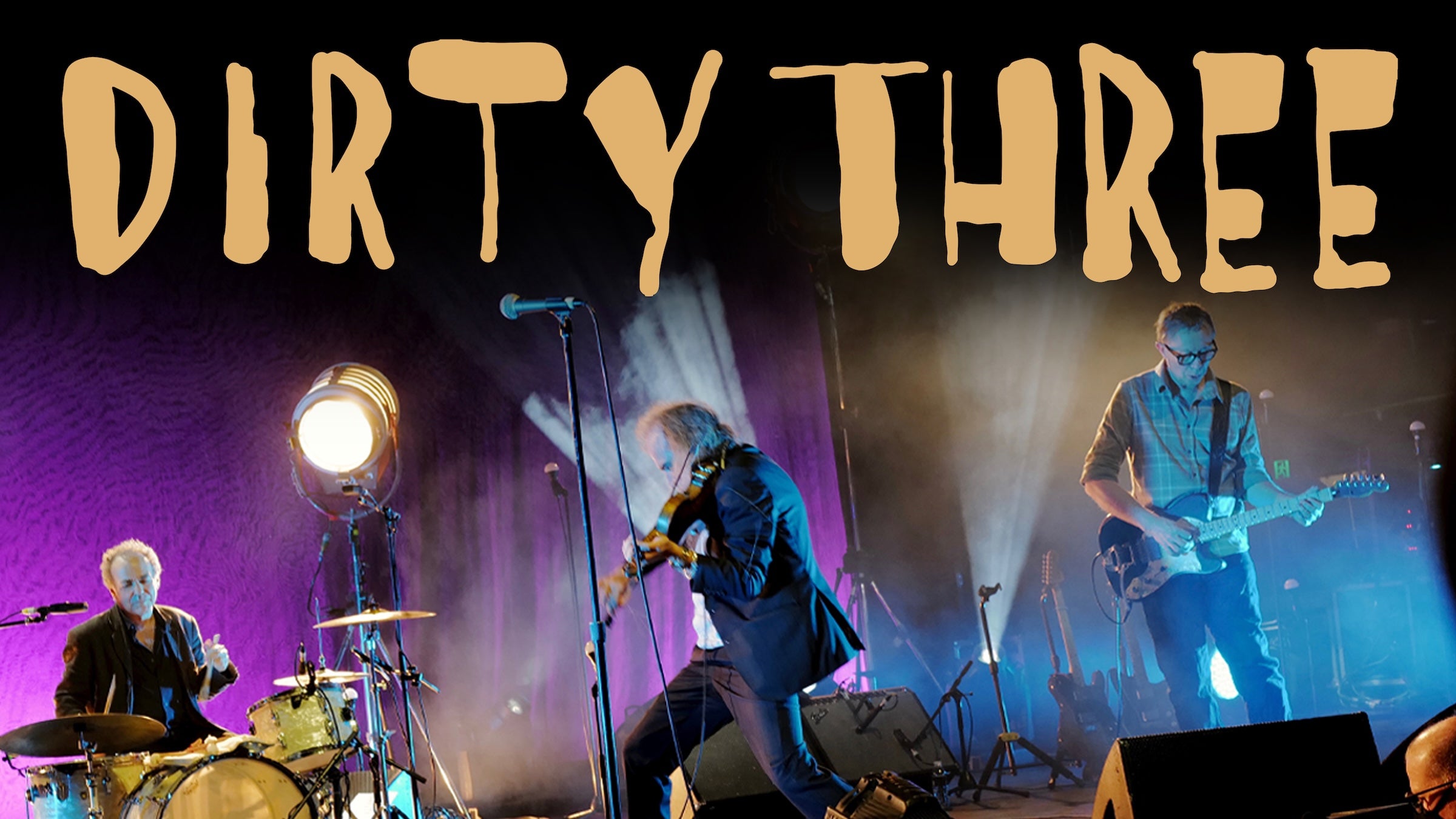
Mar. 30, 2026
Dirty Three
Mar. 30, 2026
The Dollop - The Dollop Podcast Live
Mar. 31, 2026
Disney's Beauty and the Beast (Touring)