- Today
- Holidays
- Birthdays
- Reminders
- Cities
- Atlanta
- Austin
- Baltimore
- Berwyn
- Beverly Hills
- Birmingham
- Boston
- Brooklyn
- Buffalo
- Charlotte
- Chicago
- Cincinnati
- Cleveland
- Columbus
- Dallas
- Denver
- Detroit
- Fort Worth
- Houston
- Indianapolis
- Knoxville
- Las Vegas
- Los Angeles
- Louisville
- Madison
- Memphis
- Miami
- Milwaukee
- Minneapolis
- Nashville
- New Orleans
- New York
- Omaha
- Orlando
- Philadelphia
- Phoenix
- Pittsburgh
- Portland
- Raleigh
- Richmond
- Rutherford
- Sacramento
- Salt Lake City
- San Antonio
- San Diego
- San Francisco
- San Jose
- Seattle
- Tampa
- Tucson
- Washington
White House Criticized for Using 'Tropic Thunder' Clip in 'Propaganda' Video
Actor Ben Stiller demands the clip be removed, saying the film's creators never gave permission to be part of the administration's 'propaganda machine'.
Mar. 7, 2026 at 9:28am
Got story updates? Submit your updates here. ›
Actor and filmmaker Ben Stiller has criticized the White House after a clip from his 2008 satirical action-comedy 'Tropic Thunder' was used in a pro-military montage video shared online. Stiller demanded the clip be removed, stating that neither he nor the film's creators had authorized its use, and that 'war is not a movie'.
Why it matters
The controversy highlights concerns about the White House's use of entertainment media for perceived political purposes, as well as the potential for unauthorized use of copyrighted material in government propaganda videos.
The details
The 42-second video posted by the White House combines drone footage of recent military strikes carried out by the United States and Israel against Iran with scenes from popular films, television shows and video games. The montage concludes with branding associated with the administration of US President Donald Trump alongside the caption 'JUSTICE THE AMERICAN WAY.' Among the entertainment clips featured in the video is a brief shot of actor Tom Cruise's flamboyant studio executive character, Less Grossman, dancing at the end of 'Tropic Thunder'.
- The White House posted the video on March 7, 2026.
The players
Ben Stiller
An actor and filmmaker who directed the 2008 satirical action-comedy 'Tropic Thunder'.
Donald Trump
The President of the United States at the time the White House posted the video.
What they’re saying
“Hey White House, please remove the Tropic Thunder clip. We never gave you permission and have no interest in being a part of your propaganda machine. War is not a movie.”
— Ben Stiller
What’s next
It is unclear if the White House will remove the 'Tropic Thunder' clip from the video as requested by Ben Stiller.
The takeaway
This incident highlights the ongoing tensions between the entertainment industry and the government over the use of copyrighted material in political messaging and propaganda. It also raises questions about the appropriate boundaries for the White House's use of popular culture in its communications.
Washington top stories



Washington events
Mar. 30, 2026
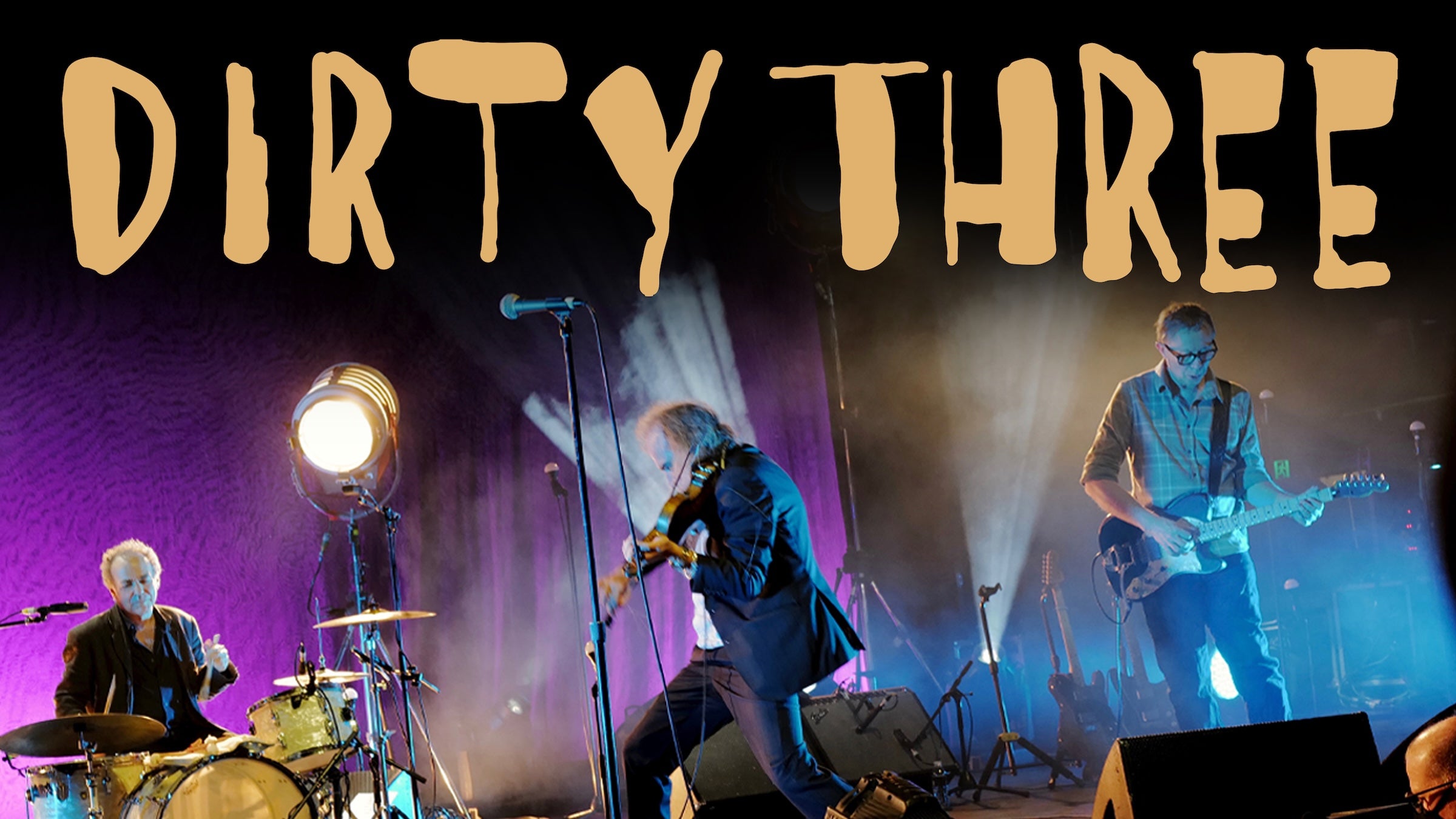
Dirty Three
Mar. 30, 2026
The Dollop - The Dollop Podcast Live
Mar. 31, 2026
Disney's Beauty and the Beast (Touring)