- Today
- Holidays
- Birthdays
- Reminders
- Cities
- Atlanta
- Austin
- Baltimore
- Berwyn
- Beverly Hills
- Birmingham
- Boston
- Brooklyn
- Buffalo
- Charlotte
- Chicago
- Cincinnati
- Cleveland
- Columbus
- Dallas
- Denver
- Detroit
- Fort Worth
- Houston
- Indianapolis
- Knoxville
- Las Vegas
- Los Angeles
- Louisville
- Madison
- Memphis
- Miami
- Milwaukee
- Minneapolis
- Nashville
- New Orleans
- New York
- Omaha
- Orlando
- Philadelphia
- Phoenix
- Pittsburgh
- Portland
- Raleigh
- Richmond
- Rutherford
- Sacramento
- Salt Lake City
- San Antonio
- San Diego
- San Francisco
- San Jose
- Seattle
- Tampa
- Tucson
- Washington
Revolutionary Imaging Tech Breaks Optical Rules
MASI system captures high-res images without bulky lenses or precise alignment
Apr. 10, 2026 at 7:44am
Got story updates? Submit your updates here. ›
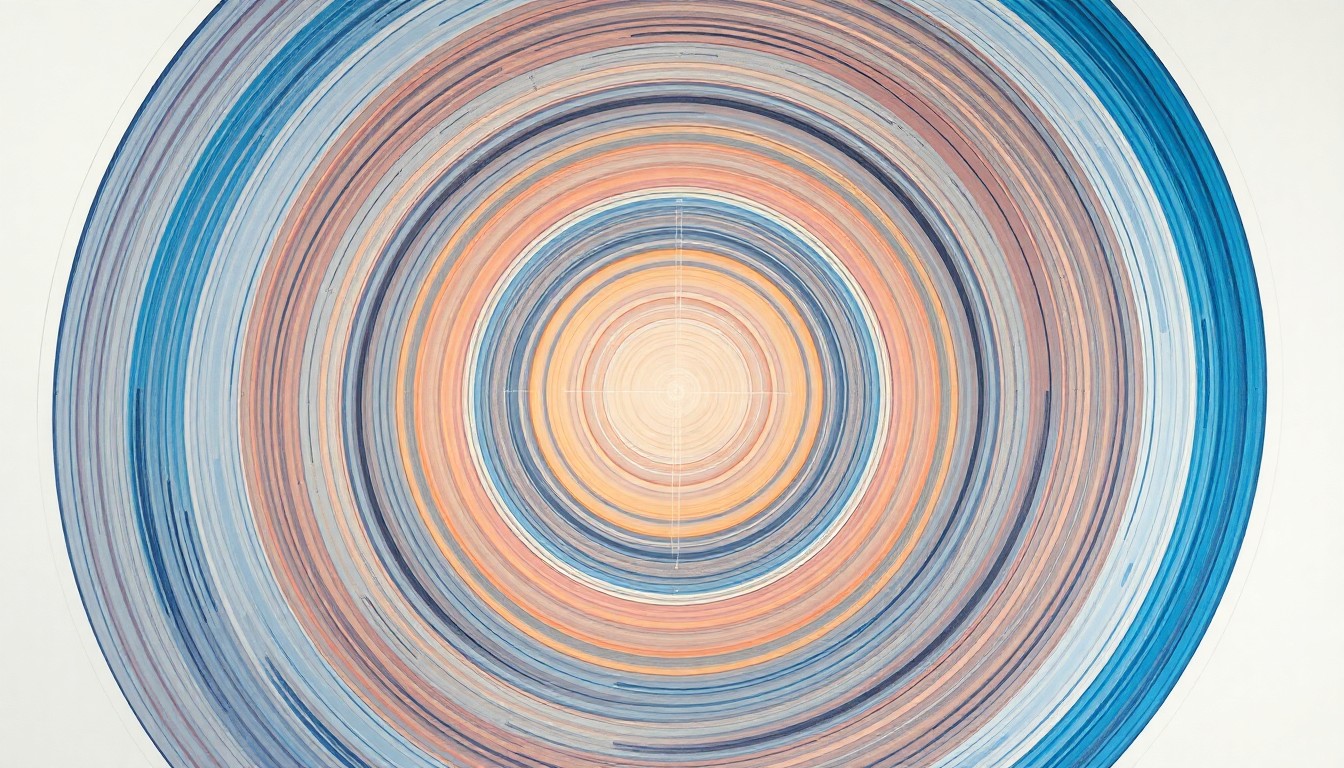 The MASI imaging system's innovative lens-free, software-driven approach promises to unlock new frontiers in high-resolution, wide-area optical imaging.Storrs Today
Researchers at the University of Connecticut have developed a groundbreaking imaging technology called MASI that can capture incredibly detailed images over a wide area without relying on traditional lenses or painstaking physical alignment. The MASI system uses an array of coded sensors to record light wave data, which is then computationally reconstructed into high-resolution images - a process that eliminates the trade-offs inherent in conventional optics.
Why it matters
MASI's lens-free, software-driven approach could revolutionize fields from medicine and forensics to industrial inspection and remote sensing by offering unparalleled image quality and scalability. While some argue the heavy reliance on algorithms raises concerns, the technology's potential to enable new applications that were previously thought impossible is undeniable.
The details
The Multiscale Aperture Synthesis Imager (MASI) was developed by a team led by Guoan Zheng, a biomedical engineering professor at the University of Connecticut. Instead of using physical lenses and precise alignment, MASI relies on an array of coded sensors that independently record light wave data, which is then computationally stitched together. This allows MASI to capture sub-micron resolution images over a wide field of view, without the limitations of traditional optics.
- The MASI technology was unveiled in a study published in Nature Communications in April 2026.
The players
Guoan Zheng
A biomedical engineering professor at the University of Connecticut who led the team that developed the MASI imaging technology.
University of Connecticut
The institution where the MASI technology was developed by Guoan Zheng and his research team.
What’s next
The MASI technology is still in the research and development phase, but its potential applications across various industries are expected to drive further advancements and commercialization efforts in the coming years.
The takeaway
The MASI imaging system developed at the University of Connecticut represents a major breakthrough in optical imaging, challenging traditional approaches and opening up new possibilities for high-resolution, wide-area imaging without the limitations of bulky lenses and precise physical alignment. While the heavy reliance on computational algorithms raises some concerns, the technology's scalability and flexibility could lead to transformative applications in fields ranging from medicine to astronomy.