- Today
- Holidays
- Birthdays
- Reminders
- Cities
- Atlanta
- Austin
- Baltimore
- Berwyn
- Beverly Hills
- Birmingham
- Boston
- Brooklyn
- Buffalo
- Charlotte
- Chicago
- Cincinnati
- Cleveland
- Columbus
- Dallas
- Denver
- Detroit
- Fort Worth
- Houston
- Indianapolis
- Knoxville
- Las Vegas
- Los Angeles
- Louisville
- Madison
- Memphis
- Miami
- Milwaukee
- Minneapolis
- Nashville
- New Orleans
- New York
- Omaha
- Orlando
- Philadelphia
- Phoenix
- Pittsburgh
- Portland
- Raleigh
- Richmond
- Rutherford
- Sacramento
- Salt Lake City
- San Antonio
- San Diego
- San Francisco
- San Jose
- Seattle
- Tampa
- Tucson
- Washington
Yale Researchers Discover Potential Autism Treatment in Existing Drug
Levocarnitine, typically used for low carnitine levels, shows promise in restoring function in zebrafish with autism-related genetic mutations.
Apr. 11, 2026 at 1:29am
Got story updates? Submit your updates here. ›
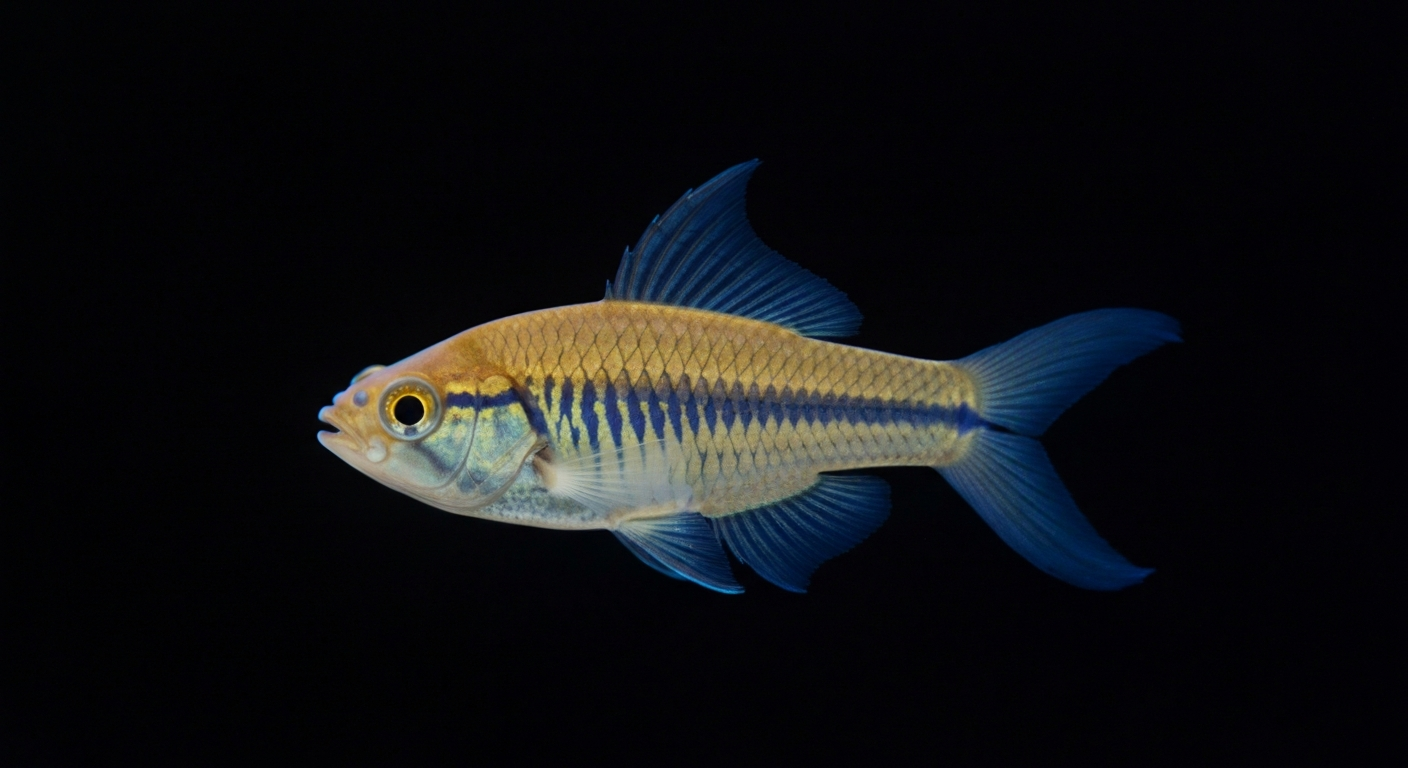 Zebrafish, the unlikely heroes in the search for new autism treatments, are illuminated in a vibrant neon outline that symbolizes the promise of repurposed drugs.New Haven Today
Researchers at Yale University have made a breakthrough discovery in the search for autism spectrum disorder (ASD) treatments. By screening 774 FDA-approved drugs on genetically modified zebrafish, the team found that the drug levocarnitine, commonly used for low carnitine levels, was able to restore more normal function in zebrafish carrying mutations in autism-related genes SCN2A and DYRK1A.
Why it matters
This discovery highlights the potential of repurposing existing drugs for new therapeutic uses, as well as the importance of precision medicine in autism treatment. While the mutations targeted by levocarnitine are relatively rare in the ASD population, the study underscores the need to explore the genetic diversity of autism and develop tailored therapies.
The details
The Yale team's open-source drug database provides a valuable roadmap for future research, allowing scientists to explore the potential of various drugs on different autism-related genes. This approach is crucial given the complexity of autism, where each individual presents a unique set of symptoms and challenges.
- The study was published on April 11, 2026.
The players
Yale University
A prestigious research institution where the study on levocarnitine and autism was conducted.
Levocarnitine
An FDA-approved drug typically used for treating low carnitine levels, which showed promising effects in restoring function in zebrafish with autism-related genetic mutations.
SCN2A and DYRK1A
Autism-related genes that were the focus of the study, with mutations in these genes being targeted by the levocarnitine drug.
What’s next
The researchers plan to further investigate the potential of levocarnitine in treating autism, focusing on the specific genetic mutations that respond to the drug. This could lead to the development of targeted therapies for a subset of individuals with ASD.
The takeaway
This study represents a significant step forward in the quest for personalized autism treatments. By leveraging the power of zebrafish research and exploring the repurposing of existing drugs, the Yale team has opened up new avenues for exploration and provided hope for the autism community.
New Haven top stories


New Haven events

Apr. 17, 2026
The Last Dinner Party