- Today
- Holidays
- Birthdays
- Reminders
- Cities
- Atlanta
- Austin
- Baltimore
- Berwyn
- Beverly Hills
- Birmingham
- Boston
- Brooklyn
- Buffalo
- Charlotte
- Chicago
- Cincinnati
- Cleveland
- Columbus
- Dallas
- Denver
- Detroit
- Fort Worth
- Houston
- Indianapolis
- Knoxville
- Las Vegas
- Los Angeles
- Louisville
- Madison
- Memphis
- Miami
- Milwaukee
- Minneapolis
- Nashville
- New Orleans
- New York
- Omaha
- Orlando
- Philadelphia
- Phoenix
- Pittsburgh
- Portland
- Raleigh
- Richmond
- Rutherford
- Sacramento
- Salt Lake City
- San Antonio
- San Diego
- San Francisco
- San Jose
- Seattle
- Tampa
- Tucson
- Washington
Burnt Food Risks: Cancer, Digestion Issues, and How to Avoid Them
Experts explain the health hazards of overcooked and charred meals, and offer tips to prevent them.
Apr. 11, 2026 at 5:41pm
Got story updates? Submit your updates here. ›
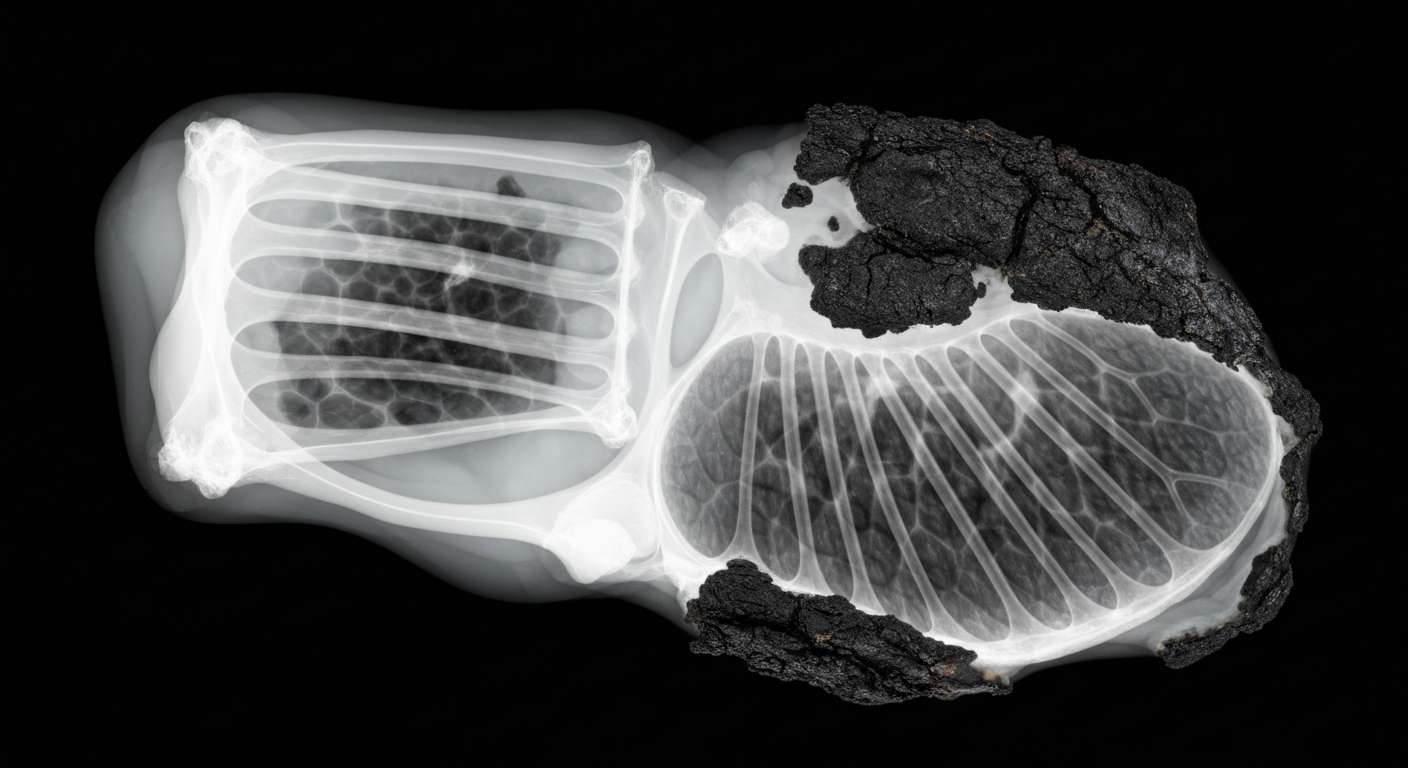 An X-ray view exposes the hidden chemical hazards lurking in overcooked, charred food.Hartford Today
Burning food, especially meats, can result in the formation of carcinogens like polycyclic aromatic hydrocarbons (PAHs) and heterocyclic amines (HCAs) that have been linked to cancer in lab studies. Overcooking starchy foods like bread and potatoes also generates acrylamide, another known carcinogen. Beyond cancer risks, burnt food can be hard to digest and irritate the stomach lining, potentially causing discomfort or acid reflux. Registered dietitian Erin Queno offers tips to prevent dinner from going up in flames, like cooking to a light brown, trimming burnt parts, using leaner meats, and adjusting cooking methods.
Why it matters
Consuming burnt or charred food on a regular basis may increase the risk of certain cancers and digestive issues. Understanding the potential health hazards and taking steps to avoid overcooking can help people maintain a balanced, nutritious diet.
The details
Burning or over-browning food at high temperatures can produce carcinogenic compounds like polycyclic aromatic hydrocarbons (PAHs) and heterocyclic amines (HCAs). PAHs form when fat and juices from meat drip onto open flames, while HCAs result from a reaction between amino acids, creatine, and sugars in muscle meats. Burning starchy foods like bread and potatoes also generates acrylamide, another well-established carcinogen in animal studies. While the human cancer risks from dietary intake of these compounds are still unclear, some research suggests they may be linked to colon and breast cancer. Beyond cancer concerns, burnt food can be difficult to digest and irritate the stomach lining, potentially causing discomfort or acid reflux. Overcooking can also break down beneficial, heat-sensitive nutrients like vitamins B and C and antioxidants.
- Cooking food at temperatures above 300 degrees Fahrenheit can produce carcinogenic compounds.
The players
Christine B. Ambrosone
The Jayne and Phil Hubbell Family Endowed Chair in Cancer Prevention at the Roswell Park Comprehensive Cancer Center.
Erin Queno
A registered dietitian at the Hartford HealthCare Digestive Health Institute in Connecticut.
What they’re saying
“Burning food, especially meats, can result in the formation of carcinogens, chemicals that have been shown in laboratory studies to cause cancer.”
— Christine B. Ambrosone, The Jayne and Phil Hubbell Family Endowed Chair in Cancer Prevention at the Roswell Park Comprehensive Cancer Center
“Aim for a light brown, not black.”
— Erin Queno, Registered dietitian
What’s next
Experts recommend adjusting cooking methods, such as using lower temperatures and shorter cooking times, as well as trying boiling or steaming to avoid the formation of carcinogenic compounds in burnt food.
The takeaway
While occasional consumption of burnt food is likely not a major health concern, habitually eating charred or overcooked meals may increase the risk of certain cancers and digestive issues. Taking steps to prevent overcooking, such as monitoring cooking times and temperatures, can help people maintain a balanced, nutritious diet.
Hartford top stories


Hartford events

Apr. 11, 2026
Beauty And The Beast (Touring)
Apr. 11, 2026
Beauty And The Beast (Touring)
Apr. 12, 2026
Beauty And The Beast (Touring)