- Today
- Holidays
- Birthdays
- Reminders
- Cities
- Atlanta
- Austin
- Baltimore
- Berwyn
- Beverly Hills
- Birmingham
- Boston
- Brooklyn
- Buffalo
- Charlotte
- Chicago
- Cincinnati
- Cleveland
- Columbus
- Dallas
- Denver
- Detroit
- Fort Worth
- Houston
- Indianapolis
- Knoxville
- Las Vegas
- Los Angeles
- Louisville
- Madison
- Memphis
- Miami
- Milwaukee
- Minneapolis
- Nashville
- New Orleans
- New York
- Omaha
- Orlando
- Philadelphia
- Phoenix
- Pittsburgh
- Portland
- Raleigh
- Richmond
- Rutherford
- Sacramento
- Salt Lake City
- San Antonio
- San Diego
- San Francisco
- San Jose
- Seattle
- Tampa
- Tucson
- Washington
Highlands Ranch Today
By the People, for the People
Buyers Struggle as New Car Prices Approach $50K
Consumers face sticker shock as automakers focus on larger, more expensive models
Apr. 11, 2026 at 2:39pm
Got story updates? Submit your updates here. ›
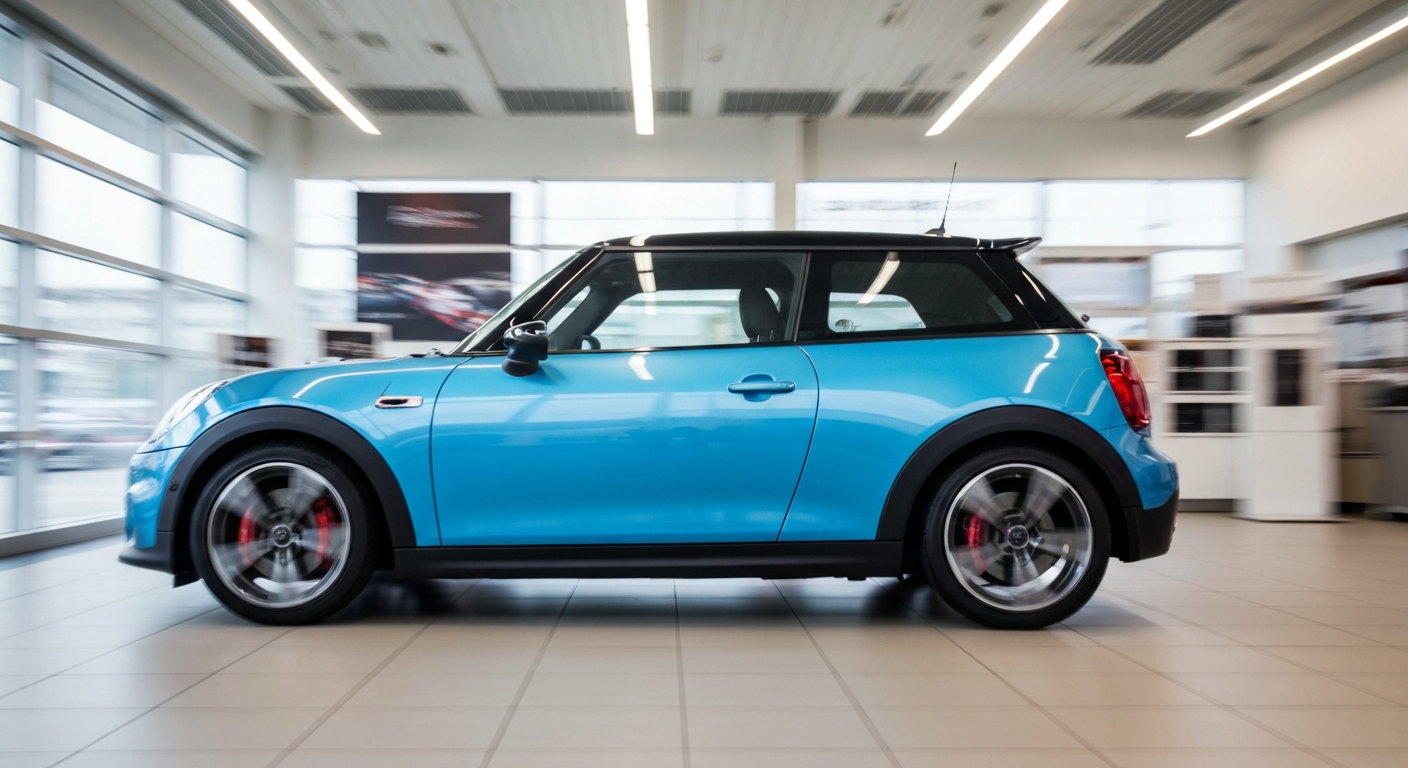 As new car prices soar, consumers struggle to find affordable transportation options that meet their needs.Highlands Ranch Today
As the average cost of a new car nears $50,000, up 30% in six years, buyers are finding it increasingly difficult to afford transportation. Automakers have shifted production to focus on larger, more profitable SUVs and pickups, phasing out smaller, cheaper sedans. Advanced safety features, supply chain issues, and other factors have all contributed to rising prices, leaving many consumers, especially young people, feeling priced out of the new car market.
Why it matters
The rising cost of new cars is part of a broader affordability crisis affecting many aspects of American life, from housing to childcare. This trend is a political vulnerability for Republicans ahead of the midterm elections, as high inflation and gas prices add to consumer frustrations.
The details
Sticker prices have been rising as automakers cater to customer demand for larger, more expensive vehicles that bring higher profits. They have largely phased out smaller, cheaper sedans. Advanced safety technology, supply chain disruptions, and other factors have also driven up costs. The share of new car buyers earning below $100,000 fell from 50% in 2020 to 37% last year.
- Consumer prices rose 3.3% in March, the biggest yearly increase since May 2024.
- New car prices were up 12.6% from a year ago, according to the Labor Department.
- The share of vehicles listing for less than $30,000 is about 13% — down from 40% five years ago.
The players
Dana Eble
A 30-year-old account manager for a public relations agency who is looking to buy a second car with her husband.
Tyler Marcus
Eble's 31-year-old husband, who is also looking to buy a second car with his wife.
Charlie Chesbrough
A senior economist at Cox Automotive who says consumers are sometimes unrealistic in their vehicle expectations.
Sam Dykhuis
A 27-year-old Chicago resident who recently bought a used 2021 Mazda CX-5 for a little over $20,000 to avoid a big monthly payment.
What they’re saying
“I just keep seeing a lot of different aspects of life getting more expensive, and it's harder.”
— Dana Eble, Account Manager
“The ability to buy transportation is still out there. The question is just, what do you get for your money?”
— Charlie Chesbrough, Senior Economist
“My paycheck went down and my expenses went up. Certainly, I have to be more just on top of it than I was previously.”
— Sam Dykhuis
What’s next
Experts suggest that consumers may need to adjust their expectations, consider used or electric vehicles, or explore leasing options to find more affordable transportation in the current market.
The takeaway
The rising cost of new cars is part of a broader affordability crisis affecting many aspects of American life, putting financial strain on consumers, especially young people, and creating a political vulnerability for Republicans ahead of the midterm elections.